
Beautiful Plants For Your Interior
Beautiful Plants For Your Interior
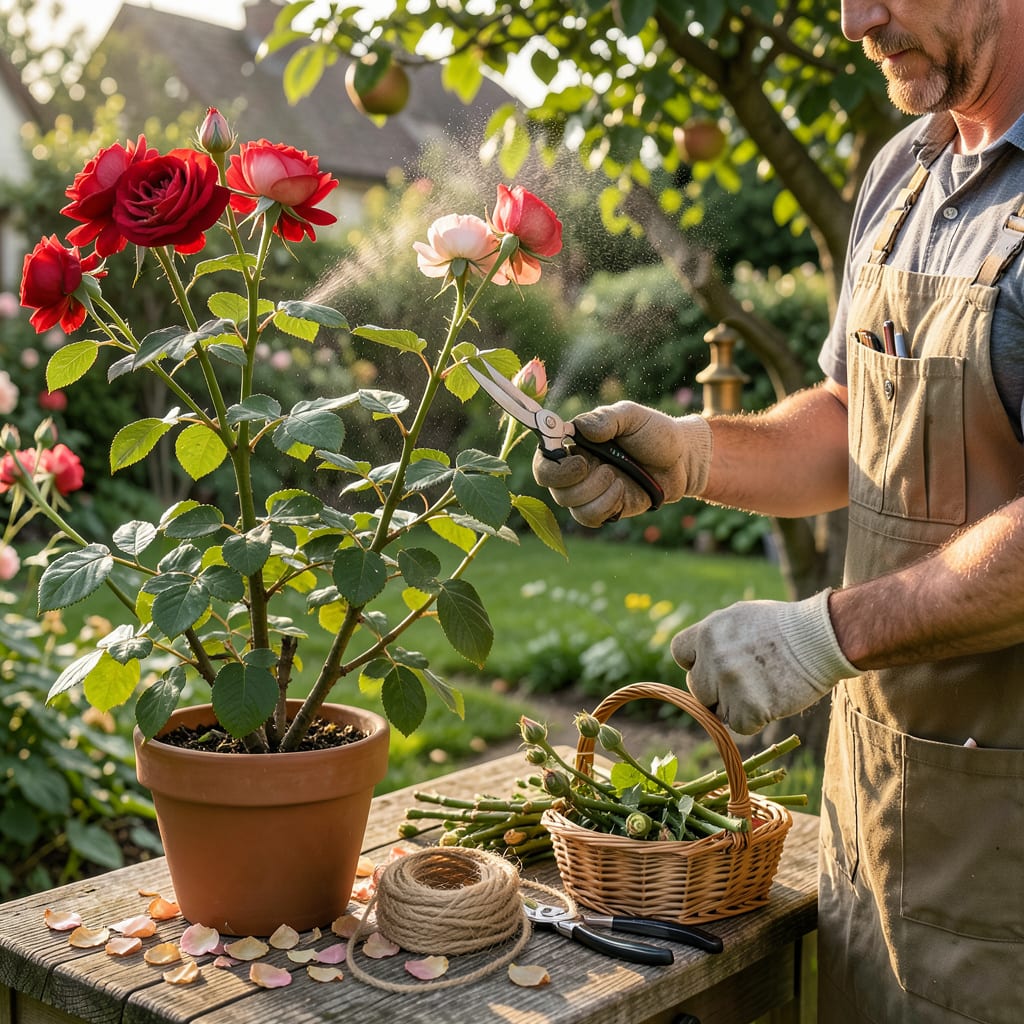
I used to avoid pruning roses like it was brain surgery—until I realized it’s more like giving your plants a good haircut. ✨ That first time I finally worked up the nerve, my bushes rewarded me with twice as many blooms that season. Pruning isn’t just about shaping; it’s about waking up the plant, directing its energy toward what matters: strong stems and showstopping flowers.
Timing and technique make all the difference. Do it right in late winter (just as buds swell), and you’ll get a bush that’s healthier, fuller, and more floriferous than ever. No fancy tools required—just sharp pruners, a little confidence, and the know-how to spot which branches are helping (or hurting) your roses. Let’s get those plants prepped for their best year yet.
📚 In This Guide
Here’s my foolproof method for shaping roses that’ll reward you with more blooms than ever next season.
Late winter or early spring—just as new growth begins—is ideal for most roses. I wait until I see tiny red buds swelling on the canes but before leaves unfurl. For repeat-blooming varieties, a light summer prune after the first flush works too.
You’ll need sharp bypass pruners (anvil types crush stems), thick gloves to protect against thorns, and rubbing alcohol to disinfect tools between cuts. I keep a small bucket of 10% bleach solution nearby for quick dips—this prevents disease spread between plants.
Start by cutting out any black or brown canes—these are dead and won’t recover. Make clean cuts at a 45-degree angle just above an outward-facing bud. Next, remove thin, weak stems (thinner than a pencil) that won’t support blooms.
Here’s the thing—don’t be shy. I remove about 1/3 of the oldest canes completely at ground level to make room for new growth. You’ll see the difference when vigorous new shoots emerge from the base in spring.
Open up the center by pruning inward-growing branches. Aim for a vase shape that lets air circulate freely—this prevents fungal diseases like black spot. I step back frequently to check my work from different angles.
Cut remaining canes back by 1/3 to 1/2 of their height, always above an outward-facing bud. The ideal cut leaves about 1/4 inch above the bud without damaging it. You’ll notice healthy canes have green centers when you cut them.
Rake up all debris around the base—fallen leaves and cuttings can harbor disease. I spray the plant and surrounding soil with water to wash away any lingering spores. For cuts thicker than your thumb, apply a dab of white glue or pruning sealant to prevent borers.
Real talk: the first time feels scary, but roses are tough. Even if you make a mistake, they’ll grow back. Within 4-6 weeks, you’ll see explosive new growth exactly where you made your cuts—that’s how you know you did it right.
After pruning, water deeply at the base and apply a balanced rose fertilizer. I use about 1 cup per plant, scratched lightly into the soil surface. The combination of pruning and feeding triggers that first spectacular bloom cycle.
Watch for new shoots emerging from the base—these will become your strongest flowering stems. I mark my calendar for 6 weeks later to check for any crossed branches that need adjusting as the new growth develops.
Pruning roses doesn’t have to be intimidating—these practical insights will help you make clean cuts with confidence.
The Right Time Matters: In Step 1, when you see those tiny red buds swelling but before leaves appear, that’s your perfect window. I’ve found this timing gives roses just enough energy to explode with new growth. For repeat bloomers, that summer prune after the first flush (mentioned in Step 1) keeps them producing flowers all season long.
Tool Technique Breakthrough: When making those 45-degree angle cuts in Step 2, rotate your wrist slightly as you snip—this creates a cleaner angle that sheds water better. And don’t underestimate the 10% bleach solution between cuts; I learned the hard way that skipping this once led to black spot spreading through my entire rose garden.
What to Look For: The green centers mentioned in Step 3 are your secret weapon. If you cut into a cane and see brown instead of green, that cane isn’t as healthy as it looks—remove it completely. Also, when leaving that 1/4 inch above the bud, imagine you’re giving the new shoot just enough room to stretch without crowding.
Follow-Up Strategy: That 6-week check in Step 5 isn’t just suggestion—it’s when roses reveal their true response to your pruning. I set a phone reminder because this is when you can catch any crossed branches early and redirect energy to your strongest stems before they get too established.
The ideal time depends on your rose type. For hybrid teas, floribundas, and grandifloras, prune in late winter or early spring (just as new growth starts). Climbing roses should be pruned after their first bloom. Knock Out roses can be lightly pruned in early spring or after each bloom cycle. Avoid pruning in fall—it can stimulate tender new growth that winter may kill.
For most roses, remove ⅓ to ½ of the plant’s height, focusing on dead, diseased, or crossing canes. Leave 3–5 strong, healthy canes (about pencil-thick) with 5–7 outward-facing buds each. Over-pruning weakens the plant, while under-pruning reduces airflow and blooms. Climbing roses need lighter pruning—just trim dead wood and shape as needed.
Technically yes, but we don’t recommend it! Rose thorns are sharp and can cause painful punctures or infections (they often carry bacteria like Sphaceloma rosarum). Wear thick, elbow-length gloves and long sleeves. If you must go gloveless, disinfect pruners between cuts and wash scratches immediately with soap and water.
Don’t panic—roses are resilient! Pruning at the “wrong” time (like fall) may reduce blooms or encourage weak growth, but it won’t kill a healthy plant. Just avoid heavy pruning before winter. If you accidentally cut too much, fertilize lightly and water deeply to help recovery. Next year, adjust your timing!
Yes! For low-maintenance options:
