
Beautiful Plants For Your Interior
Beautiful Plants For Your Interior
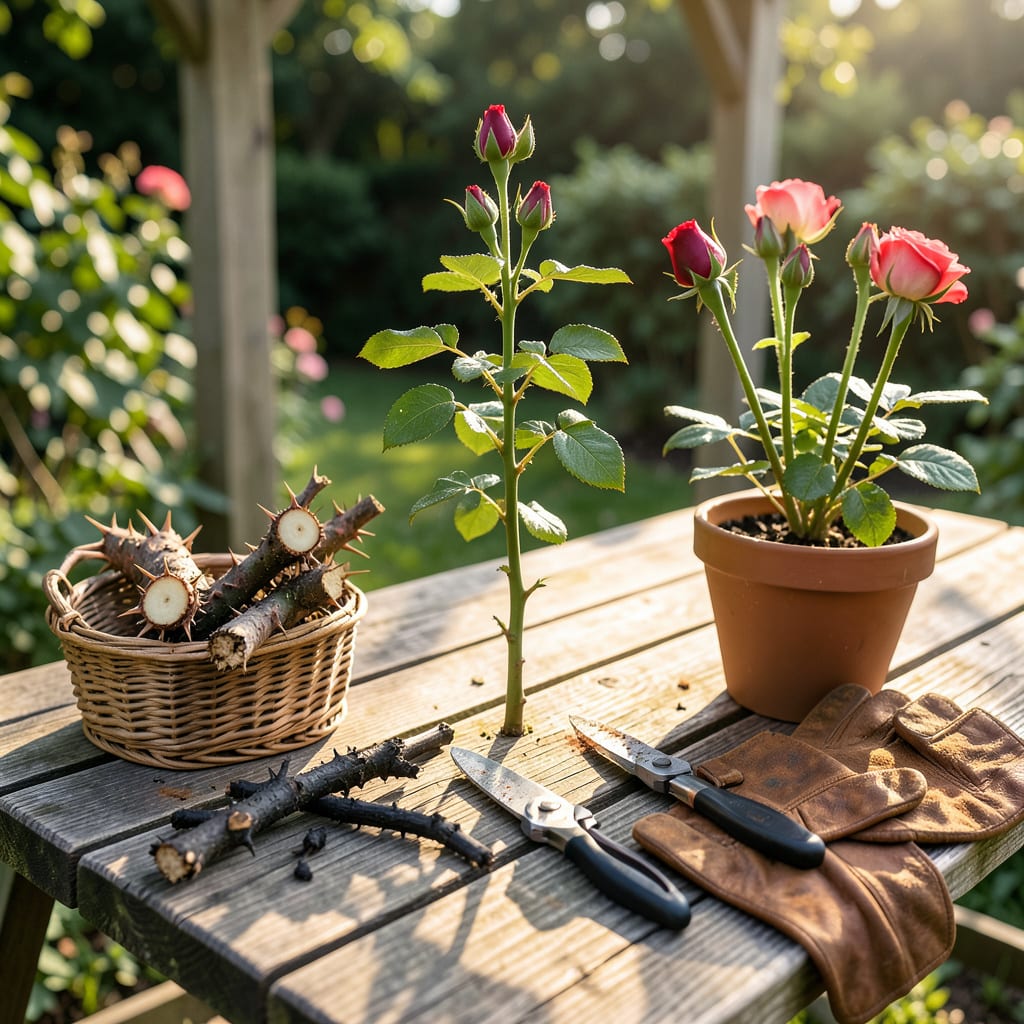
Every rose bush has dormant potential waiting to be unlocked. I used to think pruning was just about cutting back overgrowth—until I saw how strategic cuts transformed my leggy, sparse bushes into compact powerhouses covered in blooms. The difference isn’t luck; it’s knowing where and how to make each cut.
Timing and technique matter more than you’d expect. Prune too late, and you sacrifice this season’s flowers. Cut wrong, and you invite disease. But do it right—removing just the right amount at the right angle—and you’ll get bigger blooms, stronger stems, and a shape that looks intentional, not wild. Here’s how to make every snip count.
📚 In This Guide
This method transforms overgrown bushes into vibrant, bloom-packed plants—no guesswork required.
Prune in late winter or early spring, just as new growth begins (you’ll see tiny red buds swelling on the canes). This timing prevents frost damage to fresh cuts while maximizing the growing season ahead. For repeat-blooming varieties, I also do a light summer pruning after the first flush of flowers fades.
Use bypass pruners (not anvil-style) for clean cuts that heal quickly. A pair of loppers handles thicker canes, and thick leather gloves protect against thorns. Disinfect blades with rubbing alcohol between cuts to prevent disease spread—this is non-negotiable for rose health.
Start by cutting out all blackened, shriveled, or brown canes—these are dead and won’t recover. Make cuts at a 45-degree angle, ¼ inch above an outward-facing bud. This angle sheds water away from the bud union, preventing rot.
Next, remove any canes with dark spots, powdery mildew, or cankers. These diseases spread rapidly, so I cut 6 inches below any visible damage to ensure complete removal. Thin out crossing branches that rub together—they create wounds that invite pests and pathogens.
Aim to create an open vase shape by removing one-third of the oldest canes (typically the thickest, woodiest ones) at their base. This drastic cut might feel counterintuitive, but it stimulates vigorous new growth from the roots.
Shorten remaining canes by one-third to one-half, cutting just above an outward-facing bud. This directs growth away from the center, improving airflow that prevents fungal issues. Hybrid teas need more aggressive pruning than shrub roses—adjust based on your variety’s natural growth habit.
Every cut should be made at a 45-degree angle, sloping away from the bud. The high side of the cut should align with the bud’s direction—this determines where new growth emerges. I visualize the future branch structure as I prune, ensuring cuts support an open, balanced framework.
Leave 3-5 healthy canes on hybrid teas and 8-12 canes on floribundas, each with 4-6 buds remaining. This might seem sparse, but it concentrates the plant’s energy into fewer, higher-quality blooms. Seal cuts larger than a pencil diameter with pruning sealant to deter borers.
Rake up and dispose of all debris—never compost rose clippings, as they may harbor diseases. I spray the bush and surrounding soil with a neem oil solution (1 tbsp per gallon of water) to smother overwintering pests and fungal spores.
Watch for new shoots emerging from the base and along canes. Within 4-6 weeks, you’ll see explosive growth. If any canes fail to leaf out, remove them completely—they’re dead and won’t recover. The first blooms will appear 8-10 weeks after pruning, larger and more vibrant than ever.
Mastering rose pruning takes practice, but these insights will help you avoid common pitfalls and achieve stunning results.
Tool Maintenance Matters: In Step 1, I can’t overstate the importance of keeping your bypass pruners and loppers razor-sharp. Dull blades crush canes instead of making clean cuts, creating entry points for disease. I sharpen mine before each pruning session and disinfect with rubbing alcohol between every cut—not just between plants. This extra minute prevents black spot and canker diseases that could ruin your season.
The 45-Degree Secret: When making cuts in Steps 2 and 4, the 45-degree angle isn’t arbitrary—it’s your plant’s best defense against rot. The sloped cut sheds water away from the bud union, where moisture would otherwise pool and invite fungal infections. I’ve found that making the high side of the cut align precisely with the bud’s direction (as mentioned in Step 4) gives you the most controlled new growth pattern. This small detail makes a dramatic difference in bloom quality.
Don’t Fear the Hard Cut: Many gardeners hesitate when Step 3 instructs removing one-third of the oldest canes at their base. I used to second-guess this too, until I saw how dramatically it rejuvenates plants. Those thick, woody canes are energy sinks—they produce fewer blooms and block sunlight from reaching productive growth. The explosive new shoots you’ll see in 4-6 weeks (as mentioned in Step 5) will convince you this aggressive approach works. Trust the process: more wood removed now equals more flowers later.
Post-Pruning Protocol: The cleanup in Step 5 isn’t just about tidiness—it’s disease prevention. I’ve learned that raking up every last leaf and cane fragment eliminates overwintering spores that could reinfect your bush. The neem oil spray (1 tbsp per gallon of water) is my secret weapon against aphids and powdery mildew. Apply it to both the bush and surrounding soil immediately after pruning, then repeat every 2 weeks until new growth is established. This creates an inhospitable environment for pests during that critical 4-6 week regrowth period.
The ideal time is late winter or early spring, just as new growth starts (after the last frost). For repeat-blooming roses, a light prune after the first flush of flowers can encourage more blooms. Avoid pruning in fall—it can stimulate tender growth vulnerable to frost.
Remove ⅓ to ½ of the plant’s height, focusing on dead, diseased, or crossing branches. Hybrid teas need heavier pruning (4–6 canes left), while shrub roses thrive with lighter cuts. Always cut ¼ inch above an outward-facing bud at a 45° angle.
Technically yes, but we don’t recommend it! Rose thorns can cause painful punctures and infections. Wear thick gardening gloves (like leather or nitrile-coated) and long sleeves to protect your skin. Safety first!
Don’t panic! Roses are resilient. If canes are green inside when scratched, they’re alive. Water deeply after pruning and wait 4–6 weeks for new growth. If no buds appear by late spring, replace the plant.
Yes! For low-maintenance roses (like Knock Out® varieties), simple “deadheading” (removing spent blooms) and occasional shaping may suffice. Electric hedge trimmers work for large shrubs—but avoid them for precise cuts on hybrid teas.
