
Beautiful Plants For Your Interior
Beautiful Plants For Your Interior
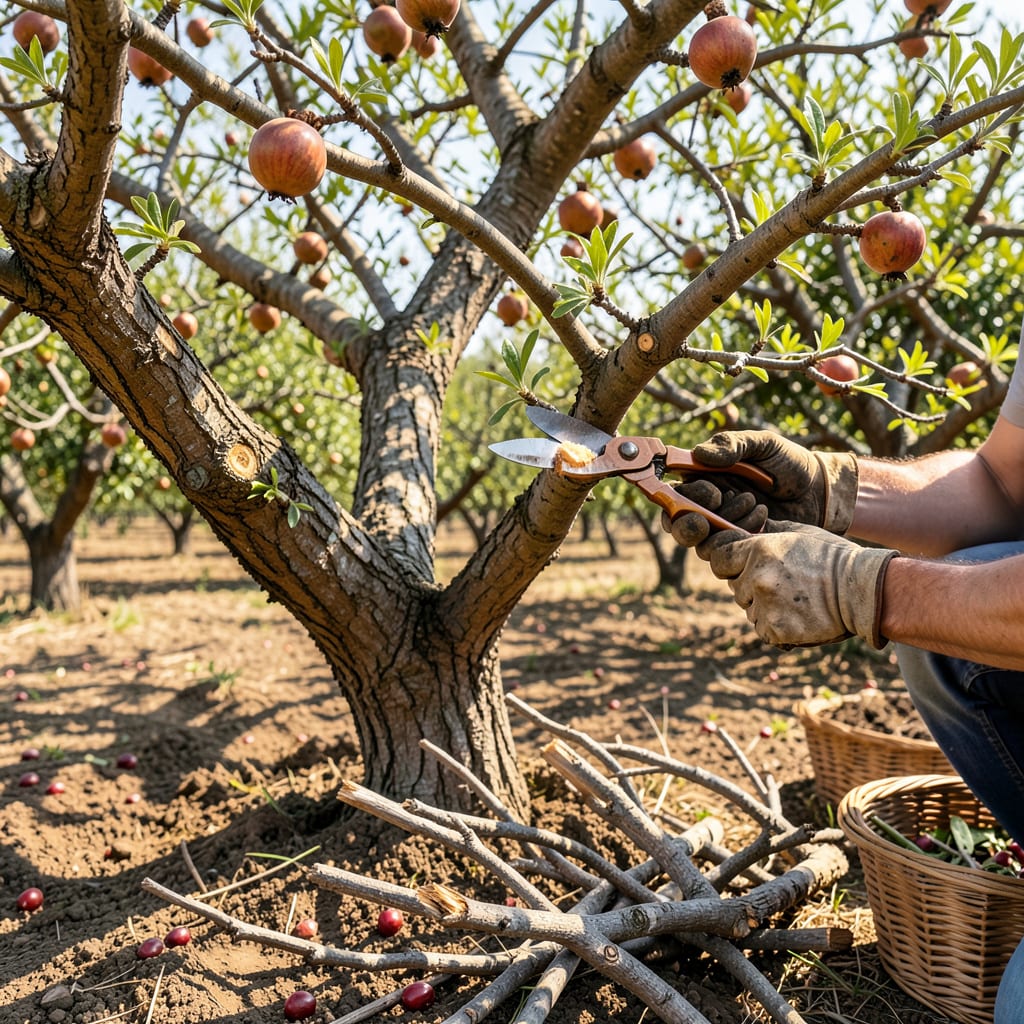
I used to think pruning was just about making trees look neat—until I saw what it did for my pomegranate harvest. That first year I actually pruned properly, the difference was shocking: twice as many fruits, each one plumper and sweeter than before. The tree wasn’t just surviving anymore; it was thriving in a way I didn’t think possible from something I’d nearly given up on.
Here’s the thing—pomegranates don’t need fancy techniques, just smart cuts at the right time. We’re talking about removing what’s holding your tree back (dead wood, crowded branches) so it can focus energy where it matters: bigger fruit, stronger growth, and a shape that actually works with your space. Three years in, my tree looks like it belongs in a catalog, and the pruning itself takes less than an hour.
📚 In This Guide
Pruning at the right time with the right technique transforms a scraggly tree into a productive powerhouse.
Time this project for late winter or early spring, just as new growth begins but before flowers appear. I aim for when daytime temperatures consistently reach 55-60°F—that’s your signal the tree is waking up but hasn’t committed energy to blooms yet.
Pruning too early in winter leaves cuts vulnerable to frost damage. Too late, and you’ll remove flower buds that would’ve become fruit. The perfect window lasts about 3-4 weeks in most climates, so watch your tree closely for those first leaf buds swelling.
Start by cutting any dead wood (it’ll be brittle and gray) back to healthy tissue. Make clean cuts at a 45-degree angle just above an outward-facing bud or branch junction. Diseased branches show discoloration or cankers—remove these entirely and sterilize your tools with rubbing alcohol between cuts.
Next tackle branches that cross or rub against each other. These create wounds that invite pests and disease. Always remove the weaker of the two branches, cutting it flush with the main trunk or parent branch. You’ll immediately see better air circulation through the canopy.
Pomegranates fruit best on new wood, so your goal is to open the center to sunlight. Remove about one-third of the oldest branches each year, focusing on those growing inward. I like to visualize an upside-down umbrella shape—wide at the top, open underneath.
Cut back remaining branches by one-quarter to one-third of their length, always making cuts just above an outward-facing bud. This encourages bushier growth and more fruiting sites. Step back frequently to check your progress—the tree should look balanced from all angles.
Look for vigorous vertical shoots (water sprouts) and thin, weak growth (suckers) at the base. These drain energy without producing good fruit. Remove them completely by cutting flush with the trunk or main branch they’re growing from.
Be ruthless here—every sucker you leave will reduce fruit production. I’ve found that removing these early in the season prevents them from becoming established and saves you work in future years. The tree will redirect that energy into developing larger, sweeter pomegranates instead.
Rake up all cut material from around the tree and dispose of it (don’t compost diseased wood). Water the tree deeply after pruning to help it recover. You’ll see new growth emerging within 2-3 weeks—this is your sign the pruning was successful.
Watch for signs of stress like excessive leaf drop or slow regrowth. If you notice these, the tree may need more water or a light application of balanced fertilizer. Properly pruned trees typically bounce back quickly and produce noticeably larger fruit the following season.
Pruning pomegranate trees becomes much easier once you understand these key principles and avoid common pitfalls.
Timing Precision: The 3-4 week window mentioned in Step 1 is absolutely critical. I’ve learned the hard way that pruning just one week too early can leave fresh cuts vulnerable to unexpected late frosts, while waiting even a week too long means you’ll accidentally remove flower buds that would have become fruit. Watch your tree like a hawk during this period—when you see those first leaf buds begin to swell and daytime temperatures consistently hit 55-60°F, that’s your perfect moment to start pruning.
Cutting Technique: The 45-degree angle cuts in Step 2 aren’t just for aesthetics—they’re functional. This angle allows water to run off the cut surface rather than pooling, which prevents rot and disease. Always make your cut just above an outward-facing bud or branch junction, never leaving a stub. I like to visualize where I want new growth to emerge and angle my cut accordingly to direct that growth outward rather than inward.
Canopy Management: When removing one-third of the oldest branches in Step 3, focus on creating that upside-down umbrella shape. This isn’t just about looks—it’s about maximizing sunlight penetration to the center of the tree where new fruiting wood will develop. I’ve found that using a step ladder to periodically climb up and view the canopy from above helps me spot areas I’ve missed. The goal is to have sunlight reach every part of the tree’s interior.
Tool Maintenance: Between every cut on diseased wood, sterilize your pruners with rubbing alcohol as mentioned in Step 2. I keep a small spray bottle of alcohol in my pocket during pruning sessions. This might seem like overkill, but I’ve seen how quickly diseases can spread when tools aren’t properly sanitized between cuts. It takes seconds and could save your tree from serious problems down the road.
The ideal time is late winter to early spring (February–March) while the tree is still dormant but before new growth starts. Avoid pruning in fall, as fresh cuts may not heal before winter. Light summer pruning can remove suckers, but save major shaping for dormancy.
Never remove more than 20–30% of the canopy in a single year. Focus on dead, crossing, or weak branches first. Over-pruning stresses the tree and reduces fruit production. If the tree is overgrown, spread pruning over 2–3 seasons for safer recovery.
Yes! Pomegranates tolerate hard pruning to control size. Use the “open vase” method to limit height (6–8 ft tall) while encouraging fruit-bearing lateral branches. Dwarf varieties (like ‘Nana’) need even less pruning—just shape lightly to maintain size.
Check for over-pruning (removed too many fruiting spurs) or pruning at the wrong time (e.g., late spring). Pomegranates bloom on new wood, so avoid cutting all fresh growth. Fertilize with phosphorus (bone meal) to boost flowering, and ensure full sun (6+ hours daily).
No—sealing wounds (with tar or paint) can trap moisture and encourage rot. Pomegranates heal naturally. Just make clean cuts at a 45° angle, ¼-inch above a bud, and let the tree callus. Sterilize tools with rubbing alcohol to prevent disease.
