
Beautiful Plants For Your Interior
Beautiful Plants For Your Interior
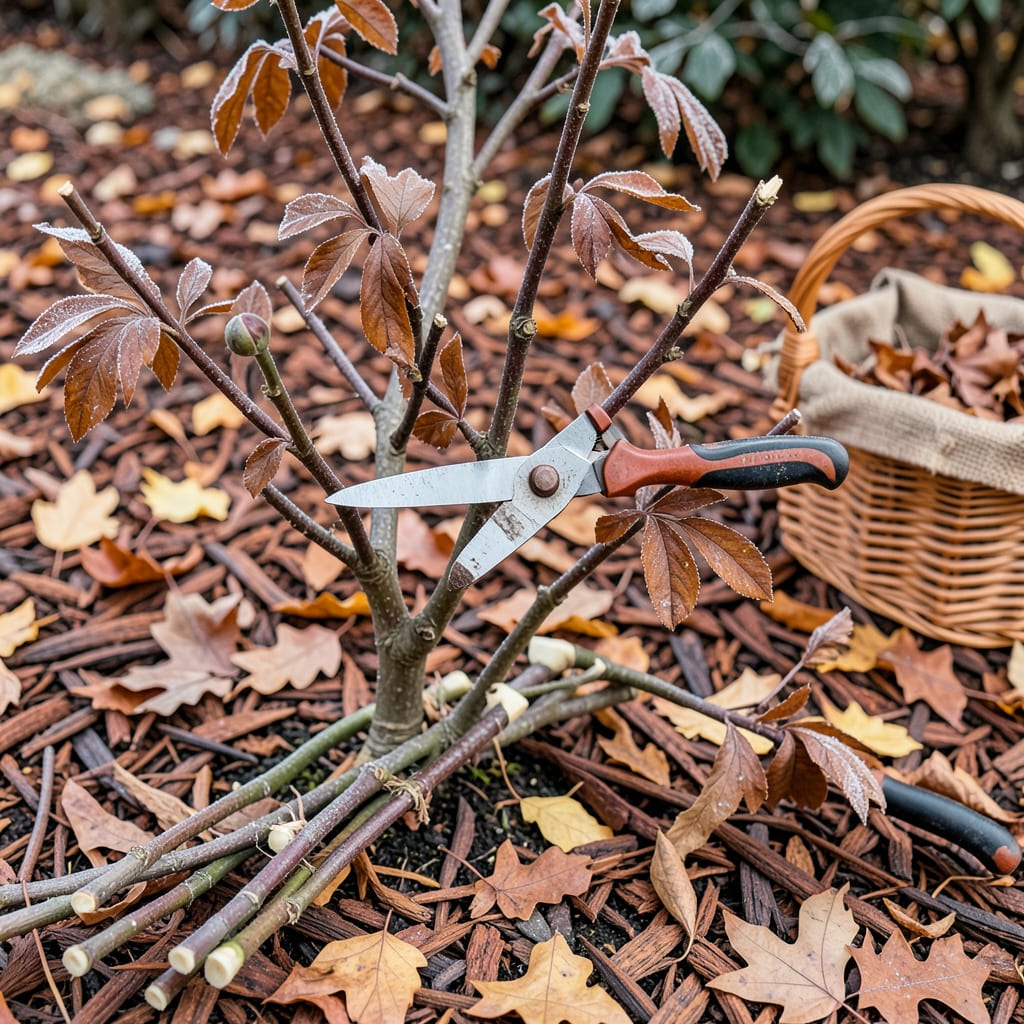
I used to think peonies were high-maintenance divas until I learned the simple pruning trick that transformed my plants. Now my garden bursts with dinner-plate-sized blooms every spring—all because of what I do in fall. The right cuts at the right time don’t just tidy up your plants; they actually program next year’s flower show.
Here’s the thing—most people either hack their peonies back too soon or leave them unpruned until they’re a tangled mess. I’ve done both, and neither works. Timing matters more than technique: herbaceous peonies need a hard cut in fall, while tree peonies demand gentle shaping after blooming. Get this right, and you’ll see stronger stems and twice as many flowers.
📚 In This Guide
This simple process will transform your peonies from average to spectacular—bigger blooms guaranteed next year.
Wait until late fall after the first hard frost has turned the foliage brown. This timing is crucial because cutting too early removes energy the plant is storing in its roots for next year’s blooms. I’ve found that October or November works perfectly in most climates, but adjust based on your local frost dates.
You’ll know it’s time when the stems collapse easily at the slightest touch and leaves turn completely brown. Don’t rush this—early pruning sacrifices flower production. The only exception is if you’re removing diseased foliage (more on that later), which should happen immediately when spotted.
Using clean, sharp pruners, cut all stems down to 1-2 inches above ground level. Make each cut at a slight angle to prevent water from pooling on the cut surface, which can lead to rot. I like to gather the stems in one hand and cut them all at once for efficiency, but be careful not to pull or tear the stems.
Remove all cut material from the garden area immediately. Peony foliage can harbor fungal diseases over winter, so I bag mine for trash rather than composting. This simple step prevents next year’s plants from getting infected. You should be left with just the red buds (next year’s flowers) at soil level.
Rake away any remaining plant debris from around the base of the plants. I use a small hand rake to gently clear a 6-inch diameter circle around each plant. This eliminates hiding places for pests and diseases that could overwinter in the garden.
Apply a 2-3 inch layer of mulch around—but not touching—the peony crowns. I prefer shredded bark or straw, which insulates the roots from freeze-thaw cycles while still allowing air circulation. This step is especially important in colder zones where winter temperature swings can damage the roots.
In early spring, as soon as you see red shoots emerging from the soil, remove any remaining mulch. These shoots are next year’s flowers, and they need full exposure to sunlight. I gently pull back the mulch rather than raking to avoid damaging the tender new growth.
If you notice any stems that didn’t get cut back properly in fall, trim them now before they leaf out. Look for any signs of powdery mildew on emerging leaves—if you see white powdery spots, remove those leaves immediately to prevent spread. A little prevention now saves a lot of trouble later in the season.
These practical insights will help you avoid common pitfalls and get the most spectacular blooms from your peonies next season.
Timing is Everything: The late fall timing mentioned in Step 1 isn’t just a suggestion—it’s critical for next year’s blooms. I learned this the hard way after cutting back too early one year and getting sparse flowers. Wait until stems collapse at the slightest touch and leaves are completely brown. In warmer climates, this might be December rather than October or November, so watch your plants rather than the calendar.
Cutting Technique: When you’re doing Step 2, make those cuts at a 45-degree angle as suggested. This isn’t just for looks—it prevents water from pooling on the cut surface, which can lead to crown rot. I use bypass pruners (not anvil style) for clean cuts that don’t crush the stems. Gather stems in one hand and cut them all at once for efficiency, but don’t pull or tear them.
Disease Prevention: Here’s what nobody tells you about Step 3—don’t compost those peony clippings! I made this mistake my first year and paid for it with powdery mildew the next season. Peony foliage can harbor fungal diseases over winter, so bag it for the trash instead. The 6-inch clearance around each plant might seem excessive, but it really does prevent pests and diseases from overwintering.
Mulching Wisdom: That 2-3 inch layer of mulch in Step 3 makes all the difference in cold climates. I use shredded bark because it insulates well while allowing air circulation. The key is to keep it away from the crowns—mulch touching the stems can cause rot. In spring, remove it as soon as you see those red shoots emerging to give your flowers the sunlight they need.
Fall (after the first frost) is ideal! Cut back stems to 2-3 inches above ground level once foliage turns brown. Avoid pruning in spring or summer—this can reduce blooms or spread disease. Herbaceous peonies need annual pruning, while tree peonies only require light shaping in late winter.
Only if necessary! Lightly trim dead or diseased stems, but avoid heavy pruning—it removes next year’s flower buds. If cutting for bouquets, take no more than ⅓ of stems and leave plenty of foliage to feed the roots.
Skipping pruning won’t kill them, but expect fewer blooms and higher disease risk (like powdery mildew ). Overcrowded stems compete for nutrients, leading to smaller flowers. Fall cleanup also removes pests hiding in old foliage.
Tree peonies need minimal pruning! Remove only dead/damaged wood in late winter (before buds swell). Avoid cutting healthy stems—these woody plants bloom on old growth. Use sharp bypass pruners and sterilize tools with rubbing alcohol to prevent disease.
Common culprits:
