
Beautiful Plants For Your Interior
Beautiful Plants For Your Interior
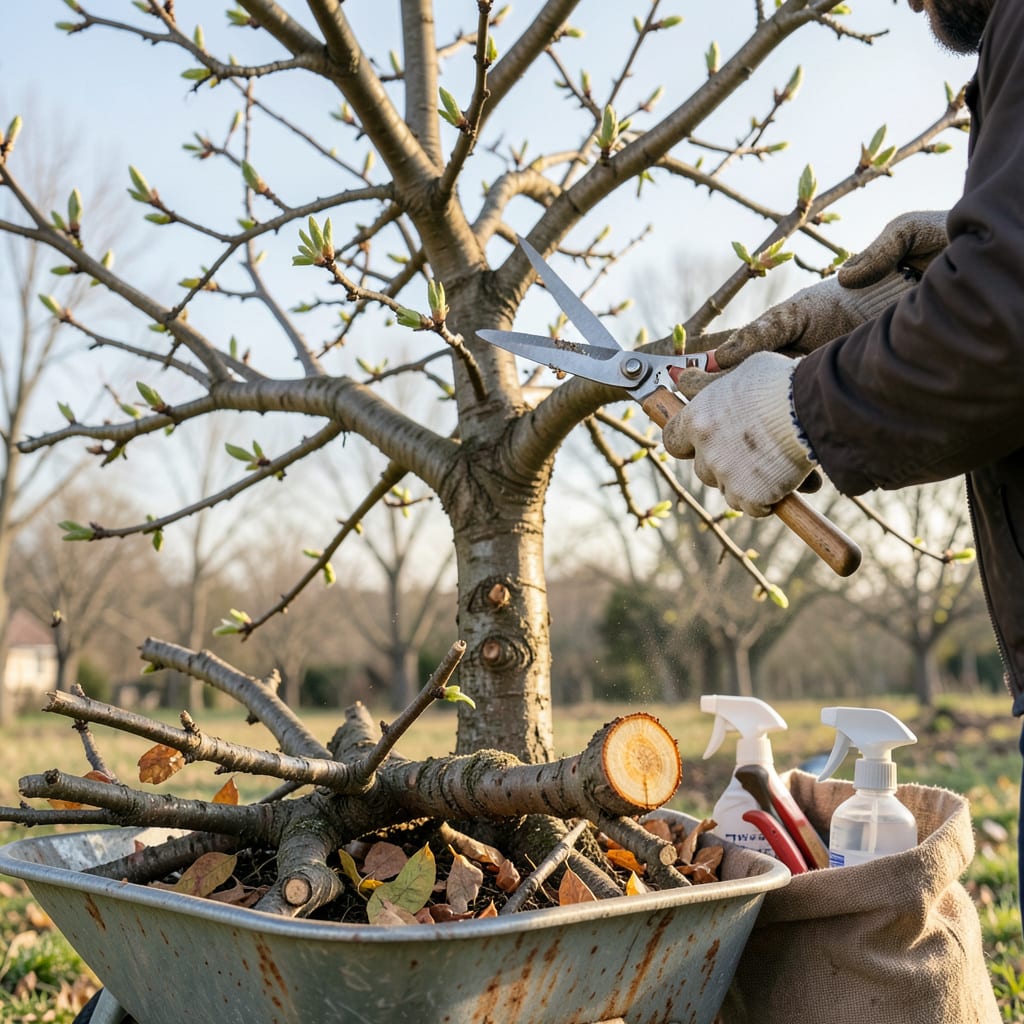
I used to think pruning peach trees was complicated—until I saw how a few strategic cuts doubled my harvest. Late winter, just before buds swell, is the perfect time to shape your tree for bigger, sweeter fruit and better airflow. The secret? Focusing on an open-center shape that lets sunlight reach every branch.
You’ll be amazed how removing just the right branches transforms a tangled mess into a productive powerhouse. No fancy tools required—just sharp pruners, a little confidence, and the knowledge that every cut is setting you up for a juicier summer. Trust me, your peaches will thank you.
📚 In This Guide
Pruning may seem intimidating, but this method ensures healthier trees and sweeter fruit—season after season.
Prune in late winter or early spring, just before new growth begins. This timing minimizes disease risk and lets you see the tree’s structure clearly without leaves. I always use sharp bypass pruners (not anvil-style) and a pruning saw for thicker branches. Disinfect tools with rubbing alcohol between cuts to prevent spreading pathogens.
Check the weather forecast first—avoid pruning if rain or freezing temperatures are expected within 48 hours. Wet conditions invite fungal infections, and cold snaps can stress freshly cut wood. A dry, mild day is ideal for both you and the tree.
Start by cutting out any dead or diseased wood first. Dead branches feel brittle and appear gray or black inside when scratched. Diseased wood often shows discoloration, oozing sap, or fungal growth. Remove these completely, cutting back to healthy tissue at least 6 inches below visible damage.
Next, eliminate branches that cross or rub against each other. These create wounds that invite pests and disease. I prioritize keeping the stronger, better-positioned branch and removing the weaker one. Look for branches growing toward the tree’s center—they’ll eventually cause problems.
Peach trees produce best with an open vase shape. Remove about 30-40% of last year’s growth, focusing on vertical shoots (called “water sprouts”) and branches growing inward. Your goal is a tree that lets sunlight reach the center and allows air to circulate freely—this prevents fungal diseases and improves fruit quality.
Make cuts at a 45-degree angle, about ¼ inch above an outward-facing bud. This encourages new growth to expand outward rather than crowding the center. Avoid leaving stubs, which die back and become entry points for rot. I like to step back every few cuts to check the tree’s overall shape.
After shaping, thin out some of the remaining branches to space them 6-12 inches apart. This reduces competition and allows the tree to direct energy into fewer, higher-quality fruits. Focus on removing weaker, thinner branches while keeping sturdy, fruit-bearing wood that’s about pencil thickness.
Leave a mix of old and new growth—peaches form on one-year-old wood, so you’ll need some of last year’s branches. I aim to keep about 4-6 main scaffolds (primary branches) evenly spaced around the trunk. This balance ensures good production without overburdening the tree.
Rake up and dispose of all pruned material immediately—don’t compost diseased wood. I like to spray the tree with a copper fungicide after pruning to protect fresh cuts. Water the tree deeply to help it recover from the stress of pruning, but avoid wetting the branches.
Watch for new growth in 2-3 weeks. If you see excessive vertical shoots (water sprouts), pinch them off early. The first flowers will appear in 4-6 weeks, signaling your pruning was successful. Thin fruit later in spring to space peaches 6-8 inches apart for optimal size and sweetness.
Pruning peach trees doesn’t have to be intimidating—these practical insights will help you avoid common pitfalls and set your tree up for success.
Timing Strategy: The 48-hour window mentioned in Step 1 is crucial for avoiding weather-related problems. I learned this the hard way after pruning right before a cold snap—new cuts became stressed and took weeks to heal. Always check the extended forecast, not just the day-of weather. Late afternoon pruning gives cuts several hours to begin callusing before nighttime temperature drops.
Cutting Technique: When removing diseased wood in Step 2, that 6-inch buffer below visible damage isn’t arbitrary. Fungal spores and bacteria often spread invisibly through the wood. I use a permanent marker to draw a line 6 inches below the last sign of trouble before cutting—this prevents second-guessing mid-prune. For crossing branches, trace their paths with your fingers to identify which one has the better angle before deciding which to keep.
Shape Maintenance: The 30-40% removal guideline in Step 3 can feel aggressive, but here’s what changed my approach: stand back after every 5-6 cuts to assess progress. I use my pruners as a measuring guide—when held horizontally at arm’s length, the remaining branches should form a balanced silhouette. If you’re removing mostly small twigs, you’re not being bold enough with structural cuts.
Follow-Up Care: That 2-3 week window for new growth in Step 5 is your critical observation period. I set a phone reminder to check for water sprouts exactly 14 days after pruning. These vertical shoots grow astonishingly fast—what looks like a harmless twig on day 14 can become a thick branch by day 21. Pinch them off when they’re still flexible enough to break between your fingers.
The ideal time is late winter to early spring (just before buds swell). This minimizes disease risk and promotes vigorous growth. Avoid pruning in fall—open wounds attract pests and frost damage. In warmer climates (Zones 8+), aim for January; colder zones (5-7) should wait until March.
Remove 30–40% of last year’s growth to balance fruit production and tree health. Focus on:
Yes, but only for light maintenance. Summer pruning (June–July) helps control vigorous growth and improves sunlight penetration. Avoid heavy cuts—it can reduce next year’s fruit. Stick to removing water sprouts or shaping minor branches.
Common causes include:
Peach trees need more aggressive annual pruning than apples or pears because:
