
Beautiful Plants For Your Interior
Beautiful Plants For Your Interior
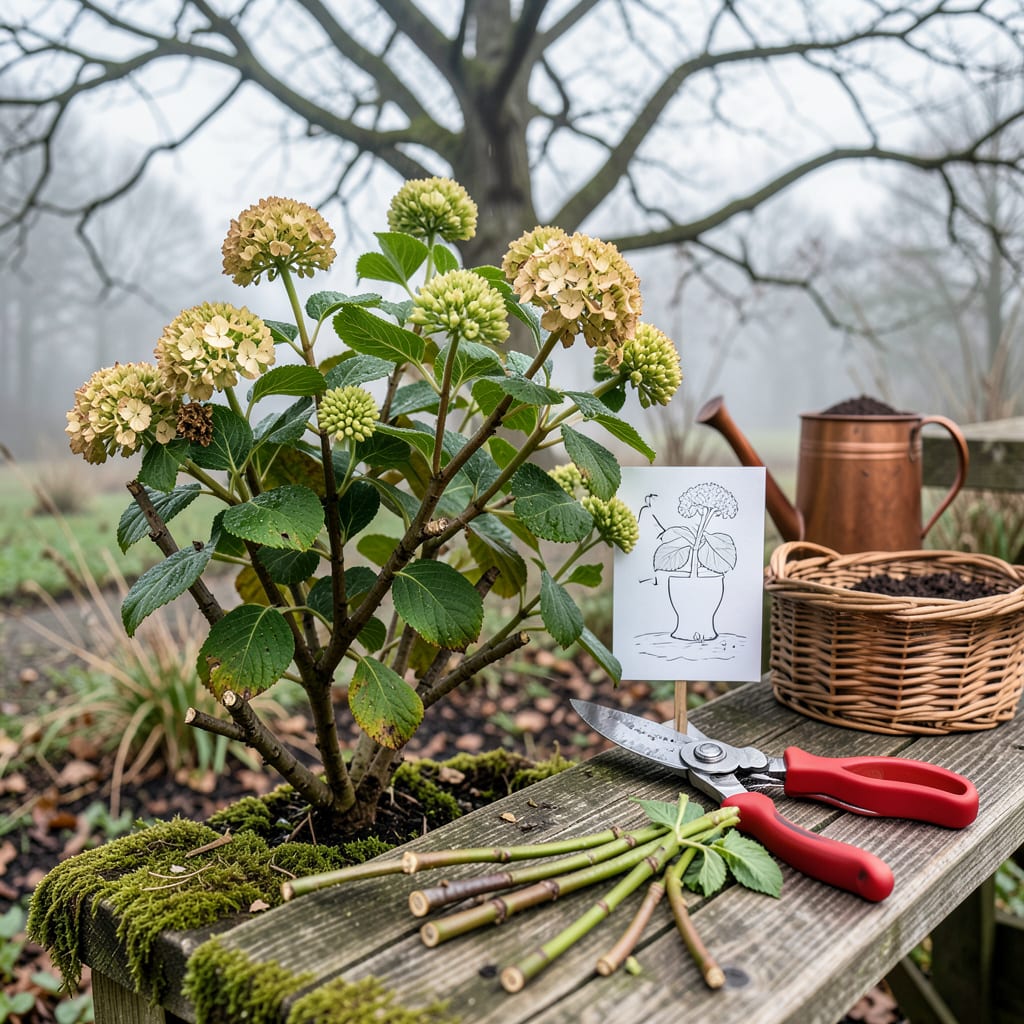
I used to dread pruning my Limelight hydrangeas—until I realized it was the secret to those massive, show-stopping blooms everyone admires. These hardy shrubs thrive on a good haircut, and timing makes all the difference. Prune too late, and you risk cutting off next year’s flowers; do it right, and you’ll get bigger, brighter panicles that last from summer through fall.
The best part? This isn’t brain surgery. With clean pruners, a little confidence, and 20 minutes in early spring, you can shape your hydrangea for maximum impact. I’ll walk you through exactly where to cut, what to leave, and how to avoid the mistakes that leave gardeners with sad, sparse blooms. Trust me—your plant will thank you with a season of unusually lush growth.
📚 In This Guide
Pruning at the right time with the right technique transforms your hydrangeas from leggy to lush with massive blooms.
Limelight hydrangeas bloom on new wood, so timing is everything. I prune mine in late winter or early spring, just as the buds begin to swell but before leaves emerge. This window—typically February to early March—gives the plant time to recover while avoiding winter dieback.
Here’s the thing—if you prune in fall, you risk removing next year’s flower buds before they form. Wait until you see tiny green bumps forming along the stems; that’s your signal the plant is waking up and ready for a trim.
Start by cutting out any dead, damaged, or diseased stems at their base. These won’t produce blooms and can harbor pests. I use sharp bypass pruners to make clean cuts at a 45-degree angle just above a healthy bud.
Next, thin out about one-third of the oldest stems—the thickest, woodiest ones. This opens up the center for better air circulation and light penetration. You’ll notice the remaining stems look more vigorous immediately.
Now for the fun part: shaping. I cut back the remaining stems by one-third to one-half of their height. Make each cut just above a pair of healthy buds facing outward—this encourages the plant to grow wider rather than taller.
Real talk: Don’t stress about perfection. Limelights are forgiving. If you accidentally cut too much, the plant will recover—it just might take an extra season to reach full bloom size.
Remove all cut stems from the base of the plant to prevent disease. I like to spread a 2-inch layer of mulch around the base afterward to protect roots and retain moisture as new growth begins.
Water deeply after pruning to help the plant recover. You’ll see new shoots emerging within 2-3 weeks—that’s how you know you’ve timed it perfectly. These will develop into this season’s flower stems.
Keep an eye on your hydrangea as it grows. If any stems grow significantly taller than others by mid-summer, I trim them back lightly to maintain shape. This also redirects energy to flower production rather than stem growth.
By mid-July, you should stop all pruning—any cuts after this point may remove developing flower buds. The blooms you see forming now will be next year’s showstoppers.
Pruning hydrangeas can feel intimidating, but these practical insights will help you achieve healthier plants and more spectacular blooms.
Timing Precision: The February to early March window mentioned in Step 1 is absolutely critical because Limelight hydrangeas form their flower buds on new wood. I’ve found that pruning just as the buds begin to swell—but before leaves appear—gives the plant maximum time to recover and produce strong new growth. If you wait until leaves emerge, you’ve missed the optimal window, and you’ll get fewer blooms that season.
Tool Selection: While Step 2 mentions using bypass pruners, I can’t stress enough how important sharp tools are for clean cuts. Dull pruners crush stems rather than cutting them, which creates entry points for disease. I sharpen my pruners before each pruning session and wipe them with rubbing alcohol between cuts to prevent spreading any potential pathogens between stems.
Bud Placement Strategy: When making cuts in Step 3, always look for buds that face outward from the center of the plant. This might seem like a small detail, but it makes a huge difference in the plant’s shape over time. Outward-facing buds encourage the plant to grow wider rather than becoming a tangled mess in the center. I’ve seen plants that were pruned without considering bud direction develop dense centers with poor air circulation, which leads to disease issues.
Season-Long Maintenance: The mid-July cutoff mentioned in Step 5 isn’t arbitrary—it’s when next year’s flower buds begin forming. I make it a habit to do a final walk-through of my garden in early July to identify any stems that need light trimming. This gives me a buffer before that critical mid-July date. Any pruning done after this point risks sacrificing next year’s blooms, and trust me, you don’t want to wait another year for those beautiful flowers.
The ideal time is late winter to early spring (February–March), just before new growth starts. These hydrangeas bloom on new wood, so pruning then encourages bigger, healthier blooms. Avoid fall pruning—it can remove next year’s flower buds!
You can safely remove one-third of the oldest stems down to the base and trim remaining stems by 1/3 their height. Over-pruning weakens the plant, but Limelights are forgiving—just avoid cutting more than half the total growth.
No blooms? Check these:
Can I prune Limelight hydrangeas in summer?
Only for light shaping! Avoid heavy pruning after July—late summer cuts risk removing next year’s buds. Deadhead spent blooms anytime, but save major pruning for late winter.
Not strictly! They bloom reliably even without pruning, but annual trimming keeps them tidy, fuller, and floriferous. Skip a year if the plant looks healthy—just remove dead/damaged wood as needed.
