
Beautiful Plants For Your Interior
Beautiful Plants For Your Interior
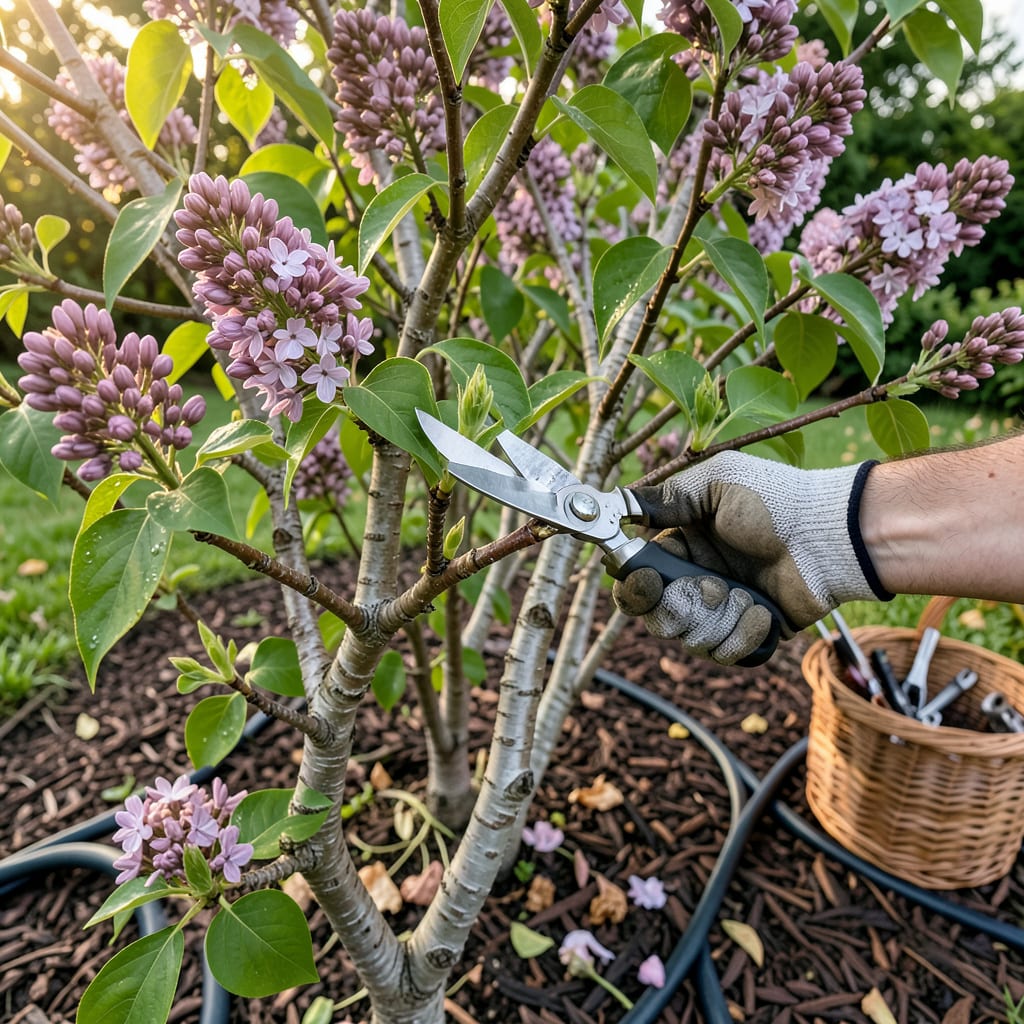
I used to think pruning lilacs was optional—until I saw what happened after doing it right. That overgrown bush in my backyard now explodes with twice as many blooms every spring, all because of a few strategic cuts at the perfect time. The secret isn’t just hacking away; it’s knowing when to prune (right after the flowers fade) and where to make each cut for maximum impact next season.
Most gardeners either prune too late and lose next year’s flowers or skip it entirely and end up with leggy, weak-blooming shrubs. I’ll show you how to spot the right branches to remove, make clean cuts that heal fast, and shape your lilac so it stays healthy and productive for decades. No fancy tools required—just sharp pruners, 20 minutes, and the confidence to make that first snip.
📚 In This Guide
Timing and technique are everything when shaping lilacs—here’s how to do it without sacrificing next year’s flowers.
Prune immediately after the lilac finishes blooming in late spring or early summer. This timing ensures you won’t accidentally remove next season’s flower buds, which form on old wood during summer. I mark my calendar the moment the last blossoms fade—waiting too long risks cutting off developing buds.
Never prune in fall or winter unless you’re removing damaged wood. Late-season pruning stimulates new growth that won’t harden off before winter, and you’ll lose potential blooms. The ideal window lasts about 2-3 weeks after flowering—watch for when petals drop but leaves remain vibrant.
Start by cutting out any dead, broken, or diseased branches at their base. Dead wood appears gray and brittle, while healthy stems show green when scratched lightly with a fingernail. Diseased branches often have discolored leaves or cankers (sunken, darkened areas on the bark).
Make clean cuts just outside the branch collar (the swollen area where the branch meets the trunk) using sharp bypass pruners. I wipe my pruner blades with rubbing alcohol between cuts when dealing with diseased wood to prevent spreading pathogens. This first pass improves air circulation and lets you assess the bush’s true shape.
Remove about one-third of the oldest stems each year, cutting them right at ground level. Older stems (typically 2 inches or thicker in diameter) produce fewer blooms and crowd the center. Look for stems with rough, peeling bark—these are usually the oldest.
Thinning opens the bush’s interior to sunlight and air, which reduces powdery mildew and encourages new growth from the base. I aim to keep stems spaced 6-12 inches apart throughout the bush. After thinning, you should be able to see through the center of the plant when viewing from the side.
Shorten remaining branches by cutting just above a outward-facing bud or side branch. This directs new growth away from the center. For overgrown bushes, I follow the “one-third rule”—never remove more than one-third of the total foliage in a single season to avoid shocking the plant.
To reduce height, cut the tallest stems back to a strong side branch or bud about 6-8 inches lower than your desired height. Make cuts at a 45-degree angle to shed water. Step back frequently to check your progress—the goal is a natural, rounded shape, not a formal hedge.
Rake up all cuttings and debris from around the base immediately. Lilac borers and diseases overwinter in plant debris, so I bag and remove everything rather than composting it. Water the bush deeply after pruning to help it recover from the stress.
Make notes about which stems you removed and where the bush might need more attention next year. I tie a bright ribbon around one stem as a reminder of where to focus thinning next season. Proper pruning now means dramatically more blooms and healthier growth when spring arrives.
Pruning lilacs properly makes all the difference between a struggling bush and one that bursts with blooms. Here’s what I’ve learned from years of shaping these beautiful plants.
Timing is Everything: That 2-3 week window after flowering mentioned in Step 1 is absolutely critical. I once waited an extra week because of rain, and ended up cutting off half the next year’s buds without realizing it. Mark your calendar the moment the last blossoms fade—this is your only chance to prune without sacrificing future flowers. The bush will start forming next year’s buds almost immediately after blooming, so timing really can’t be emphasized enough.
Tool Preparation Matters: Before you start Step 2, take five minutes to properly prepare your tools. Sharp bypass pruners make clean cuts that heal faster, while dull blades can crush stems and create entry points for disease. I keep a small container of rubbing alcohol nearby to wipe blades between cuts when removing diseased wood—this simple step prevents spreading problems throughout the bush. Also, have a tarp ready to collect debris immediately; letting cuttings pile up makes cleanup harder and can spread pests.
Thinning Technique: When you get to Step 3 and start removing those oldest stems, don’t just grab the first thick branches you see. Take time to identify which stems are truly the oldest by looking for rough, peeling bark and tracing them to the ground. I like to stand back and visualize which removals will open up the center most effectively. Remember that 6-12 inch spacing goal—it makes a surprising difference in airflow and bloom production. The first year I did this properly, my lilacs had twice as many flowers the following spring.
Height Control Strategy: For Step 4, when reducing height, that 6-8 inch buffer below your target height is genius. It accounts for the new growth that will sprout from your cut. I learned this the hard way by cutting exactly to my desired height, only to have the bush grow right back to where it started by summer’s end. Also, when making those 45-degree angle cuts, position them so water runs away from the center of the plant—this small detail prevents rot and fungal issues.
The ideal time is right after flowering in late spring or early summer (May–June). Pruning later may remove next year’s buds! Avoid fall/winter pruning, as it stimulates new growth vulnerable to frost.
Never remove more than ⅓ of the total branches in one season. Focus on dead/diseased wood first, then thin overcrowded stems. For rejuvenation, spread major cuts over 2–3 years to avoid shock.
Only for light shaping or deadwood removal. Heavy pruning in fall/winter risks frost damage to new growth and reduces blooms. If urgent, wait until late winter (Feb) before buds swell.
Common causes: pruning at the wrong time (removing flower buds), over-pruning, or cutting only green stems (old wood blooms!). Ensure you’re leaving plump, gray-brown stems—these hold next year’s flowers!
Yes! Try renewal pruning: cut ⅓ of old stems to the ground annually for 3 years. For quick fixes, thin inner branches to improve airflow. Avoid shearing tops—it creates a “witch’s broom” effect!
