
Beautiful Plants For Your Interior
Beautiful Plants For Your Interior
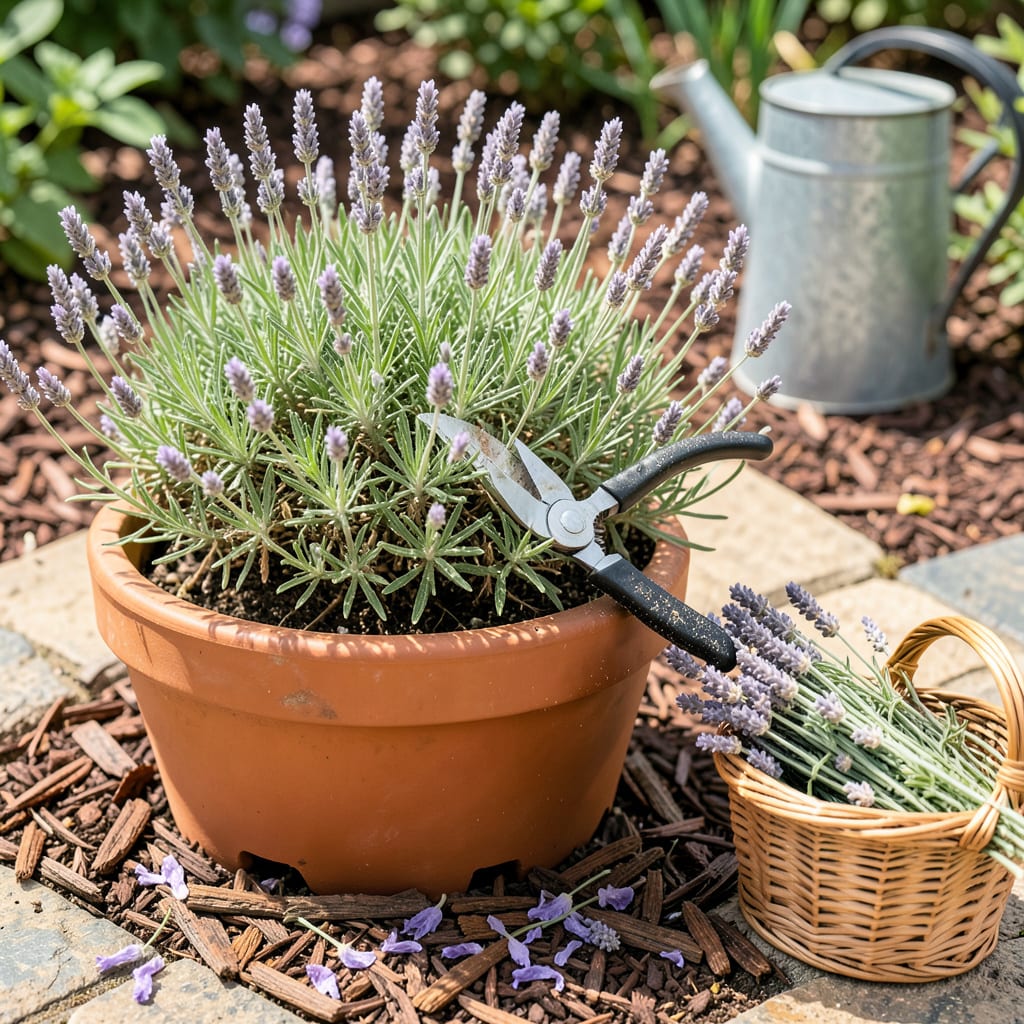
I used to think lavender was one of those “plant it and forget it” shrubs—until mine turned woody and stopped blooming. Turns out, pruning is the secret to keeping lavender lush and productive for years. The right cuts at the right time transform leggy plants into compact, fragrant powerhouses covered in flowers.
Timing matters more than technique here. Prune too late in fall, and winter damage ruins your work. Wait too long in spring, and you cut off new growth. I’ll show you exactly when to grab those pruners and where to make each cut—no guesswork, just bushier plants and more blooms next season.
📚 In This Guide
Pruning lavender the right way ensures healthier plants and more vibrant blooms—here’s my foolproof approach.
Timing is everything with lavender. I always prune in early spring just as new growth begins to emerge, or right after flowering in late summer. Never prune in fall—new growth won’t harden off before winter and will die back.
Look for small green buds forming at the base of the plant. That’s your signal the plant is waking up and ready for pruning. If you’re pruning after flowering, wait until 70% of the blooms have faded but before seed heads form.
Use sharp bypass pruners (not anvil-style) that you’ve cleaned with rubbing alcohol. Dull blades crush lavender’s woody stems instead of making clean cuts. I keep a small bucket of 10% bleach solution nearby to dip pruners between plants if I’m working with multiple specimens.
Before cutting, examine your lavender plant carefully. Identify where the woody base begins and where the current year’s green growth starts. You’ll want to preserve that transition zone—it’s where new growth will emerge.
Start by removing about one-third of the current year’s growth, cutting just above a set of healthy leaves or buds. Never cut into the bare, woody base—lavender won’t regrow from old wood. I shape my plants into a gentle mound, slightly wider at the base than the top.
Make cuts at slight angles to allow water to run off. Avoid shearing straight across the top, which creates a flat surface that collects water and invites rot. Step back frequently to check your progress—the goal is an open, airy shape that allows light and air to reach the center.
After shaping, remove any dead, diseased, or crossing branches at their base. I also snip off any thin, weak growth—these won’t produce good blooms and just drain the plant’s energy. Collect all cuttings and dispose of them (don’t compost if they show signs of disease).
Water lightly after pruning to help the plant recover, but don’t fertilize—lavender thrives in lean soil. Over the next few weeks, you’ll see new growth emerging from where you made your cuts. This confirms you’ve pruned at the right depth and your plant is responding well.
Check your pruned lavender weekly during the growing season. If you notice any stems dying back, trim them immediately to healthy growth. I also do a light “tip pruning” in early summer—just snipping the top inch of new growth—to encourage even more branching.
By mid-summer, you should see a noticeable difference: bushier growth, better air circulation, and the beginnings of flower buds. The real payoff comes in the bloom season when your properly pruned plants produce twice as many flowers as unpruned ones, all on sturdy stems that don’t flop over.
Pruning lavender properly makes all the difference between a thriving plant and one that struggles. Here’s what I’ve learned from years of working with these fragrant beauties.
Timing Precision: The early spring window mentioned in Step 1 is absolutely critical. I’ve found that pruning just as those first green buds appear at the base (but before they elongate) gives the plant maximum time to recover before summer heat. If you wait until leaves are fully formed, you’ve missed the ideal window. For late summer pruning, that 70% bloom guideline prevents you from cutting off potential seed development while still allowing time for regrowth before winter.
Tool Preparation: The 10% bleach solution in Step 2 isn’t just for disease prevention—it actually sharpens your focus. When I dip my pruners between plants, it forces me to pause and reassess each lavender individually rather than rushing through. This small habit has saved me from making careless cuts into that precious transition zone between wood and green growth.
Cutting Technique: When removing that one-third of growth in Step 3, I’ve developed a simple trick: hold your hand horizontally where you think you should cut, then move it up about an inch. We consistently underestimate how much to remove. The angled cuts are equally important—I aim for about a 45-degree angle, which I’ve found gives water the perfect runoff while still maintaining the plant’s natural shape. Avoid the temptation to create a perfect sphere; that slight mound shape with wider base actually prevents water pooling better than you’d think.
Post-Pruning Care: The instruction in Step 4 about light watering is often overlooked, but I’ve noticed it makes a surprising difference. After pruning, I give each plant about a cup of water at its base—not enough to saturate the soil, but sufficient to help the plant recover from the stress. The key is watering the soil, not the cut stems. I also make a point to check the plants the next morning; if any cuts look white or dried out, I’ll give just those stems a light misting.
Prune in early spring (March-April) as new growth starts, or late summer (after flowering). Avoid fall pruning—it can stimulate tender growth vulnerable to frost. In warm climates (Zones 8+), a light trim in fall is okay.
Hold off! First-year plants need time to establish roots. Lightly pinch back tips to encourage bushiness, but avoid heavy pruning. Wait until the second year for full pruning to avoid stunting growth.
Don’t panic! Scratch the stem—if it’s green underneath, it’s alive. Trim back dead wood in spring and water lightly. Avoid fertilizer; lavender thrives in lean soil. Recovery may take weeks, but patience often pays off!
Yes, but only for large plants. Hand pruners give more precision, reducing risk of cutting into old wood (which may not regrow). If using trimmers, go slow and avoid chopping too low—leave at least 2–3 inches of green growth.
Common causes: pruning too late (missed new growth), cutting into old wood, or skipping annual pruning. Next season, prune just above leaf nodes in spring and deadhead spent blooms to encourage branching. Repeat yearly for best results!
