
Beautiful Plants For Your Interior
Beautiful Plants For Your Interior
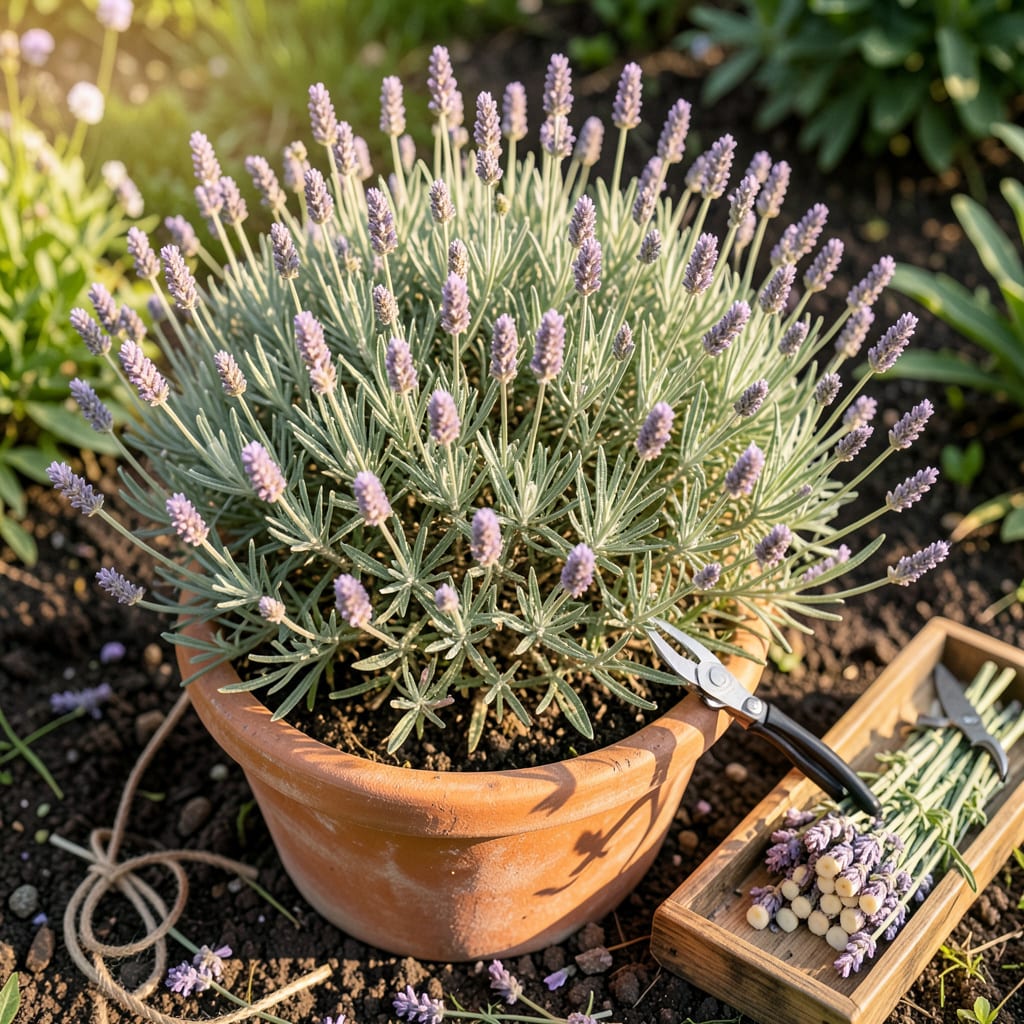
That first time I pruned my lavender, I nearly ruined it. What looked like a simple trim turned into a woody, leggy mess that barely bloomed the next season. Turns out, lavender isn’t like other shrubs—it demands precision to stay lush and flower-packed year after year.
Done right, pruning transforms scraggly stems into compact, fragrant mounds covered in blooms. The secret lies in timing and technique: cut too late or too deep, and you risk killing the plant; do it properly, and you’ll double your flowers by next summer. Here’s exactly how to get it right.
📚 In This Guide
Here’s the method I use every year to keep lavender compact, healthy, and covered in blooms.
Timing is everything with lavender. I always prune in early spring just as new growth begins—you’ll see tiny green buds forming at the base of the plant. This is when the plant has enough energy to recover quickly but hasn’t put energy into new stems yet.
Avoid pruning in fall, no matter how tempting. Late-season cuts encourage tender new growth that winter will kill. If you live in a mild climate, you can do a light shaping in late summer after flowering, but never cut back hard after August.
Use sharp bypass pruners (not anvil-style) that you’ve cleaned with rubbing alcohol. Dull blades crush lavender’s woody stems instead of making clean cuts. I also wear gloves because lavender’s foliage can irritate skin after prolonged contact.
Before cutting, examine the plant closely. You’ll see a mix of green flexible stems and older woody growth. The goal is to remove about one-third of the current year’s growth while preserving the plant’s natural mound shape.
Start by removing any dead or broken stems at their base. Then, trim back the remaining growth by cutting just above a set of new leaves or buds—never leave stubby stems without foliage. I make each cut at a slight angle so water runs off rather than pooling.
Never cut into the bare wood at the base—that part won’t regrow. You should always see green growth below your cuts. As you work, step back frequently to check the plant’s shape. Lavender should look like a green mound, not a flat-topped hedge.
After pruning, I always remove all cuttings from around the plant. Lavender debris can harbor moisture and encourage rot. Give the plant a light watering after pruning—this helps reduce stress—but don’t fertilize. Lavender thrives in lean soil.
Watch for new growth over the next 2-3 weeks. If you don’t see green shoots emerging, you may have pruned too aggressively. Healthy lavender will show vigorous new growth within a month, with the first blooms appearing 8-12 weeks later.
During the growing season, I do light maintenance pruning after each flush of blooms. Simply snip off the spent flower stems down to the next set of leaves. This encourages more blooms and keeps the plant tidy without stimulating excessive new growth.
Resist the urge to prune lavender more than twice a year. Over-pruning leads to a weak, woody plant. The spring pruning is the most important—get that right, and you’ll have a compact, floriferous plant that will thrive for years.
After years of trial and error with lavender, I’ve learned what truly makes the difference between a thriving plant and one that struggles.
Timing Precision: The early spring window mentioned in Step 1 is absolutely critical. I’ve found that pruning even two weeks too early (before those green buds appear) can stress the plant, while waiting too long means you’ll cut off potential flower buds. In mild climates, that late summer shaping opportunity after flowering is your second chance—just remember to finish by August to avoid winter damage.
Tool Selection: The bypass pruners specified in Step 2 aren’t just a suggestion—they’re essential. I ruined my first lavender plant using anvil pruners that crushed the stems. Clean your pruners with rubbing alcohol before starting, and consider keeping a dedicated pair just for lavender to prevent disease transmission from other plants.
Cutting Technique: When following Step 3’s instructions about cutting just above new leaves, make your cuts at a 45-degree angle. This isn’t just for aesthetics—it prevents water from pooling on the cut surface, which can lead to rot. I also recommend stepping back every few cuts to check your progress; it’s surprisingly easy to create flat spots when you’re focused on individual stems.
Recovery Monitoring: The 2-3 week observation period in Step 4 is your plant’s way of telling you how you did. If you don’t see new growth by week three, you’ve likely cut too aggressively. Healthy lavender should show visible green shoots within that timeframe, with blooms following 8-12 weeks later as mentioned. This is also when you’ll spot any areas that need adjustment in next year’s pruning.
The ideal time is late summer or early fall (after flowering) or early spring (before new growth starts). Avoid pruning in winter or during wet weather, as this can encourage rot. In warmer climates (Zones 8+), a light trim in late winter also works.
For small plants, clean sharp scissors or pruning shears work fine. However, for thicker stems, use bypass pruners to avoid crushing the wood. Always sanitize tools with rubbing alcohol to prevent disease spread!
Don’t panic! Lavender often looks sparse post-prune but regrows in 4–6 weeks. If stems are brown/dry below the cut, the plant may be struggling—check for overwatering or root rot. Healthy lavender should show green growth at the base.
Never cut into old, woody stems (they won’t regrow!). Stick to trimming 1/3 of the current year’s growth, leaving at least 2–3 inches of green foliage. Over-pruning is the #1 cause of lavender death—less is more!
Pruning shapes the plant for health/growth (focus on woody stems and spent blooms). Harvesting collects flowers for use (cut long stems just above leaves). Do both! Harvest in morning for best fragrance, prune later for plant care.
