
Beautiful Plants For Your Interior
Beautiful Plants For Your Interior
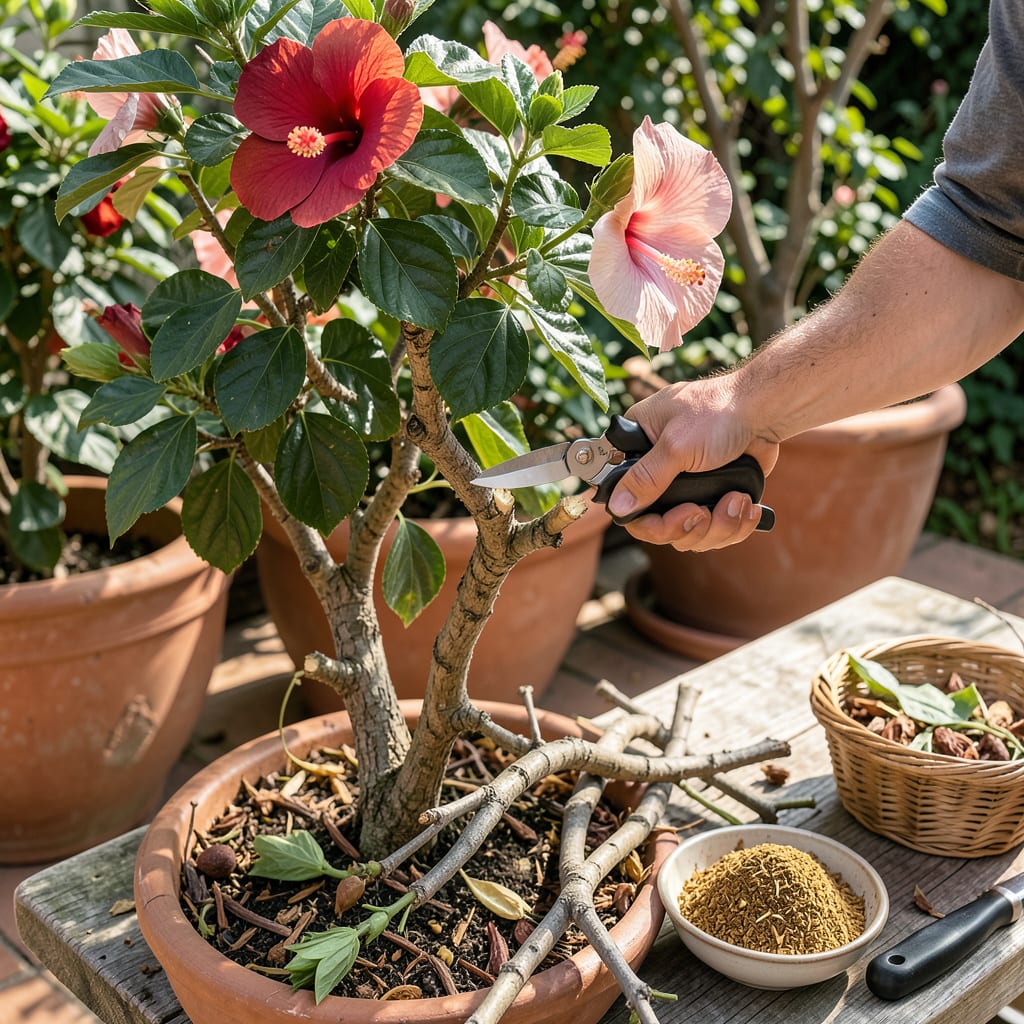
I used to think pruning hibiscus was just about keeping plants tidy—until I saw what happened after my first proper pruning session. The difference was shocking: twice as many blooms, thicker stems, and a shape that actually fit my garden space. This isn’t just maintenance—it’s how you unlock your plant’s full potential.
Timing and technique matter more than you’d think. Cut too late, and you risk losing next season’s flowers. Do it right, and you’ll get a bushier plant that resists disease and pests better. The best part? It takes less than 20 minutes with the right approach, and the results last all growing season.
📚 In This Guide
Pruning hibiscus doesn’t have to be intimidating—here’s how I do it to get the best results every time.
Timing is everything with hibiscus. I always prune in late winter or early spring, just before new growth starts. This gives the plant time to recover and produce flowers on the new branches. If you prune too late in spring, you risk cutting off potential flower buds.
For tropical hibiscus (the kind with glossy leaves), you can prune anytime except during extreme heat or cold. Hardy hibiscus (the ones that die back in winter) should only be pruned in spring after you see new shoots emerging from the ground. Never prune in fall—this stimulates tender new growth that winter will kill.
Start by cutting out anything that’s clearly dead or diseased. Dead branches will be brittle and brown inside when you scratch the bark. Diseased wood often shows discoloration or unusual spots. Use clean, sharp pruners and make cuts at a 45-degree angle just above a healthy bud or branch junction.
Next, look for branches that rub against each other or grow inward toward the center. These create wounds where pests and diseases can enter. Remove the weaker of any crossing branches completely. You should be able to see through the center of the plant when you’re done—this improves air circulation and reduces disease risk.
Now for the fun part—shaping your hibiscus. I cut back the remaining healthy branches by about one-third of their length. This might seem aggressive, but hibiscus respond well to hard pruning. Make each cut just above a leaf node (where a leaf attaches to the stem) that faces outward—this encourages the new growth to spread nicely.
For a more formal shape, prune to maintain a rounded outline. For a natural look, follow the plant’s growth pattern but thin out congested areas. Step back frequently to check your progress from different angles. Remember, hibiscus bloom on new wood, so this pruning will actually give you more flowers, not fewer.
Remove all cut material from around the plant—don’t leave it as mulch. Hibiscus debris can harbor pests and diseases. I like to wipe my pruners with rubbing alcohol between cuts if I’ve removed diseased wood to prevent spreading any problems.
After pruning, give your hibiscus a balanced fertilizer (like 10-10-10) to support the new growth. Water deeply to help the plant recover from the stress of pruning. Within 2-3 weeks, you should see vigorous new shoots emerging. These will be the branches that produce your summer flowers, so this is when your pruning work really pays off.
Keep an eye on your hibiscus as it grows. I do light maintenance pruning throughout summer, removing any dead flowers (deadheading) to encourage more blooms. If you see any branches growing in odd directions or getting too long, you can trim them back by a few inches to maintain the shape.
Watch for signs of stress after pruning—yellowing leaves or wilting could mean you pruned too aggressively or the plant needs more water. But don’t worry, hibiscus are tough. Even if you make a mistake, they usually bounce back quickly. The key is regular, thoughtful pruning rather than waiting until the plant becomes overgrown and then doing drastic cuts.
Pruning hibiscus becomes much easier once you understand these key techniques and avoid common pitfalls.
The Timing Factor: I can’t stress enough how crucial the late winter or early spring window is for pruning. This timing aligns perfectly with the plant’s natural growth cycle, giving it the entire growing season to recover and produce new flowering branches. If you’re working with tropical hibiscus, remember they’re more flexible—just avoid pruning during extreme temperatures when the plant is already stressed.
Cutting Technique: The 45-degree angle cut mentioned in Step 2 isn’t just for aesthetics—it’s functional. This angle allows water to run off the cut surface rather than pooling, which prevents rot. Always make your cut just above an outward-facing bud or leaf node. This small detail makes a huge difference in how your plant regrows, directing new branches outward for better air circulation and sunlight exposure.
Pruning Confidence: Many gardeners hesitate to cut back branches by one-third as suggested in Step 3, fearing they’ll harm the plant. Trust me on this—hibiscus are remarkably resilient. That one-third reduction stimulates vigorous new growth that will be stronger and produce more flowers. I’ve found that plants pruned aggressively actually outperform those given just a light trim in terms of both bloom quantity and plant health.
Aftercare Matters: Don’t underestimate the importance of the post-pruning care mentioned in Step 4. That deep watering isn’t just about hydration—it helps wash away any potential pathogens that might have entered through fresh cuts. And the balanced fertilizer gives your plant the nutrients it needs to push out those new flowering shoots you’ll see in 2-3 weeks. I’ve noticed plants that receive this immediate aftercare recover twice as fast as those that don’t.
The ideal time is late winter or early spring (just before new growth starts) for tropical hibiscus. For hardy hibiscus, prune in late fall or early spring after the last frost. Avoid pruning in extreme heat or cold—this stresses the plant!
You can safely remove up to one-third of the plant’s total growth in a single pruning session. For overgrown plants, spread pruning over 2-3 seasons. Always cut just above a leaf node (where branches meet) to encourage new growth.
Tropical hibiscus (glossy leaves, year-round blooms) needs light, frequent pruning to shape it. Hardy hibiscus (dies back in winter) should be cut down to 6–12 inches in late fall or early spring—it regrows from the roots!
Over-pruning (removing too many flower buds) or pruning at the wrong time (like mid-summer) can delay blooms. Ensure your plant gets 6+ hours of sunlight daily and fertilize with a high-phosphorus feed to boost flowers.
For small touch-ups, hedge trimmers work, but hand pruners are best for precise cuts. Trimmers can shred stems, making the plant vulnerable to disease. Always sanitize tools with rubbing alcohol before use!
