
Beautiful Plants For Your Interior
Beautiful Plants For Your Interior
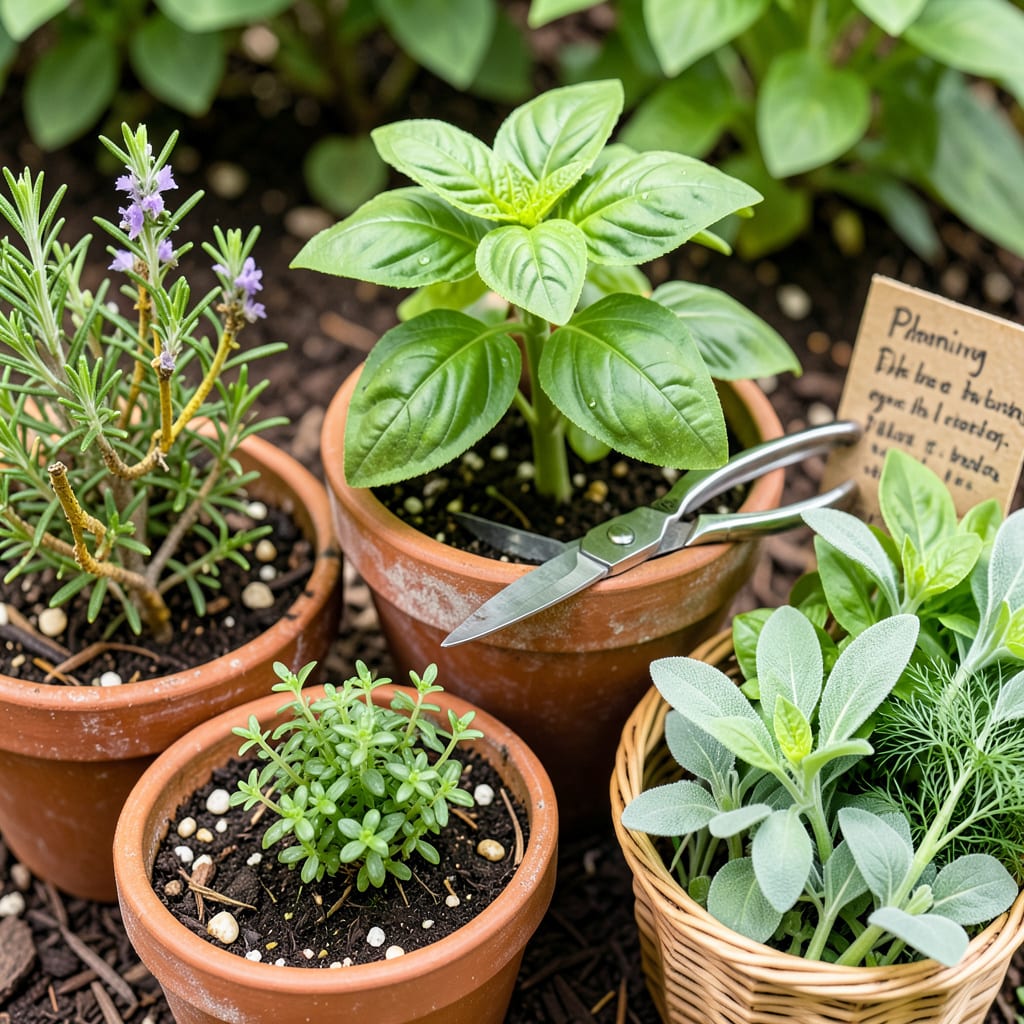
I used to think pruning herbs was optional—until I watched my basil turn into a leggy, sad mess. The truth? Regular pruning is the secret to bushier plants with more flavorful leaves, and it takes less than 5 minutes per plant once you know how. No fancy tools required, just sharp scissors and a little confidence.
What changed everything for me was realizing that herbs want to be pruned—it triggers new growth. Basil, mint, and rosemary respond differently, but the core rule stays the same: cut just above a leaf node, and your plant will double its production. The first time I did it right, my thyme went from scraggly to thriving in two weeks.
📚 In This Guide
Pruning herbs the right way transforms scraggly plants into lush, productive powerhouses—here’s exactly how I do it.
Start pruning when your herb plants reach 6-8 inches tall with multiple sets of leaves. This usually happens about 4-6 weeks after planting for fast growers like basil, or when established plants show vigorous new growth in spring. I always check for healthy green stems—yellowing or woody growth means the plant needs attention, not pruning.
For annual herbs like cilantro and dill, begin pruning as soon as they develop 4-6 true leaves. Perennial herbs (rosemary, thyme, oregano) benefit from spring pruning just as new growth appears. Never prune more than one-third of the plant at once—this prevents shock and allows quick recovery.
Find the tiny bumps where leaves meet the stem—these are growth nodes. Your cuts should always be made 1/4 inch above a node, angled slightly away from it. This precise placement encourages bushier growth by signaling the plant to branch at that point. I use my fingernail to feel for the slight ridge that indicates a healthy node.
On woody herbs like rosemary, look for soft green growth rather than old brown wood. Cutting into woody sections won’t regrow. For leafy herbs like basil, pinch just above where two large leaves meet the main stem. You’ll see new side shoots emerge within 7-10 days if done correctly.
For soft-stemmed herbs, simply pinch between your thumbnail and forefinger. The stem should snap cleanly without tearing. I rotate my fingers slightly as I pinch to ensure a clean break. For tougher stems (rosemary, thyme), use sharp scissors or pruning shears—make one decisive cut rather than sawing.
Always prune from the top down, removing the newest growth first. This maintains the plant’s natural shape while encouraging fuller growth at the base. After each cut, step back and check the plant’s balance—you want even growth on all sides. I like to turn the pot as I work to spot any missed opportunities.
After your initial pruning, check plants every 2-3 weeks during active growth. Pinch back any stems growing significantly taller than others to maintain shape. I find that herbs like mint and oregano respond especially well to frequent light pruning—they’ll reward you with denser foliage and more flavorful leaves.
For flowering herbs (basil, cilantro), remove any flower buds immediately—they signal the plant to stop leaf production. You’ll notice the leaves taste stronger after pruning as the plant focuses energy on foliage rather than flowers. Always water lightly after pruning to help the plant recover, but don’t soak—just moisten the top inch of soil.
The best part about pruning herbs? You get to use what you’ve trimmed. Gather your cuttings and remove any damaged leaves. For soft herbs, I bundle stems and store them in a glass of water on the counter—most will keep for 3-5 days this way. Woody herbs like rosemary can be hung to dry in small bunches.
Use your fresh herbs immediately for the best flavor. The act of pruning actually increases essential oil production, so you’ll notice more intense aroma and taste. I always prune in the morning when oils are most concentrated. Regular harvesting through pruning means you’ll have fresh herbs all season while keeping plants at their healthiest.
Pruning herbs isn’t just about cutting back growth—it’s about encouraging the right kind of growth. Here’s what I’ve learned from years of keeping my herb garden thriving.
Timing is Everything: That 6-8 inch height mentioned in Step 1 is critical. I’ve found that pruning too early (before plants develop multiple leaf sets) can stunt growth, while waiting too long leads to leggy plants. For annuals like basil, start as soon as you see 4-6 true leaves—this is when the plant has enough energy to recover quickly. The 4-6 week mark is perfect for fast growers, but watch your plants, not the calendar.
Node Location Technique: In Step 2, when you’re looking for those growth nodes, here’s what nobody tells you—sometimes they’re hidden under leaves. Gently push aside foliage to find the tiny bumps where leaves meet the stem. That 1/4 inch above the node measurement isn’t arbitrary; cutting too close can damage the node, while cutting too far prevents proper branching. I use my fingernail to measure—it’s naturally about 1/4 inch wide.
Tool Selection Matters: For Step 3, don’t underestimate the importance of sharp tools. Dull scissors crush stems instead of cutting cleanly, which can introduce disease. I keep a small pair of herb-specific pruners that I clean with rubbing alcohol between plants. For soft herbs like cilantro, your fingernails are actually the best tool—they create the perfect pinch without bruising the stem.
Maintenance Schedule: The 2-3 week check-in mentioned in Step 4 isn’t just a suggestion—it’s the sweet spot for most herbs. I set phone reminders because it’s easy to forget when life gets busy. For aggressive growers like mint, you might need weekly attention. After pruning, that light watering (just the top inch of soil) makes a surprising difference in recovery time.
Yes! Clean, sharp kitchen scissors work fine for soft-stemmed herbs like basil or parsley. Just sanitize them with rubbing alcohol first to prevent disease. For woody herbs (rosemary, thyme), pruning shears give cleaner cuts and reduce stem damage.
Early morning is ideal —plants are hydrated, and cuts heal faster before midday heat. Avoid pruning in direct sunlight or when herbs are wilting (like late afternoon). Overcast days work too!
Don’t panic! Light browning is normal (like a scab). If yellowing spreads, you may have over-pruned (never remove >⅓ of the plant) or used dull tools. Trim damaged leaves and ensure proper watering.
Indoor herbs need more frequent, lighter pruning (every 2–3 weeks) since they grow slower. Focus on pinching back leggy stems to encourage bushiness. Rotate pots weekly for even light exposure!
Many herbs (mint, basil, oregano) root easily in water. Strip lower leaves, place stems in a jar, and change water every 3–4 days. Transplant once roots reach 2–3 inches long.
