
Beautiful Plants For Your Interior
Beautiful Plants For Your Interior
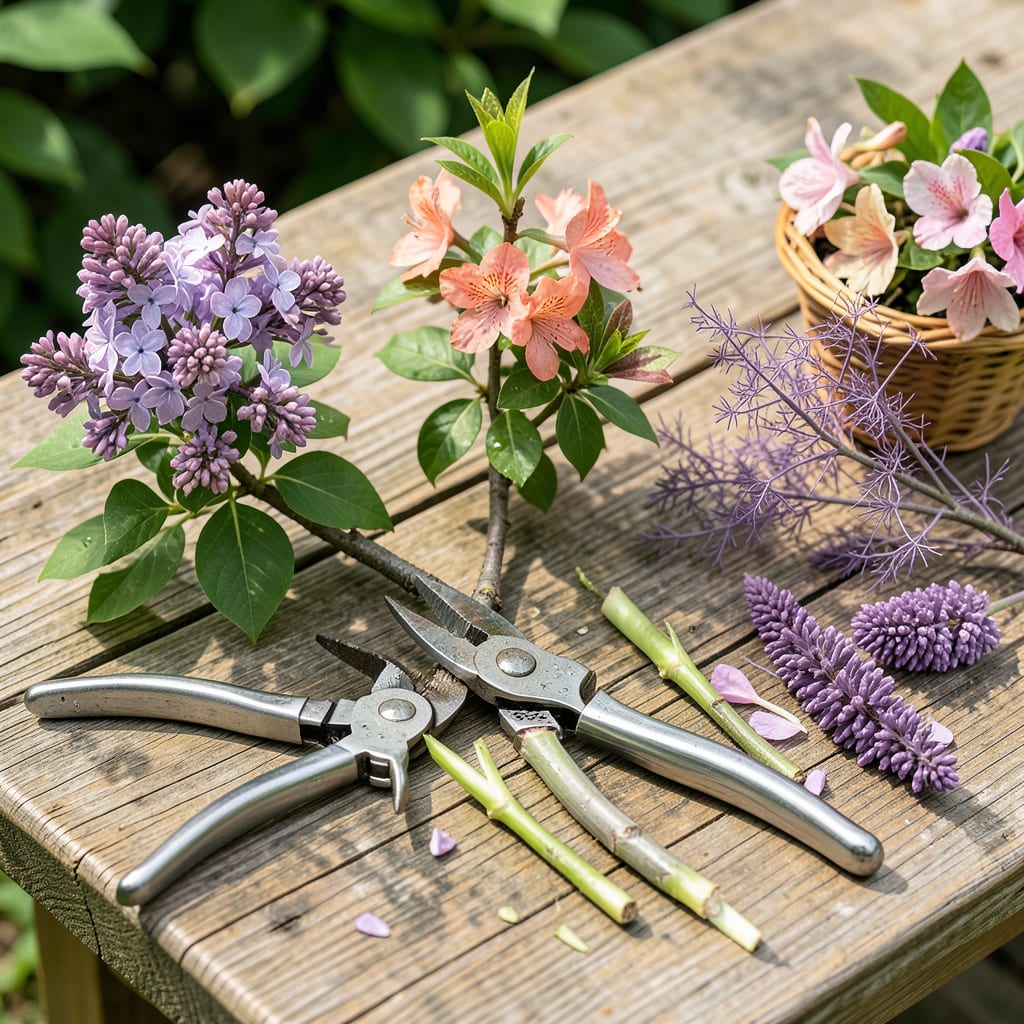
I used to think pruning was just about making plants look neat—until I saw what it did for my roses. The difference between a wild, leggy bush and one covered in vibrant blooms all season? A few strategic cuts at the right time. Pruning isn’t just maintenance; it’s how you tell your plants exactly where to put their energy.
You don’t need fancy tools or years of experience to get this right. With a sharp pair of pruners, a little confidence, and the right timing (hint: most flowers have a sweet spot in early spring or after their first flush), you’ll coax out more flowers than you thought possible. The best part? Plants actually thrive on this kind of attention—like they’ve been waiting for someone to finally give them direction.
📚 In This Guide
Pruning isn’t just maintenance—it’s how you turn good blooms into spectacular ones. Here’s my method for doing it right.
Timing matters more than technique. For spring-blooming flowers like lilacs or azaleas, prune immediately after blooming—they set next year’s buds in summer. Summer bloomers like roses or butterfly bush get pruned in late winter or early spring before new growth starts.
Here’s the thing—if you prune spring bloomers in fall, you’ll cut off all the flower buds. I always check for swollen buds along the stems first. Those are next season’s flowers waiting to open.
Make cuts at a 45-degree angle just above an outward-facing bud or leaf node. This directs new growth away from the plant’s center, improving air circulation. For deadheading (removing spent blooms), cut back to the first set of healthy leaves or the next branching stem.
Never leave stubs—they invite disease. I use bypass pruners (not anvil style) because they make cleaner cuts that heal faster. Wipe blades with rubbing alcohol between plants to prevent spreading pathogens.
For shrubs, never remove more than one-third of the total growth in a single pruning session. With perennials, cut back to 6-8 inches above ground level after the first hard frost. Annuals benefit from regular deadheading—pinch off faded blooms weekly to encourage continuous flowering.
Real talk: It’s better to prune too little than too much. You can always cut more later, but you can’t put growth back. I step back every few cuts to assess the plant’s shape from different angles.
Start by removing any dead, diseased, or crossing branches first. Then work on shaping: aim for an open center that allows light and air to reach inner branches. On climbing flowers like clematis, prune to maintain the desired height while keeping the base vigorous.
You’ll know you’ve done it right when the plant looks balanced but not over-manicured. I always leave some older growth—it provides energy for new shoots. After pruning, water deeply to help the plant recover.
Remove all cut material from around the plant—decaying leaves can harbor disease. For woody stems, I make a second cut if the first leaves a ragged edge. Always disinfect pruners after use with a 10% bleach solution or rubbing alcohol to prevent spreading problems between plants.
Store tools in a dry place. Dull blades crush stems instead of cutting cleanly, so I sharpen mine every few months with a fine file. Proper maintenance makes the next pruning session easier and healthier for your plants.
Pruning can feel intimidating, but these practical insights will help you avoid common pitfalls while maximizing your blooms.
The Timing Secret: That window of immediately after blooming for spring flowers isn’t arbitrary—it’s when plants redirect energy from fading blooms to next year’s buds. I mark my calendar the moment my lilacs finish flowering so I don’t miss this critical 2-3 week period. Missing it means sacrificing next season’s flowers. For summer bloomers, that late winter timing (just before buds swell) prevents cutting off emerging growth while still allowing time for recovery before flowering.
Tool Selection Matters: The difference between bypass pruners and anvil pruners isn’t just preference—it’s plant health. Bypass pruners make clean cuts that heal quickly, while anvil pruners can crush stems, creating entry points for disease. I keep a small bottle of rubbing alcohol in my tool belt to disinfect blades between plants, especially when working with roses that are prone to fungal issues. A quick wipe takes seconds but prevents weeks of potential problems.
Visual Assessment Technique: That “one-third of total growth” rule in Step 3 isn’t about strict measurement—it’s about maintaining the plant’s energy balance. Here’s how I judge it: stand back and visualize dividing the plant into three equal sections. Only the outermost third gets removed. For perennials, that 6-8 inches above ground guideline ensures you’re leaving enough foliage to photosynthesize and feed the roots through winter. I use my hand span (about 7 inches) as a quick measuring guide in the garden.
Recovery Protocol: What you do after pruning is just as important as the cuts themselves. The deep watering mentioned in Step 4 isn’t optional—it helps the plant recover from the stress of pruning and encourages new growth. I add a layer of mulch around the base (but not touching the stems) to retain moisture and protect roots. For heavily pruned shrubs, a balanced fertilizer applied after new growth appears gives them the nutrients needed to rebound strongly.
Timing depends on the plant type! Spring-blooming flowers (like lilacs or azaleas) should be pruned right after they bloom. Summer/fall bloomers (like roses or hibiscus) thrive when pruned in late winter or early spring. Avoid pruning in extreme heat or before frost—stress weakens plants.
Regular scissors work in a pinch, but they’re risky! Dull blades crush stems, inviting disease. Pruning shears (bypass type) make clean cuts that heal faster. If using scissors, disinfect blades with rubbing alcohol and choose thin-stemmed plants like herbs or petunias.
Follow the ⅓ rule: Never remove more than one-third of the plant at once. Over-pruning shocks roots and stunts growth. Focus on dead/diseased stems first, then shape lightly. For shrubs, thin out old wood gradually over 2–3 years for safer rejuvenation.
Three common culprits: Wrong timing (cutting off next season’s buds), over-pruning (removed too many flower sites), or stress (drought/poor soil). Check your plant’s bloom cycle—some (like hydrangeas) flower on old wood. If unsure, wait a season and adjust your approach.
Pinching (using fingers to snip tips) encourages bushier growth and delays blooming slightly—great for annuals like coleus or mums. Pruning (cutting stems/branches) shapes the plant, removes deadwood, and rejuvenates woody plants. Use pinching for herbs/annuals and pruning for shrubs/perennials.
