
Beautiful Plants For Your Interior
Beautiful Plants For Your Interior
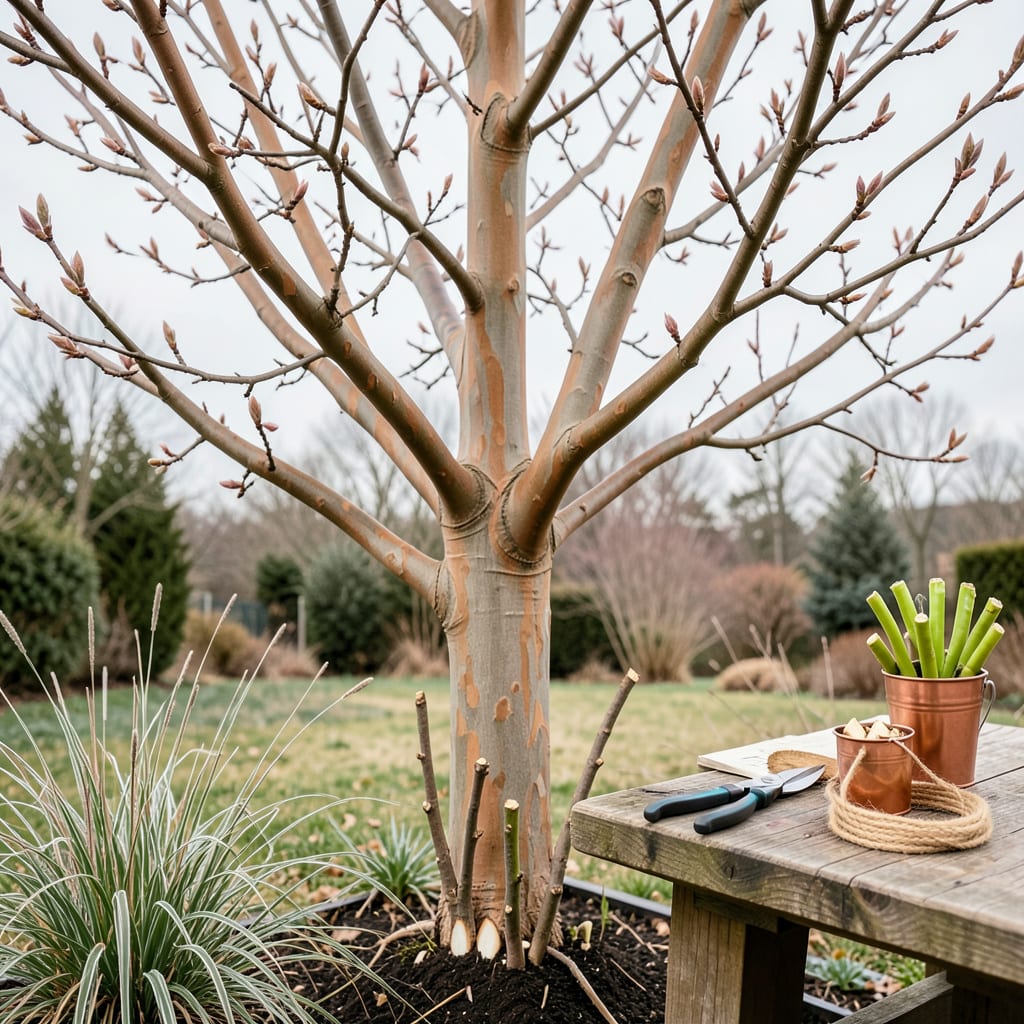
I used to cringe every time I saw someone hack their crepe myrtle into stubby nubs. Then I learned the right way—pruning these trees isn’t about butchering them, but guiding their growth for explosive summer blooms and a shape that actually complements your landscape. The difference between proper pruning and “crepe murder” is night and day.
Timing and technique matter more than you’d think. Do it right in late winter, and you’ll get stronger branches, more vibrant flowers, and a tree that resists disease. Do it wrong, and you’re stuck with weak growth and sad little blooms. I’ll show you exactly where to cut—and where to leave well enough alone.
📚 In This Guide
Here’s my foolproof method for shaping your trees while encouraging those stunning summer blooms you love.
Late winter or early spring—just before new growth starts—is ideal for pruning. I wait until all danger of hard frost has passed but before leaf buds swell. This timing minimizes stress while letting you see the branch structure clearly.
Gather sharp bypass pruners (anvil pruners crush stems) and a pruning saw for thicker branches. I keep rubbing alcohol and a clean rag nearby to disinfect tools between cuts—this prevents spreading diseases between plants.
Start by cutting any suckers growing from the base or along the trunk. These steal energy from the main plant and create a messy shape. Next, look for branches that rub against each other or cross through the center.
Remove the weaker of any crossed branches completely at its base. You’ll see the difference immediately—the tree’s interior opens up, improving air circulation and reducing disease risk. Don’t leave stubs; always cut flush with the trunk or main branch.
Step back and examine the tree’s overall shape. Remove about one-third of the smallest, weakest branches from crowded areas. Focus on keeping branches that grow outward rather than inward.
Here’s the thing—you’re not giving the tree a “haircut.” Selective thinning creates space for air and light to reach the center, which means more blooms and fewer fungal problems. I aim for a balanced shape where branches are spaced 6-12 inches apart.
Now focus on the outer canopy. Prune back the tips of remaining branches by about 1-2 feet, cutting just above an outward-facing bud. This encourages the tree to grow wider rather than taller.
Real talk: Avoid the “crepe murder” look—never cut everything back to stubs. Instead, make each cut at a slight angle about ¼ inch above a bud. The new growth will follow the direction that bud faces, so choose wisely.
Rake up all debris immediately—fallen leaves and branches can harbor pests. I like to spread a thin layer of mulch (about 2-3 inches deep) around the base afterward, keeping it 6 inches away from the trunk.
Watch for new growth in 4-6 weeks. If you see multiple shoots growing from one cut, remove all but the strongest one. This prevents overcrowding before it starts and keeps your tree’s energy focused on producing those spectacular summer blooms.
Pruning crepe myrtles properly makes all the difference between a struggling tree and one that bursts with summer blooms. Here’s what I’ve learned from years of shaping these beauties.
The Timing Window: That sweet spot in late winter/early spring before leaf buds swell is everything. I’ve found that pruning too early (before the last frost) risks cold damage to fresh cuts, while waiting until buds open means you’ll cut off potential flower clusters. Watch your local weather and aim for that 2-3 week window when daytime temps consistently stay above freezing but leaves haven’t started emerging.
Tool Maintenance: Sharp bypass pruners aren’t just a suggestion—they’re essential. I sharpen mine before each pruning session because dull blades crush rather than cut, creating jagged wounds that take longer to heal. Keep that rubbing alcohol handy too; I wipe my blades between every few cuts, especially when moving between different trees. This simple step prevents spreading diseases that could ruin your tree’s health.
Branch Selection Strategy: When thinning crowded areas in Step 3, focus on removing branches that grow inward or cross others. Here’s what nobody tells you—those inward-growing branches will never produce good blooms because they’re shaded by the canopy. I always prioritize keeping branches that angle outward at about 45 degrees—they’ll give you the best flower display and strongest structure.
Cut Placement: That ¼ inch above a bud detail in Step 4 is critical. I learned this the hard way after making cuts too close to buds and killing the new growth. The angle matters too—cut at about 45 degrees with the high side away from the bud. This helps water run off instead of pooling on the cut surface, which prevents rot and encourages faster healing.
Late winter (January–February) is ideal! Prune just before new growth starts but after the last frost. Avoid fall pruning—it can stimulate tender growth vulnerable to cold damage. In warmer zones (8-10), you can prune up to early March.
Never remove more than 25-30% of the canopy in one season. Focus on thinning inner branches and cutting back last year’s growth by 12–18 inches. Over-pruning (“crepe murder”) weakens the tree and reduces blooms. Use the “1/3 rule”: trim no more than 1/3 of any single branch.
Pollarding (cutting back to thick “knuckles” yearly) is not ideal for crepe myrtles—it creates weak, knobby growth. Proper pruning thins the canopy, removes cross-branches, and shapes naturally for stronger blooms. Avoid “topping” at all costs! Stick to selective cuts for health and aesthetics.
Common culprits: pruning too late (after buds form), over-trimming (removing flower buds), or using dull tools (ragged cuts stress the tree). If blooms are sparse, check for suckers (shoots at the base) stealing energy. Next season, prune earlier and leave more old wood—buds form on new growth!
Only for large, thick branches (3+ inches)—and with caution! A pruning saw or loppers are safer for most cuts. Chainsaws risk tearing bark or over-cutting. Always sterilize blades (10% bleach solution) to prevent disease. For small trees, hand tools are your best bet!
