
Beautiful Plants For Your Interior
Beautiful Plants For Your Interior
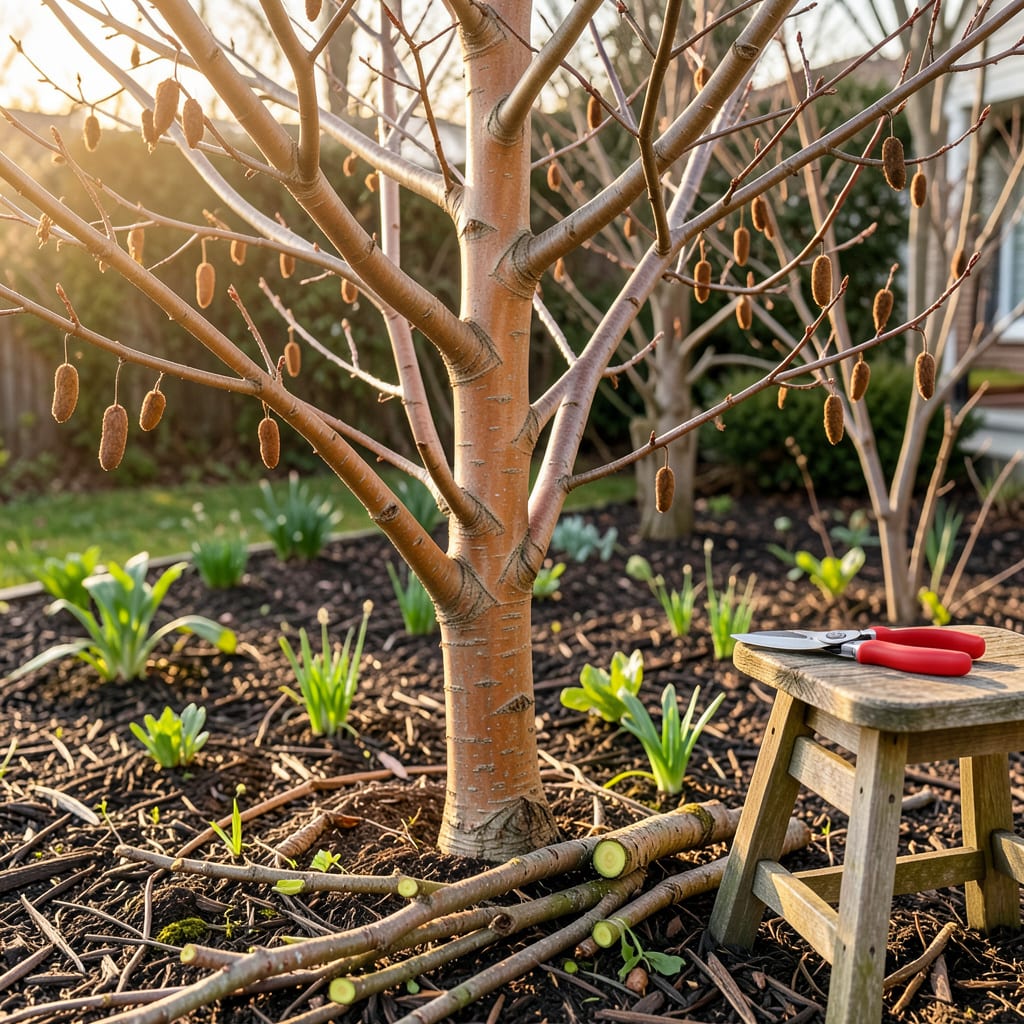
Late winter is when the magic happens for crape myrtles. I used to think pruning was just about keeping them tidy—until I saw how the right cuts transform a scraggly tree into a bloom machine. The difference between a properly pruned crape myrtle and one that’s been hacked back is night and day: we’re talking doubled flower clusters, stronger branches, and that perfect vase shape that makes them the star of summer landscapes.
Timing matters just as much as technique. Do this in February or early March, before new growth starts but after the worst frost. You’ll work with clean cuts that heal fast, setting up months of explosive growth. The best part? Even if you’ve never pruned before, this method is straightforward—no fancy tools, no complicated rules, just a few key principles that deliver results every season.
📚 In This Guide
This method transforms leggy shrubs into vibrant, flower-packed specimens—without the guesswork.
Late winter is ideal, just before new growth starts. I wait until February or early March when the worst frost has passed but buds haven’t opened. You’ll see last year’s seed pods still clinging to branches—that’s your signal the plant is dormant and ready.
Avoid pruning in fall or during active growth. Fall cuts stimulate tender new growth that winter kills. Summer pruning removes flower buds and wastes next year’s blooms. The perfect window is when branches are bare but showing slight swelling at the tips.
Start at the base and work upward. Those thin, whippy shoots emerging from the trunk or roots? Those are suckers. Snap them off cleanly where they meet the main stem—they’ll never produce good blooms and just drain energy.
Next, look for branches rubbing against each other or growing inward toward the center. Remove the weaker of any crossed pair with a clean cut just outside the branch collar (that slightly swollen ring where branch meets trunk). This prevents wounds that invite disease.
Step back and examine the plant’s shape. Your goal is an open, vase-like structure that lets air and light penetrate. Remove about one-third of the oldest stems—cutting them right at ground level. Focus on thick, woodier branches that produce fewer flowers.
Never leave stubs. Each cut should be flush with either the trunk or a larger branch junction. I use bypass pruners for clean cuts that heal quickly. After thinning, you should see daylight through the center when looking at the plant from any angle.
Now focus on the branches you’re keeping. Shorten each by cutting back to a bud or side branch that faces outward. This encourages growth away from the center. Make cuts at a 45-degree angle, about 1/4 inch above a bud—this prevents water pooling on the cut surface.
Avoid the “crape murder” temptation to hack everything to uniform stumps. Instead, vary cut lengths to create a natural, layered look. The tallest remaining branches should be 6-8 feet tall for standard varieties. You’ll see new growth emerge within weeks, bushier and more floriferous than before.
Rake up all debris immediately—fallen leaves and branches can harbor pests. I like to spray the pruning tools with rubbing alcohol between cuts to prevent spreading any potential disease. Water the plant deeply after pruning to help it recover from the stress.
Watch for new shoots to emerge in 2-3 weeks. If you see multiple stems sprouting from one cut, thin them to the strongest one when they’re 6 inches tall. This prevents overcrowding before it starts. The first blooms will appear 60-90 days after pruning, often larger and more abundant than unpruned plants.
These practical insights will help you avoid common pruning pitfalls and achieve healthier, more vibrant plants.
Timing Precision: The February to early March window mentioned in Step 1 isn’t arbitrary—it’s when the plant is fully dormant but preparing for spring growth. I’ve found that pruning just as the buds begin to swell (but before they open) gives the best results. If you wait until leaves appear, you’ll lose potential blooms. Conversely, pruning in December during deep dormancy can leave cuts vulnerable to winter damage.
Tool Selection: While Step 2 mentions using bypass pruners, I can’t stress enough how important sharp tools are. Dull blades crush rather than cut, creating jagged wounds that heal slowly. I sharpen my pruners before each pruning session and keep a small file in my toolkit for quick touch-ups. For thicker branches (over 1 inch), use loppers to make clean cuts without splintering.
Thinning Technique: When removing one-third of the oldest stems in Step 3, focus on the thickest, most woody branches first. These are typically the least productive for blooms. I like to remove stems that are pencil-thick or larger, as thinner branches often produce the most flowers. After thinning, stand back and check that sunlight can reach the center of the plant—this prevents fungal issues and encourages even growth.
Cutting Angles: The 45-degree angle and 1/4-inch clearance above buds mentioned in Step 4 aren’t just suggestions—they’re critical for plant health. Cuts made too close to buds can damage them, while cuts too far away leave stubs that die back. I practice on a few small branches first to get the angle right. Remember, the cut should slope away from the bud so water runs off, not toward it.
Late winter or early spring ( January–March) is ideal—right before new growth starts. Avoid fall pruning, as it can stimulate tender growth vulnerable to frost. If your tree blooms late, delay pruning until after the last freeze in your zone. Pro tip: Check for swollen buds (a sign of impending growth!) before grabbing those shears.
Over-pruning (aka “crape murder” ) won’t kill them instantly, but it stresses the tree, weakens structure, and reduces blooms. Avoid topping or cutting back more than 1/3 of the canopy in one season. Stick to thinning out crossed branches and removing suckers for a healthier, happier tree.
“Crape murder” refers to hacking back branches to stubs (often with a chainsaw ), leaving ugly knobs. Proper pruning means selective cuts to shape the tree, remove deadwood, and improve airflow—never flat-topping! The right way encourages natural growth and more flowers, not a mangled mess.
Light pruning in summer ( June–July) is okay to remove spent blooms (deadheading) or shape lightly, but avoid heavy cuts. Summer pruning may reduce next year’s flowers since crape myrtles bloom on new wood. If it’s overgrown, wait until dormancy for major work—patience pays off!
Nope! Crape myrtles heal naturally, and sealing wounds with tar or paint can trap moisture, leading to rot. Just make clean cuts () at a 45° angle just outside the branch collar. Let the tree do its thing—it’s built to recover!
