
Beautiful Plants For Your Interior
Beautiful Plants For Your Interior
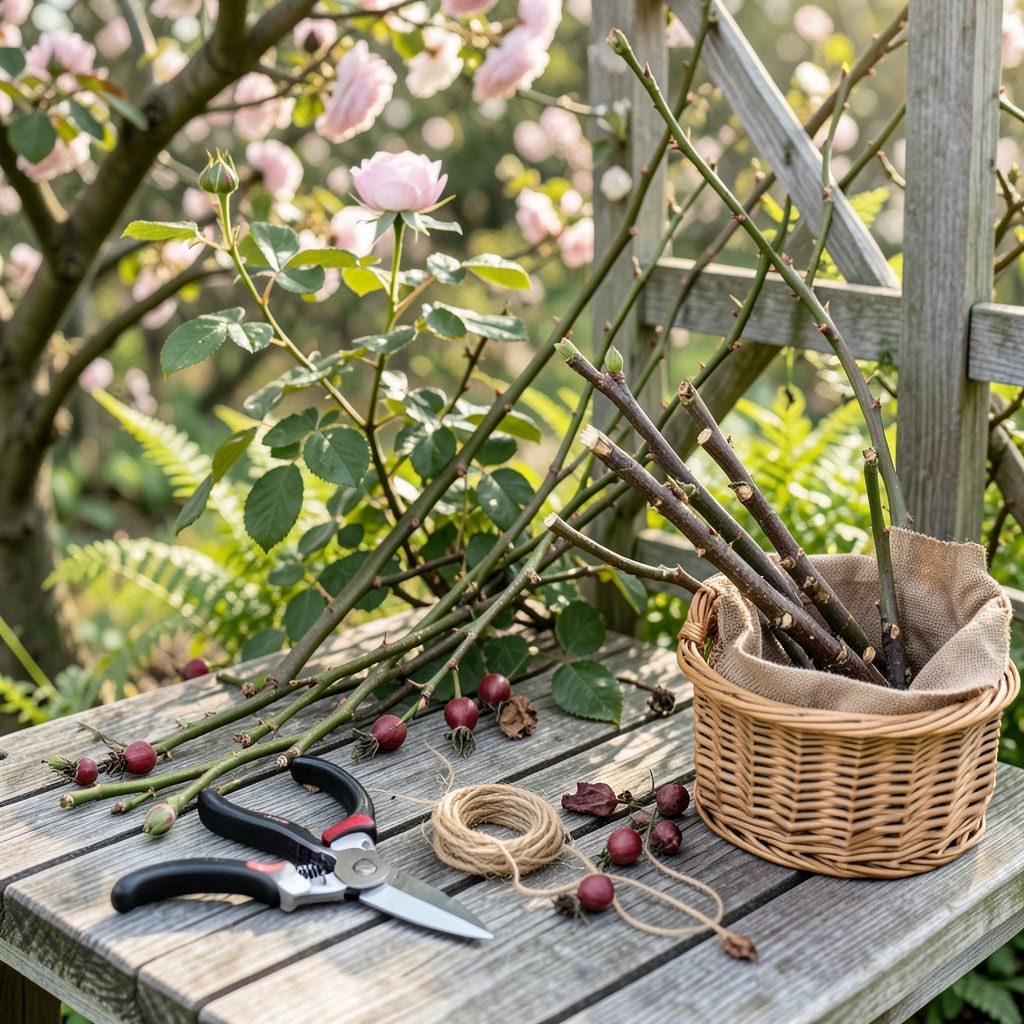
I used to dread pruning my climbing roses—until I learned the right way. That first season I followed these steps, my plants exploded with twice as many blooms and stayed healthier all summer. The secret isn’t complicated tools or perfect timing—it’s knowing exactly where to cut and what to leave alone.
You’ll walk away with a rose that climbs stronger, blooms bigger, and resists disease better than ever. No more guessing which canes to keep or worrying about killing your plant. I’ve pruned dozens of climbers this way, and the results speak for themselves—more flowers, less fuss.
📚 In This Guide
Pruning climbing roses the right way ensures more blooms and healthier plants—here’s how to do it with confidence.
Timing matters more than technique. For most climbing roses, prune in late winter or early spring, just as new growth begins to emerge. You’ll see tiny red buds swelling on the canes—that’s your signal. Avoid pruning in fall, as this encourages tender new growth that winter will kill.
If you’re working with repeat-blooming varieties, you can do a light pruning after the first flush of flowers in summer. But the main annual pruning should always happen in early spring. I mark my calendar for mid-March in my zone 7 garden, adjusting slightly for warmer or cooler years.
Start by cutting out any dead, diseased, or damaged canes at their base. These won’t produce flowers and can harbor pests. Look for canes that are completely brown (not green inside when scratched), shriveled, or showing black spots. Next, remove any thin, weak stems—anything thinner than a pencil won’t support good blooms.
I use sharp bypass pruners (never anvil pruners—they crush stems) and make clean cuts at a 45-degree angle just above an outward-facing bud. This angle helps water run off the cut surface, preventing rot. Don’t be shy—removing up to one-third of the oldest canes each year keeps the plant vigorous.
Now focus on the remaining healthy canes. Climbing roses bloom on old wood, so you want to preserve most of last year’s growth while still shaping the plant. I leave about 5-7 main canes and shorten side branches to 2-3 buds from where they connect to the main cane.
For the main canes themselves, I only prune back by about one-third of their length. This maintains the plant’s height while encouraging new flowering shoots. Always cut just above an outward-facing bud—this directs new growth away from the center, improving air circulation and reducing disease risk.
After pruning, it’s time to train the canes. I fan them out horizontally along their support structure, securing them with soft plant ties. Horizontal canes produce more flowering shoots than vertical ones—a trick I learned from English rose growers. Space the canes evenly, about 6-12 inches apart, to prevent overcrowding.
Don’t pull the canes too tight against their support—leave some slack for growth. I use stretchy fabric ties that won’t cut into the stems as they thicken. This training step is what transforms a tangled mess into a well-structured plant that will reward you with hundreds of blooms.
Rake up all pruned material immediately and dispose of it (don’t compost diseased wood). I spray my pruners with rubbing alcohol between plants to prevent spreading diseases. Then I apply a fresh 2-3 inch layer of mulch around the base, keeping it 6 inches away from the stems to prevent rot.
Finally, I give the plant a balanced fertilizer (10-10-10) to support the new growth I’ve encouraged. Within 4-6 weeks, you’ll see the results of your work as new shoots emerge. The first flowers will appear on these new canes, and you’ll notice significantly better blooming than if you’d skipped pruning.
Pruning climbing roses doesn’t have to be intimidating—these practical insights will help you avoid common pitfalls and get the most blooms from your plants.
Timing Precision: The late winter or early spring window mentioned in Step 1 is absolutely critical. I’ve learned the hard way that pruning too early in winter can leave cuts vulnerable to frost damage, while waiting too long means you’ll cut off new growth. Watch for those tiny red buds swelling on the canes—that’s nature’s perfect timing signal. In my zone 7 garden, mid-March is typically ideal, but adjust based on your local climate patterns and when you see that first sign of new growth emerging.
Tool Selection Matters: The difference between bypass pruners and anvil pruners in Step 2 isn’t just preference—it’s plant health. Bypass pruners make clean cuts that heal quickly, while anvil pruners crush stems, creating entry points for disease. I keep my pruners sharp with a diamond file and clean them with rubbing alcohol between plants. This small effort prevents spreading diseases like black spot between roses. The 45-degree angle cut isn’t just for aesthetics—it helps water run off instead of pooling on the cut surface, which prevents rot.
Can Selection Strategy: When deciding which canes to keep in Step 3, think of your rose like a fruit tree. Those 5-7 main canes you’re leaving should be about as thick as your thumb—any thinner won’t support good blooms. I use the “pencil test”: if a cane is thinner than a standard pencil, it’s not worth keeping. The one-third reduction might seem drastic, but it’s the secret to vigorous new growth. Always cut just above an outward-facing bud to create that open, airy center that prevents fungal diseases.
Training Technique: The horizontal training method in Step 4 isn’t just for looks—it’s based on how roses naturally produce flowers. When canes are horizontal, they produce more flowering shoots along their entire length. I use soft fabric ties that stretch as the canes grow, spacing them about 8 inches apart for most varieties. Don’t pull too tight—leave enough slack for the cane to thicken over the season. This training step is what transforms a tangled mess into a well-structured plant that will reward you with hundreds of blooms rather than just a few at the tips.
The ideal time is late winter or early spring (just before new growth starts) for most climbers. For repeat-blooming varieties, prune after the first flush of flowers fades. Avoid pruning in fall—it can stimulate tender growth that winter may damage.
Never remove more than one-third of the plant in a single season. Focus on dead, diseased, or crossing canes first. Healthy canes can be shortened by 1–2 feet to shape the plant. Over-pruning stresses the rose and reduces blooms.
Light pruning (deadheading or trimming wayward canes) is fine in summer, but avoid heavy cuts. Summer pruning may remove potential blooms. If needed, snip just above a leaf with five leaflets to encourage bushier growth.
Climbing roses bloom on new and old wood—prune to shape and remove dead growth. Ramblers bloom on old wood only—prune right after flowering to avoid cutting next year’s blooms. Check your rose type before snipping!
Common causes: pruning at the wrong time (cutting off flower buds), over-pruning, or poor sunlight (roses need 6+ hours daily). If you pruned old wood on a once-bloomer, you may have removed this year’s flowers. Patience—it may rebound next season!
