
Beautiful Plants For Your Interior
Beautiful Plants For Your Interior
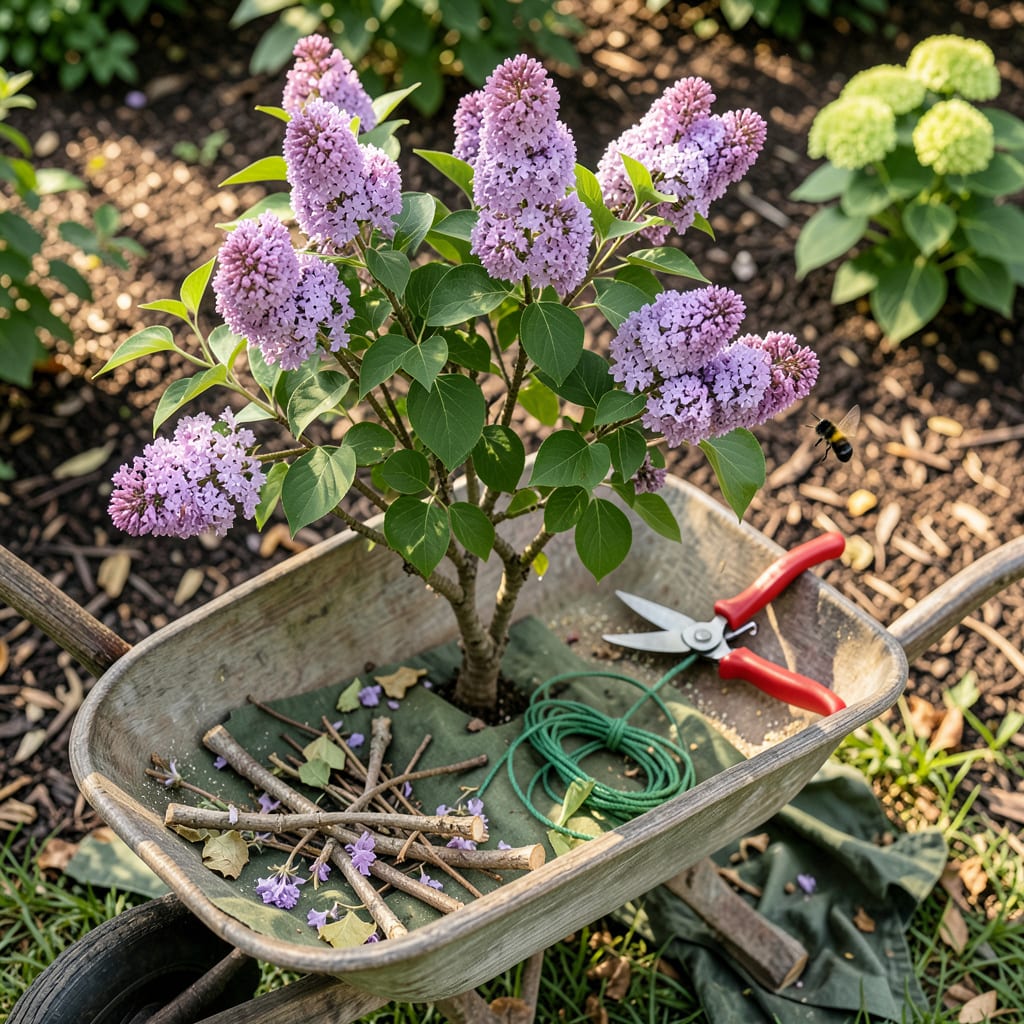
That overgrown bush in your yard isn’t just an eyesore—it’s a missed opportunity. I used to let mine run wild until I realized proper pruning transforms scraggly shrubs into healthy, vibrant plants that actually enhance your landscape. The difference is shocking: better airflow, more flowers, and stronger growth next season.
Here’s the thing—most people prune at the wrong time or make cuts that damage the plant. After ruining a few bushes myself, I learned the simple rules that work every time. You’ll need just three basic tools, 20 minutes, and the confidence to make clean cuts that help (not hurt) your plants. Let’s get those shrubs in shape.
📚 In This Guide
Here’s my simple, no-fail method for shaping bushes that keeps them healthy and looking their best year after year.
Timing matters more than you might think. For flowering shrubs, prune right after they bloom—this gives them time to set next year’s buds. Spring-bloomers like lilacs need immediate post-flower pruning, while summer bloomers can wait until late winter.
Evergreen shrubs and non-flowering bushes are most forgiving. I tackle these in late winter or early spring before new growth starts. You’ll see the plant structure clearly without leaves in the way, making it easier to spot dead or crossing branches.
Start by cutting out anything brown, brittle, or clearly dead—these branches won’t recover and can spread disease. Make clean cuts at a 45-degree angle just above a healthy bud or branch junction. This angle helps water run off instead of pooling on the cut surface.
Next, look for branches that rub against each other or grow inward toward the center. These create wounds that invite pests and block airflow. I always step back after a few cuts to reassess the shape—you’ll notice new problem areas once the worst is gone.
Reach into the center of the bush and remove about one-third of the oldest stems at ground level. This opens up the plant so sunlight and air can circulate. You’ll feel the difference immediately—better airflow means fewer fungal problems later.
Focus on cutting stems that are pencil-thick or thicker. The thinnest growth is usually the newest and most productive. I like to visualize the bush’s natural shape and prune to enhance it rather than fight it—this keeps the plant looking intentional, not hacked.
Now for the artistic part. Make cuts just above a bud facing outward to encourage growth away from the center. This prevents a dense, tangled mess next season. For formal hedges, use string lines as guides to keep everything level.
Avoid the temptation to shear everything into a perfect ball. I’ve found that selective hand-pruning creates stronger growth and more natural beauty. Step back every few minutes—you’ll catch uneven spots better from a distance than up close.
Rake up all clippings immediately—left on the ground, they can harbor disease and pests. I like to spread a thin layer of mulch around the base afterward to protect roots and retain moisture. You’ll see new growth emerge within 2-3 weeks if you’ve pruned at the right time.
Watch for signs of stress like wilting or yellowing leaves in the days after pruning. This usually means you’ve removed too much foliage at once. Next year, you’ll know to prune more gradually. Healthy bushes will reward you with vigorous new shoots and better flowering.
Pruning doesn’t have to be intimidating—these practical insights will help you avoid common pitfalls and get better results every time.
The Timing Factor: In Step 1, when you’re deciding when to prune, remember that flowering shrubs have very specific needs. I’ve ruined blooms by pruning at the wrong time. Spring-bloomers like azaleas and rhododendrons need immediate post-flower pruning, while summer bloomers like butterfly bush can wait until late winter. Evergreens are more forgiving, but I still prefer late winter when their structure is most visible.
Cutting Technique: The 45-degree angle mentioned in Step 2 isn’t just for looks—it’s crucial for plant health. I learned this the hard way when flat cuts on my hydrangeas led to rot. Always make your cut about 1/4 inch above a healthy bud, with the higher side of the angle facing away from the bud. This prevents water from pooling on the cut surface and encourages proper healing.
Thinning Strategy: When removing one-third of the oldest stems in Step 3, focus on the thickest, woodiest growth first. I used to remove random branches until I realized I was taking out the most productive new growth. Look for stems that are darker in color and have less foliage—these are your oldest branches. Removing them opens up space for the younger, more vigorous stems to thrive.
Visual Assessment: The advice in Step 4 about stepping back frequently changed my pruning game. I now make it a habit to walk completely around the bush after every 3-4 cuts. This perspective shift helps me spot uneven areas I’d miss when focusing too closely. For formal hedges, I’ve found that tying strings at the top and sides creates perfect guides for even shaping.
Most bushes thrive when pruned in late winter or early spring (before new growth starts). Flowering shrubs have unique needs: prune spring-bloomers right after flowers fade and summer-bloomers in late winter. Avoid pruning in fall—it can stimulate tender growth vulnerable to frost!
Never remove more than ⅓ of the bush’s total growth in a single season. For overgrown shrubs, spread pruning over 2-3 years to avoid stress. Focus on dead, diseased, or crossing branches first. When in doubt, less is more—you can always trim more later!
Pruning targets health and structure—removing dead/diseased branches or shaping growth. Trimming is for aesthetics, like maintaining hedges or topiaries. Think of pruning as a doctor’s visit and trimming as a haircut!
Don’t panic! Bushes often look sparse post-prune but bounce back in 4-6 weeks. Check for green tissue under the bark (scratch test) or new buds. If branches are brittle and dry, they were likely dead already. Patience is key—most shrubs are resilient!
For small, soft-stemmed bushes (like lavender), you can pinch back growth with your fingers. But for woody shrubs, always use sharp tools (bypass pruners for clean cuts). Dull tools or tearing stems can invite disease. Gloves are also a must for thorny varieties!
