
Beautiful Plants For Your Interior
Beautiful Plants For Your Interior
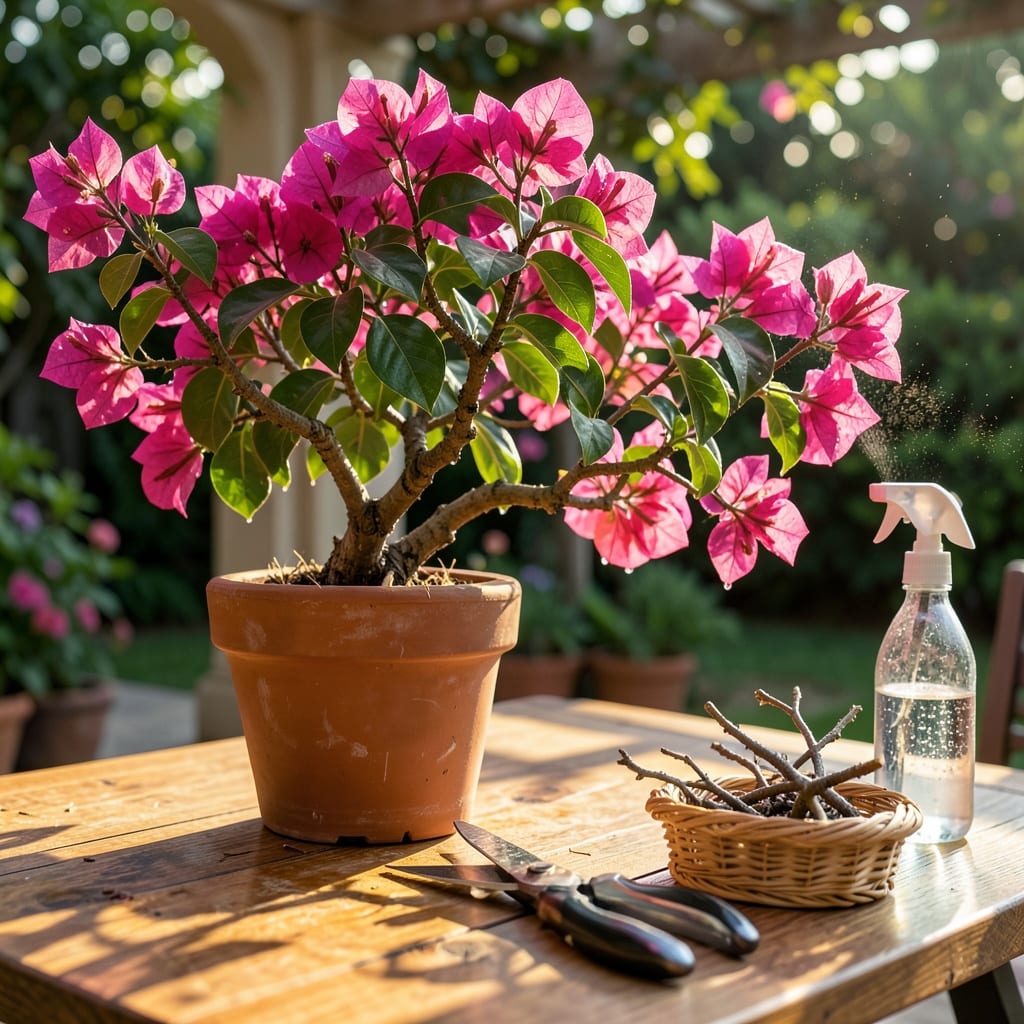
That first time I pruned my bougainvillea, I nearly chickened out. ✂️ These thorny vines look intimidating, but here’s the truth: every cut you make is an invitation for more flowers. Pruning isn’t just maintenance—it’s how you turn a leggy plant into a vibrant, bloom-covered showstopper that neighbors ask about.
Timing matters more than technique. Do it right after a bloom cycle (late winter or early spring for most zones), and you’ll trigger new growth loaded with flower buds. I’ve seen plants go from sparse to spectacular in 6 weeks just by removing the right branches. The secret? Focus on shaping, not shrinking—this plant rewards bold cuts with explosive color.
📚 In This Guide
Here’s how I transform overgrown vines into a floral powerhouse—timing and technique make all the difference.
Bougainvillea blooms on new growth, so prune immediately after each flowering cycle. In warm climates, this means late winter/early spring for the main pruning, then light trims after summer and fall blooms. I never prune during active flowering—you’ll sacrifice current blooms and next season’s buds.
Watch for leaf drop or slowed growth as natural signals the plant is entering dormancy. That’s your window. If you’re in a cooler zone where bougainvillea dies back, wait until all frost danger passes and new shoots appear before making cuts.
Start by cutting out any blackened, brittle, or pest-damaged stems at their base. These won’t recover and only drain energy from healthy growth. I use sterilized bypass pruners (wipe blades with rubbing alcohol between cuts) to prevent spreading disease.
Next, thin out crossing branches that rub against each other—these create wounds that invite fungal infections. Look for stems with peeling bark or oozing sap; these are already compromised and should go. Healthy wood feels firm and shows green tissue when scratched lightly.
Cut back the remaining healthy stems by one-third to one-half of their length, making angled cuts 1/4 inch above an outward-facing bud. This encourages bushier growth and prevents a “witch’s broom” effect of crowded interior branches. I aim for an open vase shape that allows air circulation.
For climbing varieties, select 3-5 main canes to train horizontally along supports, removing all other vertical shoots. Horizontal stems produce more blooms than vertical ones. Step back frequently to check balance—you want even growth on all sides.
Make your final cuts just above a leaf node or dormant bud—this is where new flowering stems will emerge. I leave 4-6 inches of the previous season’s growth on each branch to ensure plenty of flowering wood. Never cut into old, woody stems more than 1/3 of their diameter—this can prevent regrowth.
After pruning, I always scratch the bark lightly on a few stems. If you see green tissue beneath, the plant is healthy. Brown or black indicates the stem is dead and needs further removal. This quick test saves months of waiting for regrowth that never comes.
Water deeply immediately after pruning to help the plant recover, then withhold irrigation until you see new leaf growth (usually 2-3 weeks). This slight drought stress triggers bougainvillea’s natural flowering response. I apply a balanced, slow-release fertilizer (10-10-10) once new shoots reach 2-3 inches long.
Watch for suckers at the base—these steal energy from blooms. Rub them off when small rather than cutting, which can stimulate more growth. Within 6-8 weeks, you’ll see the first colorful bracts forming on the new growth, confirming your pruning success.
Pruning bougainvillea doesn’t have to be intimidating—these insights will help you achieve that explosion of color you’re after.
The Timing Secret: That late winter/early spring window mentioned in Step 1 is absolutely critical. I’ve found that pruning just as daytime temperatures consistently hit 60°F gives the best results. This temperature threshold signals the plant to wake from dormancy while giving you enough time before the first bloom cycle. If you’re in a frost-prone area, wait until you’ve had two consecutive weeks without frost warnings—this gives you that safety buffer the instructions emphasize.
Tool Sanitation Breakthrough: The instructions mention sterilizing pruners, but here’s what changed my game: keep a small spray bottle of 70% isopropyl alcohol handy and spritz blades between every third cut. I learned this after accidentally spreading scale insects between plants—now I never skip this step. The alcohol evaporates quickly, so you’re not leaving moisture that could transfer disease.
Cut Placement Technique: When making those 1/4 inch above outward-facing bud cuts in Step 3, angle your pruners at about 45 degrees with the lower blade closer to the stem. This creates a sloped surface that sheds water away from the bud, preventing rot. I also rotate my cuts around the plant—some facing 10 o’clock, others at 2 o’clock—to create that balanced vase shape mentioned in the instructions.
Post-Pruning Stress Test: The scratch test in Step 4 is brilliant, but I add one more check: gently bend a few stems after pruning. Healthy wood should flex slightly without snapping. If stems break easily, that’s a sign of hidden damage you might have missed. This quick test has saved me from over-pruning plants that were weaker than they appeared.
The ideal time is late winter or early spring (just before new growth starts). Avoid pruning in fall, as this can remove next season’s blooms. In warm climates, light pruning after each bloom cycle keeps plants tidy.
Yes, but never remove more than 1/3 of the plant at once. Overgrown bougainvillea can handle hard pruning in early spring—cut back leggy branches to 6–12 inches from the base. Heavy pruning may delay blooms, so fertilize afterward to encourage recovery.
Over-pruning (especially late in the season) or cutting back flowering spurs (short stems where blooms form) can reduce flowers. Ensure it gets full sun (6+ hours/day) and avoid high-nitrogen fertilizers, which promote leaves over blooms.
Pruning removes larger branches for shape or size control, while pinching (nipping off soft new growth tips) encourages bushier growth and more blooms. Pinch young stems in spring/summer—no tools needed, just your fingers!
Wear thick gardening gloves and long sleeves. Use bypass pruners (not anvil-style) for clean cuts, and hold branches steady with one hand while cutting with the other. For tall plants, tie branches together before pruning to reduce snags.
