
Beautiful Plants For Your Interior
Beautiful Plants For Your Interior
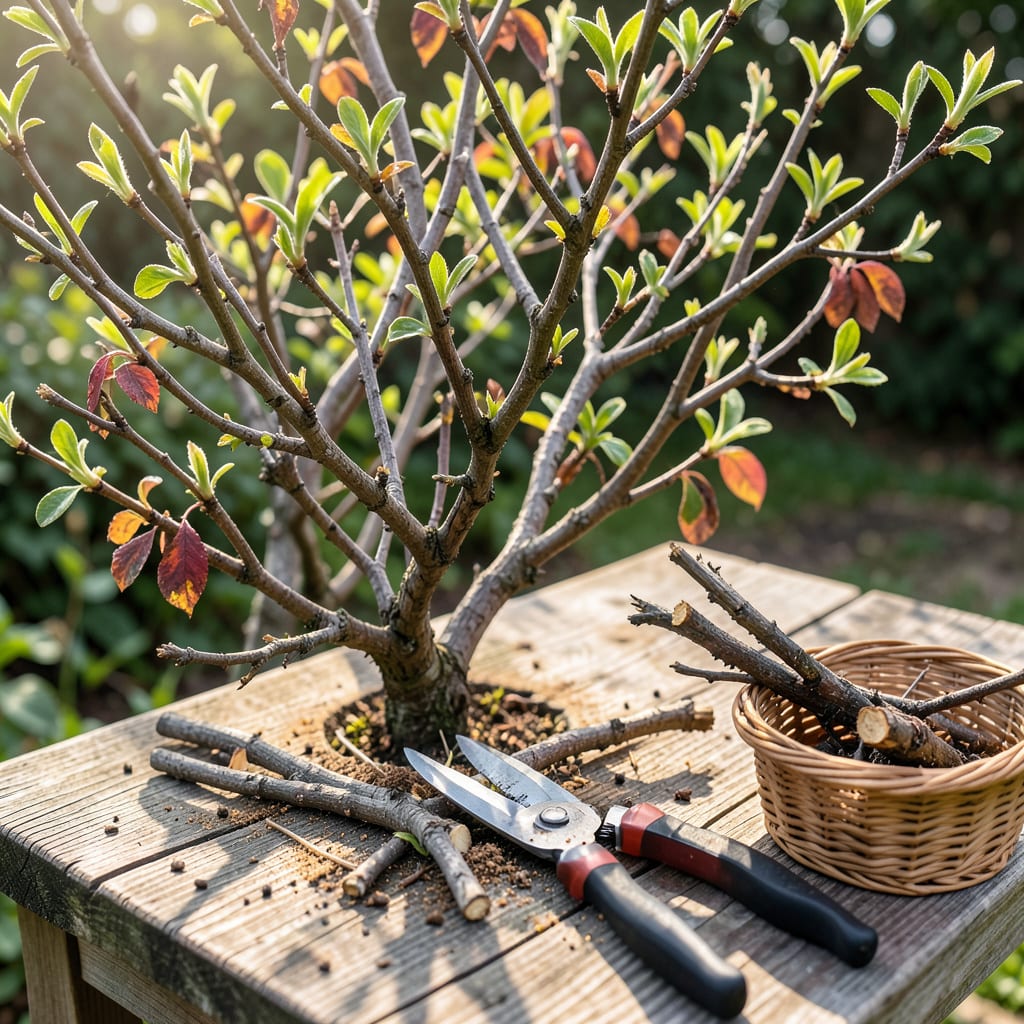
I used to think pruning blueberries was just about cutting back branches—until I saw what proper pruning did to my harvest. The difference between a wild, overgrown bush and one that’s been thoughtfully pruned is shocking: twice the berries, healthier plants, and way fewer pests. It’s not about hacking away; it’s about guiding the plant to focus its energy where it matters most.
Timing and technique are everything. Do it right in late winter, and you’ll set your bushes up for a season of explosive growth. Do it wrong, and you might accidentally cut off next year’s fruit. I’ll show you exactly where to make those cuts—no guesswork, no wasted effort—so your plants reward you with the biggest, sweetest berries they’re capable of producing.
📚 In This Guide
Pruning blueberries isn’t complicated once you know what to look for—here’s my simple method for healthier bushes and more fruit.
Late winter is ideal, just before buds swell but after the worst frost has passed. I prune my blueberries in February or early March, depending on your climate zone. You’ll want sharp bypass pruners (anvil pruners crush stems) and a pair of loppers for thicker branches.
Wear gloves to protect your hands from thorns, and have rubbing alcohol ready to sterilize your tools between cuts. This prevents spreading diseases between plants. A clean tarp under the bush makes cleanup easier and lets you see what you’ve removed.
Start by cutting out any branches that are clearly dead (brittle, gray, or without buds). Next, remove branches showing signs of disease like cankers or discolored bark. These won’t recover and will only spread problems to healthy wood.
Look for thin, weak growth—anything thinner than a pencil can go. These twiggy branches won’t produce quality fruit and just drain energy from the plant. Cut them back to their point of origin. You should see the bush opening up as you remove this material.
Blueberries fruit best on wood that’s 2-4 years old, so your goal is to create space for new productive canes. Remove about one-third of the oldest canes each year, cutting them right at ground level. This encourages fresh growth from the base.
Stand back occasionally to assess the bush’s shape. You want an open vase-like structure that allows sunlight and air to reach the center. If branches are crossing or rubbing, remove the less productive one. The remaining canes should be spaced about 6-12 inches apart.
Now focus on the remaining canes. Shorten overly long branches by cutting just above an outward-facing bud. This encourages the bush to grow wider rather than taller. Aim to keep the center of the bush open—this prevents moisture buildup that leads to disease.
Leave 6-8 strong canes of varying ages on mature bushes. Younger plants (1-3 years) need less aggressive pruning—just shape them lightly to encourage branching. Step back frequently to check your progress; it’s easy to over-prune when you’re in the moment.
Rake up and remove all pruned material from around the bush. Diseased wood should be burned or bagged for trash—never composted. Apply a fresh layer of mulch (pine bark or wood chips work well) to protect roots and retain moisture.
Make notes about which canes you removed and where new growth appeared. Next year, you’ll want to prune differently based on how the bush responded. Water deeply after pruning to help the plant recover, and you’ll see vigorous new growth within 4-6 weeks.
Pruning blueberries the right way makes all the difference between a struggling bush and one that rewards you with abundant fruit. Here’s what I’ve learned from years of trial and error.
The Timing Factor: That February or early March window mentioned in Step 1 isn’t arbitrary—it’s when plants are still dormant but about to wake up. I’ve found that pruning too early (January) risks frost damage to fresh cuts, while waiting until April means you’ll cut off potential fruit buds. Watch for when your buds start to swell but haven’t opened yet—that’s your perfect moment to start pruning.
Tool Maintenance Matters: Between every single cut in Step 2, wipe your pruners with that rubbing alcohol. I learned this the hard way after losing a bush to fungal infection that spread from one diseased branch to healthy ones. Keep a small spray bottle of alcohol handy—it’s faster than walking back to your workbench each time. Sharp tools make cleaner cuts that heal faster, so touch up your pruner blades before starting.
Visual Assessment Technique: When thinning canes in Step 3, here’s what I do: stand back about 6 feet from the bush and squint. This helps you see the overall shape better. You’re aiming for that open vase shape where sunlight can reach the center. I use my pruners as a measuring guide—most handles are about 6 inches long, perfect for checking that 6-12 inch spacing between canes.
Future Growth Strategy: In Step 4, when you’re deciding which buds to cut above, choose outward-facing ones. These will grow away from the center, creating that ideal open structure. I mark my selected buds with a dab of white latex paint before cutting—it’s easier than trying to remember which ones I picked while holding pruners. This small extra step prevents me from accidentally cutting above inward-facing buds.
Prune late winter to early spring (January–March) while bushes are still dormant but before buds swell. Avoid fall pruning—it stimulates new growth vulnerable to frost. In warmer climates (Zones 8+), aim for early February to avoid disrupting bloom cycles.
Remove no more than 1/3 of the total wood annually. Focus on:
Light summer pruning is okay—remove only dead wood or suckers. Avoid heavy cuts after July; it can reduce next year’s fruit buds. If reshaping is urgent, wait until after harvest and limit to 10–15% of the bush.
Common causes:
Use sharp bypass pruners (for canes ≤½” thick) and lopping shears (for thicker stems). Sanitize tools with rubbing alcohol to prevent disease. Avoid anvil pruners—they crush stems. For tall bushes, a pruning saw may help, but most jobs need just the basics!
