
Beautiful Plants For Your Interior
Beautiful Plants For Your Interior
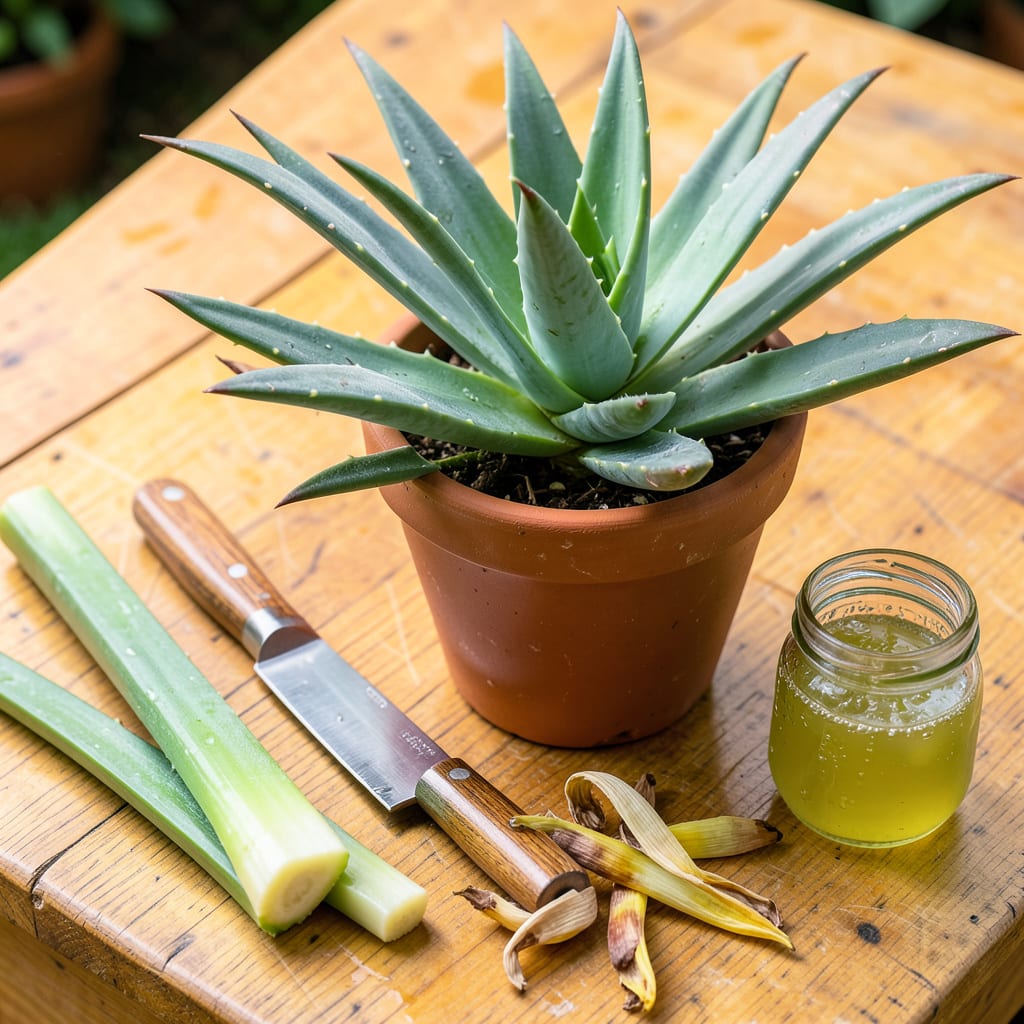
That overgrown aloe in your windowsill isn’t just taking up space—it’s begging for a trim. I used to let mine sprawl until the leaves flopped like sad green noodles, but pruning changed everything. A few strategic cuts can transform a leggy mess into a compact, thriving plant that actually fits on your shelf.
Here’s the thing—pruning isn’t just about looks. You’ll get healthier growth, more offsets for propagation, and leaves that stay plump instead of stretching toward the light. The best part? Those cuttings you remove can become brand-new plants. I’ve turned one overgrown aloe into five just by learning where to make the cut.
📚 In This Guide
Here’s my straightforward method for keeping your aloe healthy while creating new plants from the cuttings.
Start by examining your aloe for damaged or unhealthy leaves. Look for brown tips, yellowing, or leaves that feel soft and mushy—these need to go first. I also remove any leaves growing at odd angles or rubbing against others, as they can create entry points for disease.
Check the base for offsets (pups) that are at least 3-4 inches tall with their own root systems. These are perfect for propagation. Don’t remove pups smaller than this—they won’t survive separation. Healthy leaves you’ll keep should be firm, plump, and a consistent green color.
Use a sharp, clean knife or pruning shears—dull blades crush aloe tissue rather than making clean cuts. I wipe my blade with rubbing alcohol before starting to prevent spreading any potential bacteria. Lay out newspaper or a towel to catch the gel that will ooze from cuts.
Have a small container of water ready for the offsets you’ll remove. The water prevents the cut ends from drying out while you work. For the main plant, choose a location with bright, indirect light where it can recover undisturbed for a few days after pruning.
For damaged leaves, cut as close to the base as possible without injuring the main stem. Angle your knife slightly downward to let water run off the cut surface. When removing pups, work your fingers gently into the soil at the base of the offset to expose where it connects to the mother plant.
Use your knife to sever the pup cleanly from the main root system. Include as many roots as possible with each offset—this dramatically improves their survival rate. I’ve found that pups with at least 2-3 inches of root establish fastest in new pots.
Set all cut pieces (both from the mother plant and offsets) in a dry, shaded spot for 2-3 days. This allows the cut ends to form a protective callus. You’ll know they’re ready when the cut surface changes from wet and shiny to dry and slightly wrinkled.
For the mother plant, avoid watering for 5-7 days after pruning to prevent rot at the cut sites. The offsets can be potted once callused—use a well-draining cactus mix and water lightly just to settle the soil. Don’t water again until the soil feels completely dry to the touch.
Place your new aloe pups in bright, indirect light and resist the urge to water frequently. I check soil moisture by inserting my finger 1 inch deep—if it’s dry, it’s time to water. The mother plant will focus energy on healing, so you might not see new growth for 3-4 weeks.
After about a month, you can resume normal care for both. The pruned mother plant will often produce thicker, healthier leaves, and your new plants should show signs of growth. I’ve propagated dozens of aloes this way, and the key is always patience during that initial callusing period.
Pruning aloe plants becomes much easier once you understand these key details that make all the difference.
Tool Preparation: I learned the hard way that using a dull knife creates jagged cuts that take longer to heal. Always use a sharp, clean blade and wipe it with rubbing alcohol between cuts to prevent bacterial transfer. This small step dramatically reduces the risk of infection at cut sites, especially when working with multiple plants.
Pup Selection: When identifying offsets in Step 1, focus on those with at least 2-3 inches of root development as mentioned. I’ve found that smaller pups often struggle to establish, even if they’re 3-4 inches tall. Gently brush away soil to check root length before separating – this extra minute saves weeks of potential disappointment with failed propagation.
Callusing Process: The 2-3 day drying period in Step 4 is crucial for preventing rot. I place my cuttings in a dry spot with good airflow, not direct sunlight. You’ll know they’re ready when the cut ends change from glossy to matte. Rushing this step is the most common mistake I see – patience here means healthier new plants later.
Post-Pruning Care: After pruning, the mother plant needs that 5-7 day watering break mentioned in Step 4 to form protective calluses. I’ve ruined plants by watering too soon – the cut stems absorb moisture and rot before they can heal. Wait until the soil is completely dry before watering, even if it takes the full week.
Prune your aloe every 6–12 months or when leaves look damaged, wilted, or overcrowded. Healthy plants need less frequent trimming—focus on removing dead or brown leaves as needed. Spring or early summer is ideal for major pruning to encourage new growth.
Yes! Harvest outer leaves (oldest, thickest) by cutting them close to the base with a clean knife. Avoid taking more than 1–2 leaves per month to prevent stress. The plant will regrow—just let it heal for a few days before watering.
Brown tips = under/overwatering; mushy stems = rot. After pruning, wait 3–5 days before watering to let cuts callus. Ensure your pot has drainage holes and use well-draining soil. If rot spreads, repot the healthy offsets and discard affected parts.
Instead of pruning, try repotting into a larger container (1–2 inches wider) to give roots space. For leggy plants, move to brighter light (6+ hours daily). If the plant is top-heavy, propagate the offsets (pups) to reduce crowding.
Avoid pruning in winter or dormancy (growth slows, healing takes longer). Also skip pruning if the plant is stressed (e.g., sunburned, recently repotted). Stick to spring/summer for best results and faster recovery.
