
Beautiful Plants For Your Interior
Beautiful Plants For Your Interior
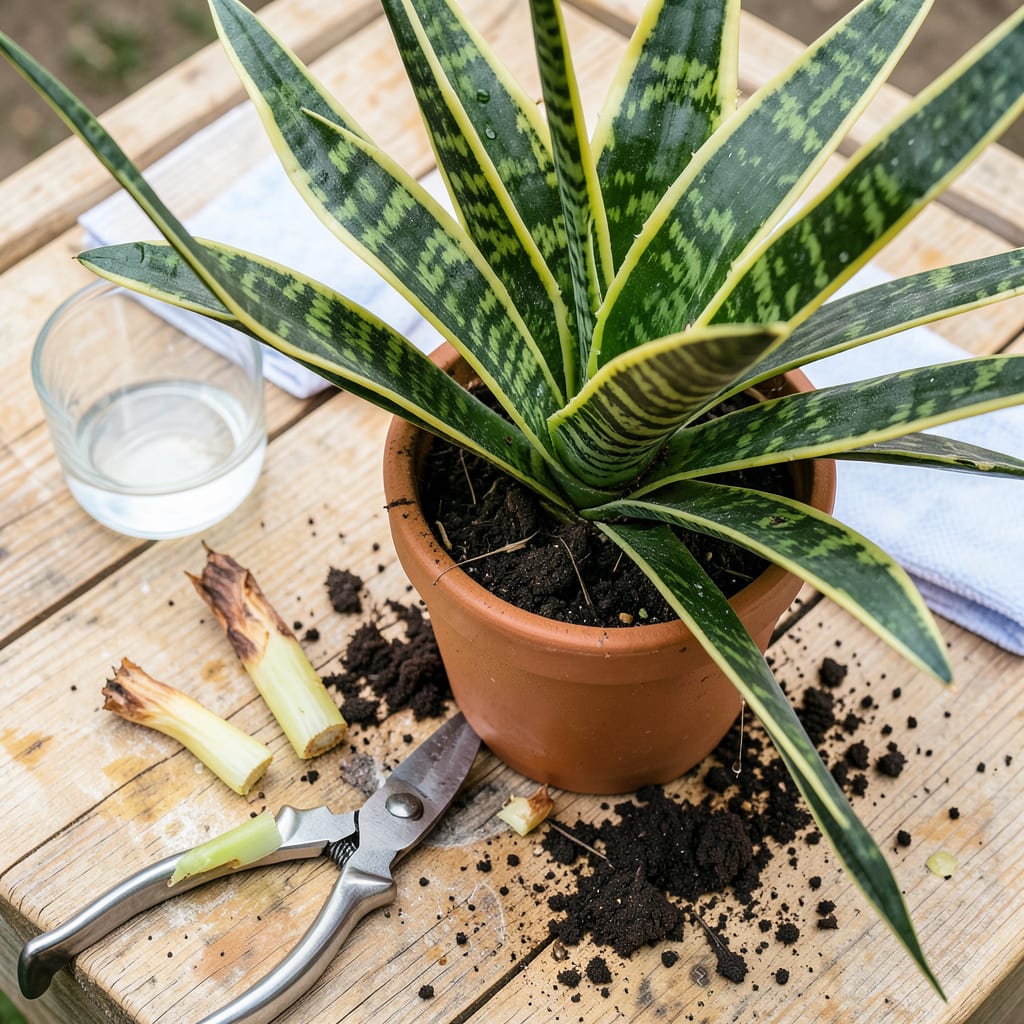
That moment when you realize your snake plant has outgrown its space—or worse, developed sad, yellowing leaves—is when pruning becomes your secret weapon. I’ve rescued dozens of these tough plants with nothing more than a clean pair of shears and 10 minutes of focused cuts. The right pruning doesn’t just tidy things up; it triggers fresh growth and even gives you free plants from the cuttings.
Here’s the thing: snake plants thrive on neglect, but they hate sloppy pruning. One jagged cut or dull blade can set them back for months. I’ll show you exactly where to snip (hint: always at the base), how to spot leaves that are dragging the plant down, and why your pruned cuttings might just become your next favorite houseplant. No green thumb required—just sharp tools and a little confidence.
📚 In This Guide
Pruning a snake plant is simpler than you think—just follow these clear steps to encourage new growth and maintain its striking appearance.
Start by examining your snake plant for damaged or yellowing leaves. These are the first to go, as they drain energy from the plant. Look for leaves that are brown at the tips, mushy at the base, or leaning awkwardly—these are clear signals they need removal.
Also check for overgrowth. If your plant has become too tall or crowded, select the oldest, outermost leaves for pruning. These are typically the longest and most mature, making them ideal candidates. Don’t remove more than one-third of the foliage at once to avoid shocking the plant.
Grab a pair of sterilized pruning shears or sharp scissors. Wipe the blades with rubbing alcohol to prevent spreading bacteria or fungi to the open cuts. This step is non-negotiable—dirty tools can introduce infections that harm your plant.
Cut as close to the soil line as possible without disturbing the roots. A clean, angled cut helps the plant heal faster. If you’re removing a healthy leaf for propagation, cut it into 3-4 inch sections and let the cut ends callous over for a day before planting.
If your goal is to control the plant’s height or shape, focus on the tallest leaves first. Trim them back to just above the soil, which encourages the plant to redirect energy to newer, shorter growth. This keeps your snake plant compact and bushy rather than leggy.
For a balanced look, step back occasionally to assess symmetry. Remove leaves from opposite sides of the plant to maintain its natural, upright form. Avoid cutting too many leaves from one area, as this can create bald spots that take months to fill in.
After pruning, remove all cut leaves and debris from the pot. Leaving them can attract pests or promote rot. Use a soft, damp cloth to wipe down the remaining leaves—this removes dust and helps the plant absorb light more efficiently.
Hold off on watering for a week to let the cuts heal. Snake plants store water in their leaves, so they won’t suffer from the brief dry spell. Resume your normal care routine once you see no signs of stress, like drooping or further yellowing.
Pruning your snake plant doesn’t have to be intimidating—these practical insights will help you avoid common pitfalls and get the best results.
Tool Preparation: In Step 2, don’t skip sterilizing your pruning shears or scissors. I learned this the hard way after introducing a fungal infection to my plant. A quick wipe with rubbing alcohol takes seconds but prevents weeks of recovery time. Make sure your tools are sharp too—dull blades crush rather than cut cleanly, which delays healing.
Pruning Strategy: When working through Step 1, resist the urge to remove too many leaves at once. The one-third rule exists for a reason—I once over-pruned and my plant took months to recover. Focus on the most damaged leaves first, then step back to assess before cutting more. Remember, snake plants grow slowly, so patience pays off.
Propagation Tip: If you’re cutting healthy leaves for propagation in Step 2, let those 3-4 inch sections callous properly. I’ve ruined cuttings by planting them too soon. The callousing process (which takes about a day) prevents rot when you plant them. Place them in a dry, shaded spot while waiting—direct sun can damage the fresh cuts.
Aftercare Insight: The week-long watering pause in Step 4 is crucial. I know it feels counterintuitive, but snake plants store plenty of water. When I’ve watered too soon after pruning, I’ve seen increased risk of rot at the cut sites. Use this time to dust the remaining leaves—you’ll be amazed how much more vibrant they look afterward.
It’s best to avoid pruning in winter when growth slows. Snake plants enter a dormant phase, so cuts may heal slower or risk infection. Stick to spring or early summer for active growth and faster recovery. If you must prune, keep cuts minimal and avoid overwatering afterward.
Yellowing leaves post-pruning often signal stress from overwatering or poor cuts. Check soil moisture—let it dry completely before watering again. Ensure clean, sharp tools were used to prevent jagged wounds. If rot spreads, remove affected leaves immediately and repot in fresh, well-draining soil.
Do I have to use pruning shears, or can I just pull off damaged leaves?
For healthy leaves, always use sterilized shears to avoid tearing. However, dead or severely damaged leaves can often be gently pulled away by hand if they’re already detached at the base. Never force it—if resistance occurs, grab those shears to prevent harming the plant’s base.
Snake plants are low-maintenance—prune only as needed! Typically, once every 1–2 years suffices for removing dead leaves or controlling size. Over-pruning stresses the plant, so focus on selective cuts (e.g., damaged foliage or leggy growth) rather than frequent trims.
A little clear sap is normal (it’s the plant’s natural defense!), but excessive oozing may mean you cut too close to the base or used dull tools. Wipe sap with a damp cloth to prevent pests. If sap is brown or foul-smelling, it could indicate rot—trim further up the leaf and monitor.
