
Beautiful Plants For Your Interior
Beautiful Plants For Your Interior
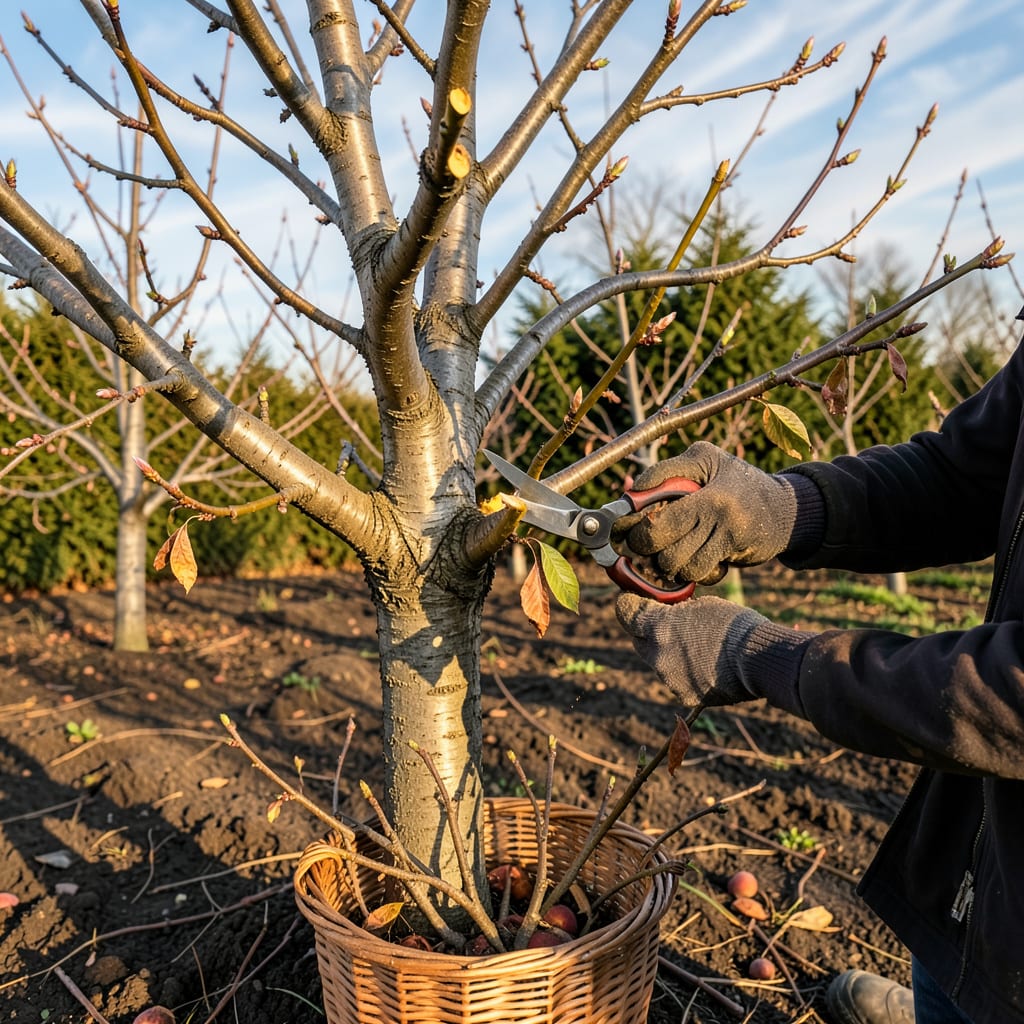
I used to think pruning peach trees was just about making them look neat—until I saw what it did to my harvest. That first summer after proper pruning, my branches sagged with fruit so sweet it ruined store-bought peaches for me forever. The difference wasn’t luck; it was three simple cuts that changed everything.
Here’s the thing—peach trees don’t just tolerate pruning, they demand it. Left unchecked, they grow into tangled messes with small, bitter fruit and disease problems. But do it right in late winter, and you get a tree that breathes, resists rot, and puts all its energy into plump, sun-warmed peaches. No fancy tools required, just the right technique at the right time.
📚 In This Guide
Pruning may seem intimidating at first, but this method will give you confidence—and a healthier tree with better fruit.
Prune in late winter or early spring, just as the buds begin to swell but before they open. This timing minimizes disease risk and lets you see the tree’s structure clearly without leaves. I always check the forecast first—you want three consecutive dry days after pruning to prevent fungal infections from entering fresh cuts.
Start by walking around the tree to identify three types of branches: dead/diseased wood (dark, brittle, or oozing), crossing branches that rub against each other, and any growth pointing inward toward the center. These are your first targets. Also note where last year’s fruit formed—peaches grow on one-year-old wood, so you’ll want to preserve some of those branches.
Begin with your pruning shears or lopping shears (depending on branch thickness) and cut out all dead, diseased, or broken branches first. Make clean cuts just outside the branch collar—the slightly swollen area where the branch meets the trunk. Never leave stubs, as they invite rot and pests.
Next, remove any branches that cross or grow toward the center of the tree. These create shade and poor air circulation, which leads to fungal issues. I like to step back frequently during this process to check the tree’s shape—you’re aiming for an open “vase” structure that lets sunlight reach all parts of the tree. If two branches are competing (growing parallel and close), remove the weaker one.
Peach trees produce more fruit than they can support, so thinning branches is crucial. Remove about 40% of last year’s growth, focusing on smaller, pencil-thick branches. Leave the stronger, thicker branches that will bear this year’s crop. The goal is to space remaining branches about 6-8 inches apart along the limb.
Look for outward-facing buds when deciding what to keep—these will grow away from the center, maintaining that open structure. I always remind myself that fewer branches mean bigger, sweeter peaches. It feels counterintuitive to cut so much, but the tree will reward you with higher quality fruit. Make cuts at a 45-degree angle just above an outward-facing bud to direct new growth.
Stand back and evaluate the overall shape. You want a balanced tree with no single branch dominating. If one side looks heavier, thin it more aggressively. The ideal height for a mature peach tree is 8-10 feet—if yours is taller, remove the topmost vertical branches to reduce height and encourage outward growth instead.
After pruning, rake up and remove all cut branches from the area—these can harbor pests and diseases. I like to finish by spraying the tree with a copper fungicide (following package directions) to protect the fresh cuts. Water the tree deeply after pruning to help it recover. You’ll see new growth starting within 2-3 weeks, which means your tree is responding well to the pruning.
Pruning a peach tree doesn’t have to be overwhelming—these practical insights will help you avoid common pitfalls and set your tree up for success.
The Timing Factor: Those three consecutive dry days mentioned in Step 1 aren’t just a suggestion—they’re critical for preventing fungal infections. I’ve learned the hard way that pruning right before rain creates perfect conditions for diseases to enter through fresh cuts. If the forecast changes after you’ve started, consider postponing until you get that dry window. The late winter/early spring timing is also non-negotiable; pruning in fall stimulates new growth that won’t harden off before winter, making the tree vulnerable to cold damage.
Cutting Technique: When you’re making those 45-degree angle cuts in Step 3, here’s what nobody tells you—the angle isn’t just about aesthetics. That sloped cut prevents water from pooling on the wound, which could lead to rot. I like to visualize where I want new growth to emerge and make my cut just above a bud that’s facing in that direction. Also, resist the urge to cut too close to the bud; leaving about a quarter-inch prevents damage to the bud while still directing growth outward.
Thinning Strategy: The instruction to remove about 40% of last year’s growth in Step 3 often surprises people, but there’s method to this madness. Peach trees naturally overproduce, and without aggressive thinning, you’ll end up with small, poor-quality fruit. Here’s my approach: I start by removing all pencil-thick branches, then step back to assess. If the remaining branches still look crowded, I’ll remove more until I can see daylight through the canopy. Remember, those 6-8 inches of spacing between branches aren’t arbitrary—they ensure each peach gets enough sunlight to develop proper sugar content.
Tool Maintenance: Your pruning shears and lopping shears are making dozens of cuts, and dirty tools spread disease between branches. Between each major cut—especially when moving from diseased wood to healthy branches—I wipe the blades with a cloth dipped in rubbing alcohol. This might seem tedious, but it’s saved me from spreading fire blight through an entire tree. Also, sharpen your tools before starting; clean cuts heal faster than jagged ones, reducing the tree’s stress and recovery time.
The ideal time is late winter or early spring (just before buds swell). This minimizes disease risk and promotes vigorous growth. Avoid pruning in fall—it leaves wounds vulnerable to winter damage. In warm climates, aim for January; colder zones may push this to March.
Yes, but only for light maintenance! Summer pruning (June–July) helps control size and removes water sprouts, but avoid heavy cuts—it can stress the tree and reduce fruit production. Stick to thinning overgrown branches or shaping young trees.
Skipping pruning leads to a dense, weak canopy with:
Aim to remove 30–40% of last year’s growth—focus on:
Pro tip: Step back often to check balance—open center (vase shape) is key!
Common culprits:
Fix it: Next year, prune lighter and fertilize with 10-10-10 in early spring.
