
Beautiful Plants For Your Interior
Beautiful Plants For Your Interior
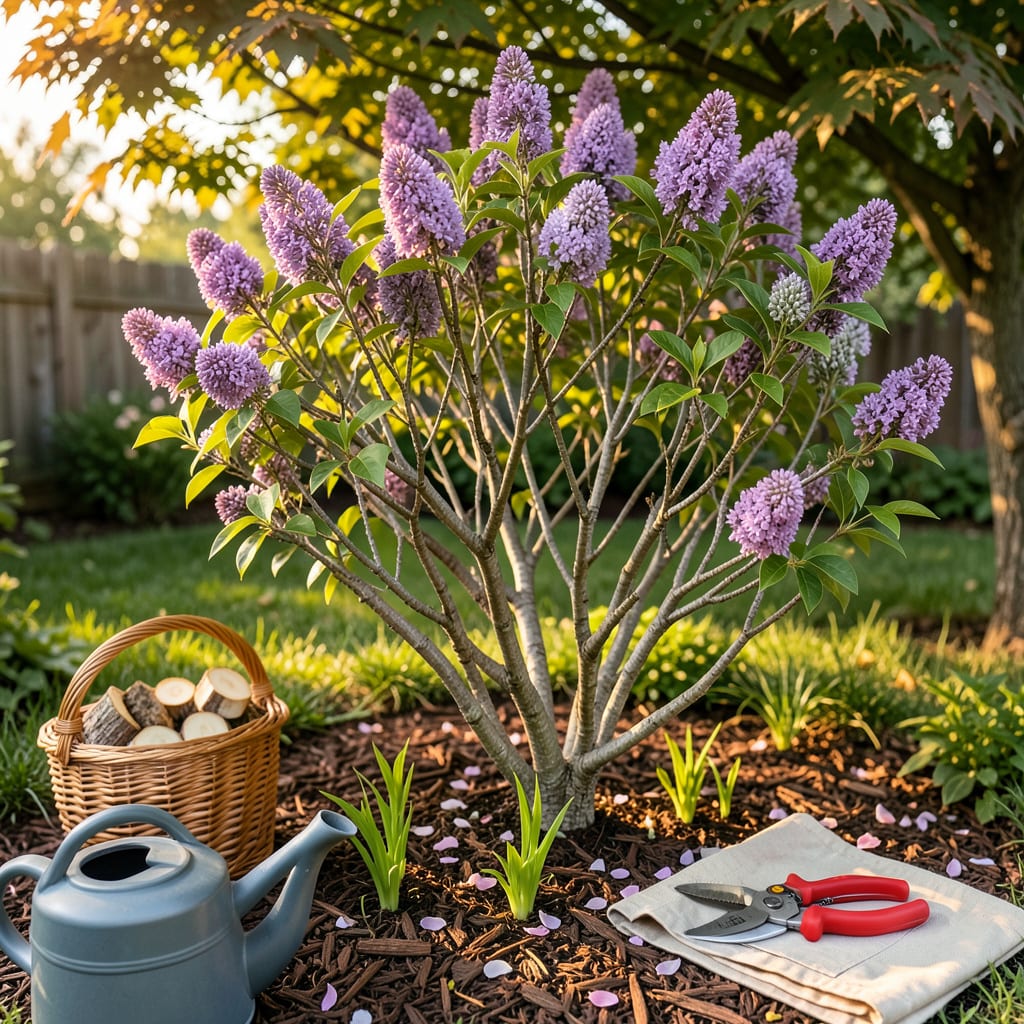
That first spring after pruning my lilac, I stood in shock watching three times more blooms than the year before. Pruning isn’t just maintenance—it’s how you unlock the full potential hiding in those woody branches. Most gardeners either skip it entirely or hack away at the wrong time, leaving their lilacs leggy and flower-sparse.
Timing and technique make all the difference. Do it right, and you’ll get a bush that explodes with fragrant clusters every spring, stays healthy for decades, and keeps its shape without constant battling. The best part? It takes less than 30 minutes with the right approach—and I’m walking you through every cut.
📚 In This Guide
Pruning lilacs is simpler than you think—just follow these key steps at the right time for spectacular results.
Timing is everything with lilacs. You’ll want to prune immediately after the flowers fade in late spring or early summer. I mark my calendar as soon as the last blooms drop—this gives the bush 10-12 weeks to develop next year’s flower buds before dormancy.
Pruning too late in summer or fall removes the wood that would have produced next spring’s blooms. If you miss the window, it’s better to wait until after flowering next year than to risk cutting off potential flowers. The bush will still grow, just with fewer blooms.
Start by cutting out any dead, broken, or diseased branches at their base. These won’t produce flowers anyway, and removing them improves air circulation. I look for branches that are brittle, discolored, or have no leaves—those are goners.
Use clean, sharp bypass pruners and make cuts at a 45-degree angle just outside the branch collar (that slightly swollen area where the branch meets the trunk). This helps water run off and prevents rot. Sterilize your pruners with rubbing alcohol between cuts if you’re removing diseased wood.
Lilacs bloom best on younger wood, so I remove about one-third of the oldest stems each year. Look for thick, gnarled branches with peeling bark—these are your oldest canes. Cut them right at ground level to encourage new growth from the base.
Aim to keep the center of the bush open like a vase. This lets sunlight reach inner branches and prevents mildew. You’ll know you’ve thinned enough when you can see through the bush when standing a few feet away. Don’t worry—this seems drastic but lilacs bounce back vigorously.
Now step back and assess the overall shape. I like to maintain a natural, rounded form that’s slightly wider at the bottom. Cut back any branches that stick out awkwardly or rub against others. Make these cuts just above a healthy bud or side branch.
For height control, cut the tallest branches back by about one-third to a strong side branch or bud. This encourages bushier growth lower on the plant. Never shear the top flat like a hedge—this creates a dense outer shell with no flowers inside. Always make individual cuts at varying heights.
Rake up all the cut branches and debris from around the base. I like to spread a 2-inch layer of mulch (wood chips work well) to conserve moisture and suppress weeds, but keep it 3 inches away from the trunk to prevent rot.
Watch for new shoots emerging from the base—these will become your future flowering branches. Water deeply during dry spells that first summer to help the bush recover. You’ll see the payoff next spring with larger, more abundant blooms on a healthier, better-shaped plant.
Pruning lilacs properly makes all the difference between a struggling bush and one that bursts with blooms. Here’s what I’ve learned from years of trial and error.
Timing Precision: That 10-12 week window mentioned in Step 1 is absolutely critical. I’ve found that pruning exactly when the last flowers drop (not when they start fading) gives the bush maximum time to develop next year’s buds. Mark your calendar the day the final bloom falls—this is your pruning deadline. If you wait until the branches are completely bare, you’ve already missed the optimal window.
Cutting Technique: The 45-degree angle cut in Step 2 isn’t just for looks—it’s functional. I make sure my cuts are just outside the branch collar (that raised ring where the branch meets the trunk) because this is where the bush’s natural healing occurs. A common mistake is cutting too close or leaving a stub, both of which can lead to rot or slow healing.
Thinning Strategy: When removing one-third of the oldest stems in Step 3, I focus on the thickest, most gnarled branches first. These are the ones that have stopped producing many flowers anyway. The “vase shape” isn’t just aesthetic—it allows air to circulate through the center, which dramatically reduces powdery mildew problems that lilacs are prone to.
Height Management: In Step 4, when cutting back the tallest branches by one-third, I look for strong side branches facing outward. This creates that natural, rounded shape while encouraging growth in the right direction. Never make cuts randomly—always cut just above a bud or branch that’s pointing where you want new growth to go.
Prune right after flowering in late spring or early summer (May–June). Lilacs bloom on old wood, so trimming later risks cutting off next year’s buds. Avoid fall/winter pruning—it can reduce blooms or damage the plant during dormancy.
Fall pruning isn’t ideal, but if the bush is unruly, you can remove dead/diseased wood or thin crowded branches. Avoid heavy cuts—wait until after blooming next year for major shaping. Over-pruning in fall may stress the plant before winter.
Never remove more than ⅓ of the bush in one year. For rejuvenation, use the “3-year rule”: Cut ⅓ of old stems to the ground each year. This encourages new growth while keeping the plant healthy. Over-pruning can shock lilacs and delay blooming.
Common causes: Pruning at the wrong time (cutting off flower buds), over-trimming, or removing too many old stems. Lilacs need sunlight—ensure yours gets 6+ hours daily. If pruned correctly, blooms should return in 1–2 seasons.
Yes! Try:
