
Beautiful Plants For Your Interior
Beautiful Plants For Your Interior
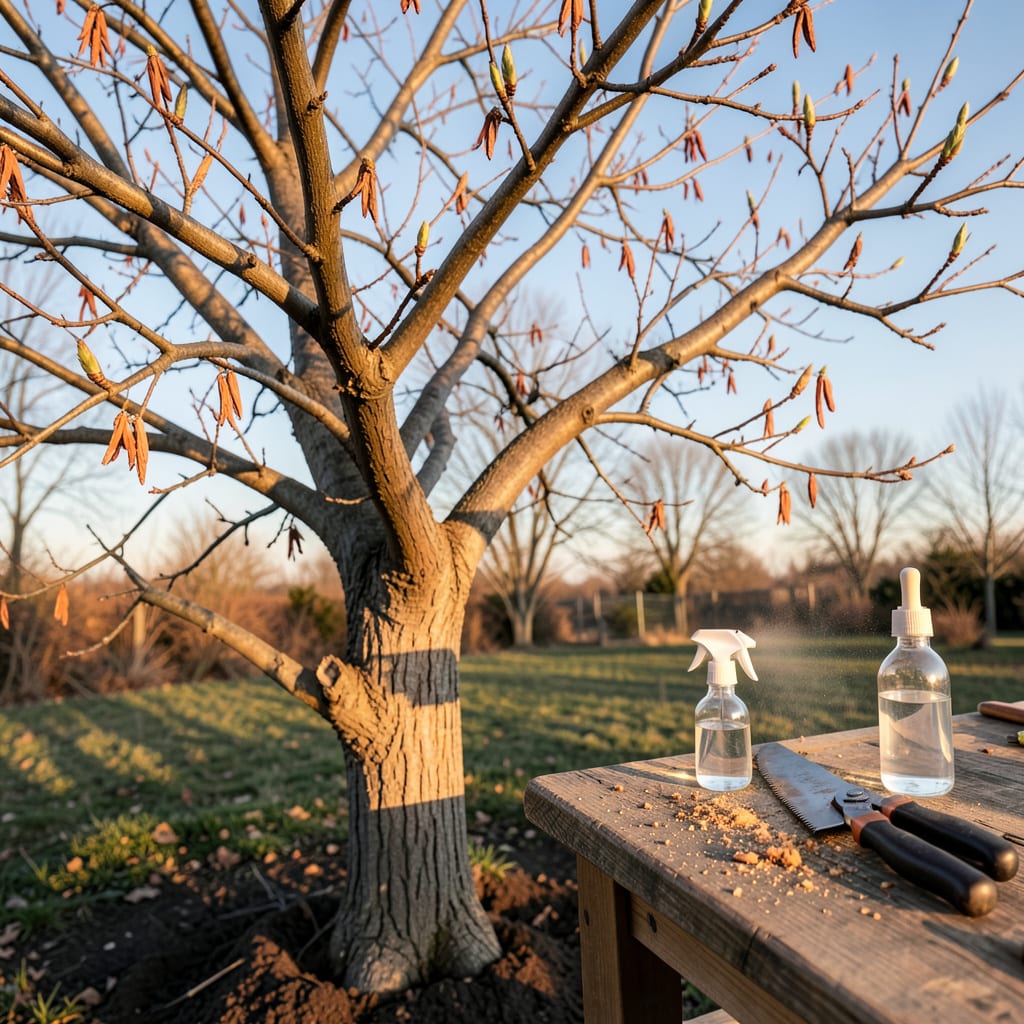
Late winter is when crape myrtles beg for attention. I used to avoid pruning these trees until I saw how a few strategic cuts transformed my neighbor’s scraggly bush into a vibrant, flower-covered showpiece by summer. The difference isn’t magic—it’s timing and technique.
Pruning does three critical things: removes dead weight that steals energy, opens the canopy for better airflow (which means fewer diseases), and shapes the plant so every branch gets sunlight. Do it right in February or early March, and you’ll get more blooms than you thought possible. Do it wrong, and you risk “crape murder”—that sad, stubby look we’ve all seen.
📚 In This Guide
Pruning crape myrtles is simpler than it seems—follow these steps for healthier growth and show-stopping summer blooms.
Late winter (January to early March) is ideal for pruning while the tree is dormant but before new growth starts. I use sharp bypass pruners for branches under ½ inch thick and a pruning saw for anything larger. Sterilize blades with rubbing alcohol to prevent disease spread—this small step saves countless headaches later.
Look for the branch collar (the swollen area where a branch meets the trunk). This is where you’ll make every cut. Never leave stubs, and never cut flush to the trunk—both mistakes invite rot and pests. The right cut heals cleanly and encourages proper regrowth.
Start by cutting out all dead, diseased, and damaged wood. Dead branches feel brittle and snap easily. Diseased wood often shows discoloration or fungal growth. Damaged branches might have splits or bark wounds. Remove these completely, cutting back to healthy wood.
Next, eliminate any crossing branches that rub against each other. These create wounds that become entry points for pathogens. Also remove suckers (thin, fast-growing shoots from the base) and water sprouts (vertical shoots from main branches). These drain energy from productive growth.
Selectively remove about 20-30% of the inner branches to open the canopy. Focus on branches growing inward, downward, or parallel to others. This improves air circulation (reducing fungal issues) and allows sunlight to reach the center. I like to step back frequently to assess the tree’s shape from different angles.
Aim to maintain the tree’s natural vase shape. Never “top” the tree by cutting main branches horizontally—this creates weak, ugly growth. Instead, make thinning cuts just outside the branch collar. The remaining branches will grow stronger and produce more flowers.
For mature trees, remove about one-third of the oldest branches at their base to encourage new, vigorous growth. On younger trees, shorten last year’s growth by 12-18 inches to promote branching. Always cut just above an outward-facing bud to direct growth away from the center.
Stand back periodically to check your work. The tree should look balanced from all sides. Remember that crape myrtles bloom on new wood, so your cuts will actually increase flower production. The goal is a tree that’s one-third to one-half its original size but maintains its natural form.
Remove all cut material from around the tree to prevent pest harboring. I like to shred the smaller branches for mulch (just not near the tree itself). Water deeply after pruning to help the tree recover. You’ll see new growth within 2-3 weeks as temperatures warm.
Watch for signs of stress like excessive leaf drop or slow regrowth. If you notice these, the tree may need more water or a light fertilizer application. Properly pruned crape myrtles will reward you with larger blooms, stronger structure, and disease resistance throughout the growing season.
Pruning crape myrtles becomes much easier when you understand the science behind each cut. Here’s what I’ve learned through years of shaping these beautiful trees.
Tool Maintenance Insight: The instruction to sterilize blades with rubbing alcohol in Step 1 isn’t just about cleanliness—it’s about disease prevention. I’ve seen entire trees infected because someone used dirty tools. Make this a habit: wipe blades between every few cuts, especially when moving from diseased to healthy wood. A quick spray bottle of 70% isopropyl alcohol makes this efficient.
The Branch Collar Secret: Many gardeners overlook the branch collar mentioned in Step 1, but this is where the tree’s natural healing mechanisms concentrate. When you cut just outside this swollen area (about 1/4 inch from the trunk), you’re working with the tree’s biology rather than against it. The resulting callus forms faster and seals more effectively than cuts made elsewhere.
Thinning Strategy Refinement: Step 3’s recommendation to remove 20-30% of inner branches is spot-on, but here’s how to do it strategically. Focus first on branches that are: 1) Growing toward the center 2) Parallel to other branches 3) Less than pencil-thickness (these rarely produce good blooms) I use the “rule of thirds”—divide the canopy into three vertical sections and thin evenly from each.
Regrowth Observation Tip: The 2-3 week regrowth timeline in Step 5 varies by climate. In warmer zones (8-10), you might see buds swelling within 10 days. Cooler climates (zones 6-7) may take the full 3 weeks. Keep a pruning journal with dates and weather conditions—you’ll start noticing patterns that help predict your tree’s specific response time.
Late winter or early spring ( before new growth starts) is ideal—typically January to March, depending on your climate. Avoid pruning in fall, as fresh cuts may not harden off before winter. Light trimming for shape can be done in summer after the first bloom cycle.
Over-pruning (“crape murder” ) can stress the tree, but it’s rarely fatal. Avoid cutting main trunks or removing more than 25% of the canopy at once. Focus on thinning branches and removing suckers. Healthy trees usually recover, though blooms may suffer for a season.
“Crape murder” refers to hacking back all branches to stubs (), which ruins the tree’s natural shape and weakens it. Proper pruning removes only crossing branches, suckers, and spent blooms while preserving the tree’s structure. Think sculpting, not butchering!
Yes, but lightly! Summer pruning ( after the first bloom) can shape the tree and encourage a second flush of flowers. Avoid heavy cuts—focus on thinning crowded branches and deadheading. Always water deeply after pruning to reduce stress.
For young/small trees: bypass pruners (clean cuts) and loppers for thicker branches. Mature trees may need a pruning saw for limbs over 1.5″ thick. Pro tip: Sanitize tools with rubbing alcohol () between cuts to prevent disease spread!
