
Beautiful Plants For Your Interior
Beautiful Plants For Your Interior
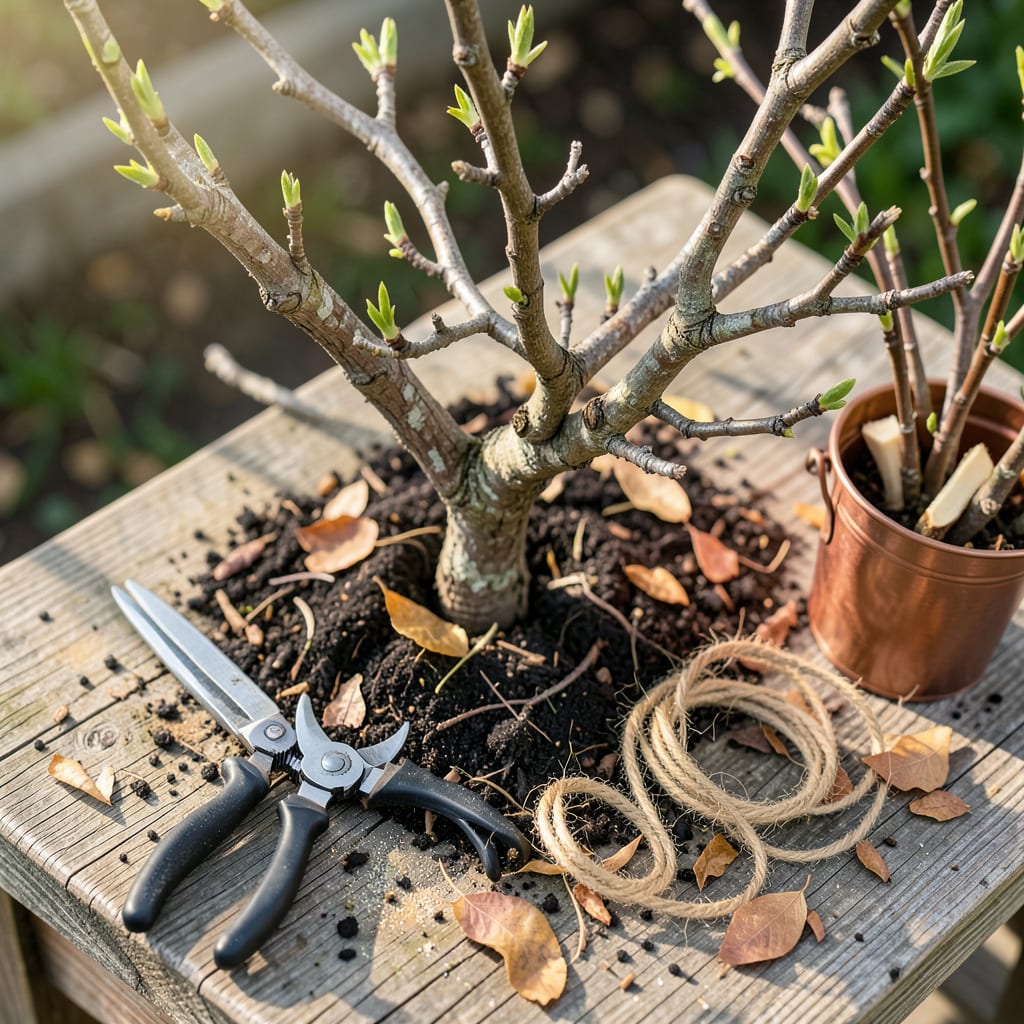
That overgrown butterfly bush in your yard? It’s one hard prune away from becoming the star of next summer’s garden. I used to hesitate with the pruners—until I saw how a single afternoon of strategic cuts transformed my scruffy, woody bush into a bloom-covered magnet for monarchs and swallowtails.
Timing and technique matter more than you’d think. Do it right in early spring, and you’ll get twice the flowers on stronger stems. Do it wrong, and you risk weak growth or missed blooms. The good news? This plant forgives mistakes better than most. Grab your pruners—here’s how to do it without the guesswork.
📚 In This Guide
This simple process will transform your overgrown shrub into a bloom machine—just follow these seasonal steps.
Butterfly bushes bloom on new wood, so the best time to prune is in late winter or early spring, just as new growth begins. I wait until I see the first tiny green buds swelling on the branches—this tells me the plant is waking up but hasn’t invested energy in growth yet. Pruning now ensures you won’t cut off potential flower buds.
Avoid pruning in fall, no matter how tempting it looks. Those dead stems protect the plant through winter, and cutting them back too early can stimulate tender new growth that winter kill will destroy. If you live in a region with mild winters, you can prune as early as January, but in colder zones, wait until March.
Start by cutting out any completely dead stems—these will be brittle, gray, and snap easily when bent. Use clean, sharp pruners to make smooth cuts at the base of these stems. Next, remove any thin, weak growth that’s thinner than a pencil. These won’t produce good blooms and just drain energy from the plant.
Look for crossing branches that rub against each other, as these create wounds that invite disease. Cut out the less vigorous of the two crossing stems. I also remove any branches growing inward toward the center of the bush—these block airflow and sunlight from reaching the interior, which reduces flowering potential.
Now it’s time to shape what remains. I aim to create an open vase shape that allows light and air to circulate freely. Cut the remaining healthy stems back to about 12-18 inches tall, making each cut just above an outward-facing bud. This encourages the new growth to spread outward rather than inward.
Don’t worry about being too precise—butterfly bushes are forgiving. The key is to make clean cuts at a slight angle so water runs off rather than pooling on the cut surface. After pruning, the bush should look like a collection of short, sturdy stems with plenty of space between them, not a dense thicket.
Remove all the cut material from around the base of the plant. I like to shred these cuttings and add them to my compost pile—they break down quickly and return nutrients to the garden. After cleaning up, apply a 2-3 inch layer of mulch around the base, keeping it a few inches away from the stems to prevent rot.
Water the plant deeply after pruning to help it recover from the stress. You’ll see new growth emerging within 2-3 weeks if you’ve timed your pruning correctly. This fresh growth will be thicker and more vigorous than what you removed, setting the stage for dramatically improved flowering later in the season.
Once the plant starts growing vigorously, you can do light maintenance pruning to encourage even more blooms. When the first flowers begin to fade in midsummer, cut those stems back by about one-third. This stimulates a second wave of blooms and prevents the plant from putting energy into seed production.
Keep an eye out for any suckers emerging from the base or weak new stems growing inward. Remove these promptly to maintain good airflow. By late summer, you’ll have a bush that’s covered in flowers from top to bottom, with strong stems that don’t flop over under the weight of all those beautiful blooms.
Pruning doesn’t have to be intimidating—these practical insights will help you avoid common pitfalls and get the most blooms from your butterfly bush.
Timing is Everything: In Step 1, waiting for those first green buds to swell is crucial. I’ve learned the hard way that pruning too early in winter can leave the plant vulnerable to cold damage. If you’re in a colder climate, resist the urge to prune in January—wait until March when you’re confident the worst frost has passed. The difference between a bush that struggles and one that thrives often comes down to this single timing decision.
Tool Selection Matters: For Step 2, don’t underestimate the importance of sharp pruners. Dull blades crush stems instead of making clean cuts, which can invite disease. I keep a small sharpening stone handy and give my pruners a quick touch-up before starting. Clean cuts heal faster and reduce stress on the plant, leading to more vigorous regrowth.
The Height Secret: When shaping in Step 3, I’ve found that cutting back to exactly 12 inches produces the most compact, flower-covered bushes, while 18 inches gives you taller plants with slightly larger (but fewer) blooms. Choose based on your space—12 inches works better for small gardens, while 18 inches creates a more dramatic focal point. Either way, that outward-facing bud is your target for every cut.
Post-Pruning Care: Many people skip the deep watering mentioned in Step 4, but this is when your plant needs moisture most. I use a soaker hose to deliver water slowly at the root zone for about 30 minutes after pruning. This helps the plant recover from the stress and jumpstarts that new growth you should see within 2-3 weeks. The mulch layer is equally important—it keeps roots cool and conserves that critical moisture during the recovery period.
Late winter or early spring (just before new growth starts) is ideal—around February to March in most zones. Avoid fall pruning, as it can stimulate tender growth vulnerable to frost. If your bush blooms on new wood (like most varieties), early pruning ensures maximum summer flowers!
For healthy, established plants, prune back to 12–24 inches from the ground—yes, it’s drastic! This encourages vigorous new growth. For younger bushes (under 2 years), trim just 1/3 of the height to avoid stress. Always cut just above a leaf node or bud.
Not usually, but late pruning (after spring growth starts) can reduce blooms. If you miss the window, do a light trim to shape it—just avoid heavy cuts. Overpruned bushes may bounce back but could skip a bloom cycle. Patience is key!
Prune before early spring when pollinators aren’t active. Avoid cutting during summer/fall when butterflies rely on nectar. Pro tip: Leave a few old stems (12–18 inches) for early-season insects. Never prune while flowers are blooming!
Check these fixes:
Over-pruning? New wood needs time—wait 6–8 weeks for buds.
Butterfly bushes need full sun (6+ hours).
Some varieties bloom on new growth—cut all dead stems.
Use a low-nitrogen mix (e.g., 5-10-5) to boost flowers.
