
Beautiful Plants For Your Interior
Beautiful Plants For Your Interior
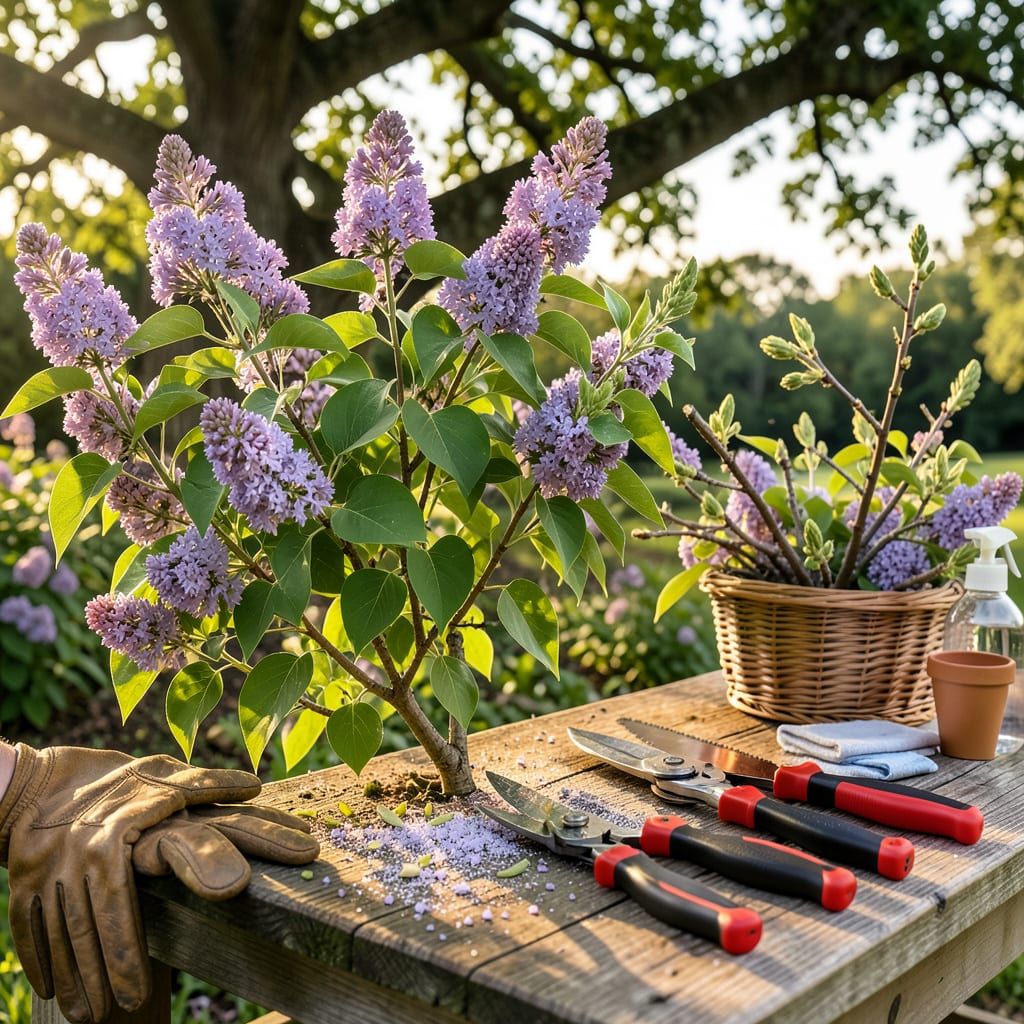
That overgrown bush in your yard isn’t just an eyesore—it’s a missed opportunity. I’ve turned scruffy, neglected shrubs into the best-looking plants on the block with just a pair of pruners and 20 minutes of focused work. Pruning isn’t about hacking away blindly; it’s about making strategic cuts that encourage new growth, better shape, and more flowers or fruit next season.
Here’s the thing—most people wait until bushes look completely out of control before grabbing the pruners. By then, you’re playing catch-up. The right technique at the right time (and yes, timing matters) transforms a leggy, unproductive plant into something that looks intentional and thrives. You’ll see the difference in weeks, not months.
📚 In This Guide
This method transforms overgrown shrubs into healthy, well-shaped plants with just a few strategic cuts.
Prune spring-flowering bushes immediately after blooms fade, typically in late spring to early summer. For summer-flowering varieties, wait until late winter or early spring before new growth begins. I always check for swollen leaf buds—this signals the plant is exiting dormancy and can handle pruning stress.
Use bypass pruners for branches under ½-inch diameter and loppers for thicker growth. A pruning saw handles anything over 1 inch. Disinfect blades with rubbing alcohol between cuts to prevent disease transmission—this is non-negotiable for plant health.
Start by cutting all dead wood (it’ll be brittle and brown inside) back to healthy tissue. Look for branches with blackened tips or cankers—these harbor pathogens. Make each cut at a 45-degree angle just above an outward-facing bud or lateral branch.
Next, eliminate branches that rub against each other or grow inward toward the center. These create wounds that invite pests and block airflow. I prioritize removing the weaker of two crossing branches entirely rather than shortening both—this maintains the plant’s natural structure.
Remove about one-third of the oldest stems at ground level to encourage new growth. Focus on thick, woody branches that show little foliage. This thinning opens the canopy, allowing sunlight to reach inner branches and reducing fungal risks.
Step back frequently to assess the shape. The goal is a slightly narrower top than base—this ensures sunlight reaches all leaves. I use the “rule of thirds”: never remove more than one-third of the total foliage in a single season to avoid stressing the plant.
For overgrown bushes, shorten remaining branches by cutting just above a leaf node or bud. This stimulates branching and creates a denser form. On flowering shrubs, I leave at least two sets of leaves below my cut to ensure next year’s blooms.
Avoid shearing with hedge clippers unless you’re maintaining formal shapes. Hand-pruning creates a more natural look and prevents that “green meatball” appearance. Always cut to an outward-facing bud to direct growth away from the center.
Rake up all debris immediately—fallen leaves and cut branches can harbor pests and diseases. I like to spread a thin layer of mulch (about 2 inches) around the base afterward to protect roots and retain moisture during recovery.
Watch for new growth over the next 4-6 weeks. Healthy regrowth appears as vibrant green shoots. If you see dieback or stunted growth, the plant may need fertilizer or you may have pruned too aggressively. Adjust your approach next season accordingly.
Pruning doesn’t have to be intimidating—these practical insights will help you avoid common pitfalls and achieve professional results.
Timing Precision: The seasonal windows mentioned in Step 1 are crucial for plant health. Pruning spring-flowering bushes immediately after blooms ensures you don’t accidentally remove next year’s flower buds. For summer bloomers, that late winter/early spring timing (just as buds swell) maximizes energy for new growth. I’ve found that pruning just one week too early or late can set back flowering by an entire season.
Tool Technique: The 45-degree angle cut specified in Step 2 isn’t arbitrary—this angle allows water to run off the wound rather than pooling, which prevents rot. When working with branches over 1 inch, I recommend making an undercut first (about 6 inches from the trunk) before completing the cut from above. This prevents bark tearing that can create entry points for disease.
Structural Strategy: The “rule of thirds” in Step 3 is your safety net against over-pruning. I learned this the hard way after removing nearly half the foliage from a lilac bush, which then produced sparse blooms for two seasons. When thinning, focus on removing entire stems at ground level rather than just shortening them—this stimulates more vigorous new growth from the base.
Regrowth Monitoring: The 4-6 week observation period in Step 5 reveals how well you’ve pruned. Healthy regrowth should emerge uniformly across the bush. If you notice uneven sprouting, it often indicates inconsistent cutting heights in Step 4. I keep a pruning journal with photos to track progress and adjust my technique each season.
The ideal time depends on the bush type! For flowering shrubs, prune right after they bloom (spring/early summer). Non-flowering bushes (like boxwood) thrive with late winter/early spring pruning. Avoid pruning in fall—new growth may not harden before winter!
Absolutely—if you follow the rules! Never remove more than ⅓ of the bush at once, avoid “topping” (cutting main stems flat), and always prune just above a leaf node or bud. Use clean, sharp tools to prevent disease. Over-pruning stresses the plant, so less is often more!
Pruning = health-focused (removing dead/diseased branches, shaping growth). Trimming = aesthetic maintenance (light cuts for neatness). Think of pruning as a “doctor visit” and trimming as a “haircut.” Both matter, but pruning impacts long-term plant health more.
Don’t panic! Water deeply (1–2 inches/week), add a 2–3 inch layer of mulch, and avoid fertilizing until new growth appears (4–6 weeks). If the bush is severely damaged, consider renewal pruning: cut ⅓ of the oldest stems to the ground each year for 3 years.
Are there bushes I should never prune?
Some shrubs, like lilacs, azaleas, or forsythia, bloom on old wood—pruning them in fall/winter removes next year’s flowers! Others, like butterfly bush, can handle heavy pruning. Always research your specific bush type before grabbing the shears.
