
Beautiful Plants For Your Interior
Beautiful Plants For Your Interior
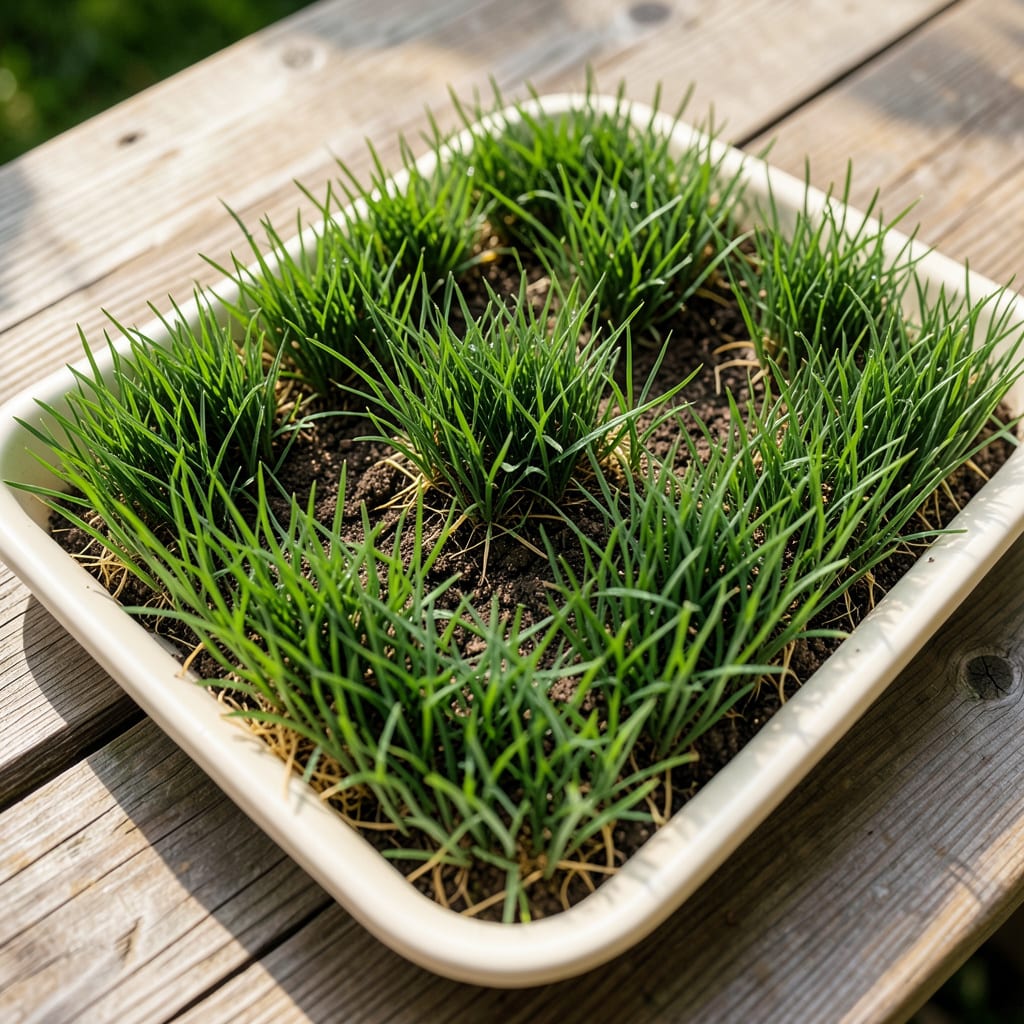
Weeds steal nutrients and space from your lawn, but a few natural strategies can stop them before they start. I’ve tested mulch, proper spacing, and pre-emergent methods that actually work without harsh chemicals.
By spring, you’ll see fewer invaders and more grass thriving. The best part? These solutions fit into any lawn care routine with minimal effort and maximum impact.
📚 In This Guide
These proven techniques keep your grass thick and weeds out—no harsh chemicals required.
Set your mower blade to 3-4 inches—taller grass shades the soil, blocking sunlight that weed seeds need to germinate. I’ve found that cutting too short stresses the lawn, creating bare spots where opportunistic weeds take hold.
Always mow with sharp blades to prevent tearing the grass, which leads to brown tips and weakened growth. Aim to remove no more than one-third of the grass height at a time; this encourages thick, vigorous growth that naturally crowds out invaders.
Compacted soil suffocates grass roots while giving weeds the perfect conditions to thrive. Use a core aerator in early fall to pull 2-3 inch plugs from the lawn, improving air, water, and nutrient penetration. This is the moment that matters: overseed immediately after aerating.
Spread a high-quality grass seed blend suited to your climate at the recommended rate. Water lightly daily for 7-10 days until new grass reaches 2 inches tall. A dense lawn is your best defense—weeds can’t establish where grass already dominates.
Corn gluten meal is a natural pre-emergent that prevents weed seeds from sprouting without harming established plants. Apply it in early spring when soil temperatures reach 55°F—this is typically when forsythia blooms in most regions.
Use 20 pounds per 1,000 square feet and water lightly to activate it. Reapply in fall for seasonal weeds. Here’s the thing—it won’t kill existing weeds, so timing is everything. You’ll see a dramatic reduction in crabgrass and other annuals within two seasons.
Deep, infrequent watering encourages grass to develop deep root systems, making it more drought-resistant and better able to outcompete weeds. Water 1-1.5 inches per week, including rainfall, in the early morning to reduce evaporation and fungal risks.
Fertilize with a slow-release organic product in early spring and again in fall. Follow label rates precisely—over-fertilizing leads to thatch buildup, which can shelter weed seeds. Real talk: a well-fed lawn recovers faster from stress and fills in bare spots before weeds can move in.
For weeds that slip through, pull them by hand when the soil is moist—this ensures you get the entire root. Use a weeding tool for taprooted weeds like dandelions to prevent regrowth. I know it seems tedious, but catching them early prevents seeding and spreading.
For tough patches, spot-treat with a vinegar-based herbicide (10-20% acetic acid) on a sunny day. Apply carefully to avoid damaging surrounding grass, and reapply as needed. Don’t skip this—leaving even a few weeds to seed can undo months of prevention work.
These time-tested strategies will help you maintain a lush lawn without resorting to harsh chemicals.
Mowing Precision: Setting your mower blade to exactly 3-4 inches is non-negotiable. Taller grass creates natural shade that blocks weed germination, while shorter cuts expose soil to sunlight, giving weeds the perfect opportunity to sprout. I learned this the hard way after my first lawn turned into a dandelion paradise.
Aeration Timing: The 2-3 inch plugs you pull in Step 2 must happen in early fall for maximum effectiveness. This timing allows grass to recover and fill in gaps before winter dormancy, while spring aeration often leads to weed invasion in the disturbed soil. Overseeding immediately after aerating gives your grass the competitive edge it needs.
Pre-Emergent Application: The 55°F soil temperature trigger for corn gluten meal application is critical. Applying too early means the pre-emergent breaks down before weed seeds germinate, while applying too late allows weeds to establish. I use a soil thermometer to confirm this exact temperature—it’s the difference between a pristine lawn and a weed-ridden mess.
Watering Discipline: Sticking to exactly 1-1.5 inches per week of water, including rainfall, trains your grass to develop deep roots. Light, frequent watering creates shallow root systems that can’t compete with weeds. Early morning watering is equally important—it reduces evaporation and prevents fungal issues that weaken your lawn.
Apply pre-emergent weed preventer in early spring and fall, following product instructions. Most require reapplication every 6-8 weeks for season-long protection. Timing is key—treat before weeds sprout!
Natural options like corn gluten meal or mulch can work well but may require more frequent application. They’re safer for pets and the environment but often less potent than chemical herbicides.
Yes! Use targeted pre-emergents, maintain healthy lawn thickness, and spot-treat weeds manually. Always choose selective herbicides labeled safe for your grass type.
Weeds return if roots remain, soil is bare, or preventer wasn’t applied correctly. Consistency is key—combine pre-emergents with good lawn care habits like mowing high and aerating.
Lay down a thick layer of mulch (2-4 inches) to block sunlight. Landscape fabric can help, but organic mulch like wood chips also improves soil health over time.
