
Beautiful Plants For Your Interior
Beautiful Plants For Your Interior
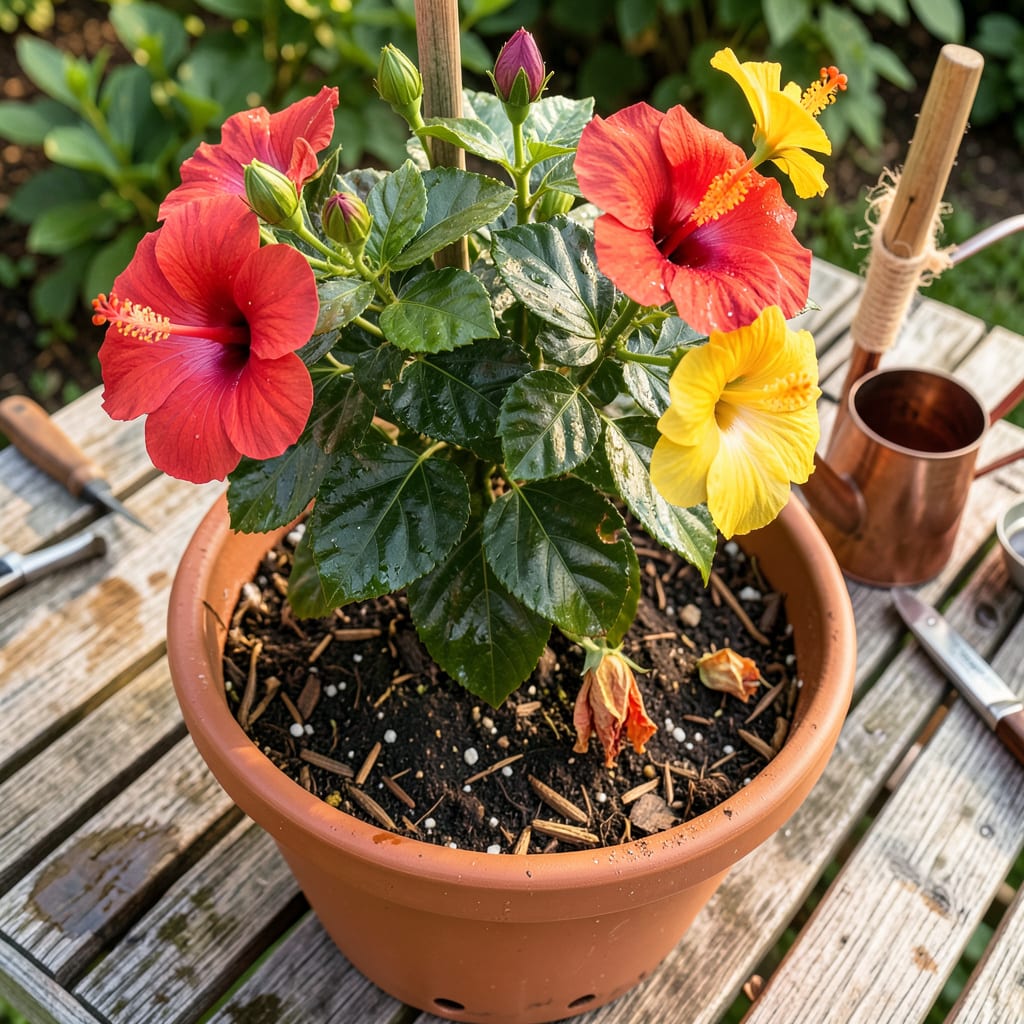
Nothing’s more frustrating than watching hibiscus buds form—only to drop before they open. I’ve lost count of how many blooms I’ve sacrificed to this problem, but the fix isn’t complicated once you know what’s really happening. Stress is the silent killer: too much water, too little light, or a sudden temperature swing can send those delicate buds crashing to the ground.
The good news? A few simple adjustments can turn things around fast. We’re talking consistent moisture (not soggy soil), stable warmth, and the right nutrients at the right time. I’ve tested these tweaks on my own plants, and now my hibiscus holds blooms longer than ever—even through summer heatwaves. Here’s exactly how to make it work for yours.
📚 In This Guide
This method addresses the root causes of bud drop—environmental stress, watering issues, and pests—before they ruin your blooms.
Hibiscus buds drop at the first sign of moisture stress, whether from drought or overwatering. Check the soil daily by pressing your finger 1 inch deep—water only when it feels dry at that depth. I use the “soak and dry” method: water deeply until it runs from the drainage holes, then wait until the top inch dries completely.
Never let the plant sit in saucer water for more than 30 minutes. Stagnant water suffocates roots and triggers bud drop within 24-48 hours. If you’re using a decorative outer pot, empty it after watering. Yellowing lower leaves often signal overwatering before buds even begin to fall.
Hibiscus buds abort when nighttime temperatures drop below 50°F or daytime temps exceed 90°F. Move potted plants indoors or to a sheltered patio when forecasts predict extremes. I lost an entire season’s blooms before realizing a drafty window was exposing my hibiscus to 45°F nights—buds turned brown and dropped overnight.
Even warm breezes can desiccate buds. Position plants where they’re shielded from prevailing winds, or create a temporary barrier with burlap. Watch for buds that shrivel before opening—this indicates wind burn. A humidity tray (pebbles + water beneath the pot) helps counteract dry air, especially in indoor environments.
Too much nitrogen produces lush foliage but weak buds that drop before opening. Switch to a low-nitrogen, high-phosphorus fertilizer (like 5-10-5) every 2-3 weeks during active growth. I use a liquid formula at half-strength to avoid burning roots, which also causes bud drop within 48 hours of overapplication.
Yellow veins in new leaves signal magnesium deficiency—a common bud-drop trigger. Dissolve 1 tablespoon Epsom salt in a gallon of water and apply as a foliar spray. Buds should firm up within 3-5 days of treatment. Always water plants before fertilizing to prevent root shock, which manifests as sudden bud loss.
Thrips and spider mites pierce buds to feed, causing them to yellow and drop. Examine buds weekly with a magnifying glass—look for tiny black specks (thrips) or fine webbing (mites). I lost three rounds of buds before realizing the “dust” on my plants was actually pest damage. A sharp spray from the hose dislodges most insects, but severe infestations require neem oil applied at dusk every 5-7 days.
Ants farming aphids on buds will also cause drop. Place sticky traps at the base of the plant to interrupt their trails. Buds that darken at the tip before falling often indicate pest activity. Isolate affected plants immediately—pests spread to neighboring hibiscus within 2-3 days if untreated.
Hibiscus need 6-8 hours of direct sunlight daily to sustain buds. Sudden shifts from low to intense light (like moving from greenhouse to full sun) shock the plant. Acclimate over 7-10 days by gradually increasing exposure. Buds that turn pale or translucent are sun-scalded and will drop within 48 hours.
Indoor plants often suffer from insufficient light. Place them within 2 feet of a south-facing window or use a full-spectrum grow light for 12-14 hours daily. Leggy growth with sparse buds signals light deprivation. Rotate pots weekly for even exposure—buds on the shady side will abort first, often before you notice the imbalance.
After years of battling bud drop with my hibiscus, I’ve learned these subtle but game-changing details make all the difference.
Watering Precision: The 1-inch soil check in Step 1 isn’t just a suggestion—it’s critical. I use a wooden skewer to test moisture deeper in the pot, especially for larger containers where the top inch can dry out while the bottom stays soggy. Remember that 30-minute saucer rule: I set a phone timer the second I water to prevent forgetting. Those 24-48 hours after overwatering are when you’ll see the first yellow leaves, so catch it early.
Temperature Vigilance: The 50°F threshold in Step 2 is non-negotiable. I keep a min/max thermometer near my plants to track nighttime lows—it revealed my “sunny” windowsill was actually dipping to 45°F at night. For outdoor plants, watch the forecast like a hawk. Even a single night below 50°F can cause buds to brown and drop within hours, as I learned the hard way.
Light Transition Strategy: When moving plants as mentioned in Step 5, that 7-10 day acclimation period prevents shock. I use sheer curtains to filter intense sunlight during the transition. For indoor plants, I’ve found that 2 feet from a south window often isn’t enough—supplement with that 12-14 hours of grow light, especially in winter. The pale, translucent buds signaling sun scald appear shockingly fast, often within 48 hours of too much direct exposure.
Pest Prevention Routine: The weekly magnifying glass check in Step 4 saved my plants after I missed three infestations. I do my inspections at dusk when pests are most active. That neem oil application every 5-7 days works best if you spray both the tops and undersides of leaves—pests hide where you can’t see them. The 2-3 day window for pest spread means you must act immediately when you spot anything suspicious.
Overwatering is just as harmful as underwatering! Hibiscus buds drop due to stress—often from soggy roots or inconsistent moisture. Check soil drainage (add perlite if needed) and water only when the top 1-2 inches feel dry. Morning watering helps prevent fungal issues that trigger bud drop.
Yes! First, trim affected buds to redirect energy. Check for pests (like aphids) or nutrient deficiencies (yellow leaves = nitrogen lack). Apply a balanced fertilizer (10-10-10) and ensure 6+ hours of sunlight daily. Recovery takes 2-4 weeks with consistent care.
Spring and early summer are critical! Start preventive care as buds form: maintain even moisture, shield from strong winds, and avoid heavy pruning. In fall/winter, reduce watering but protect from frost (buds drop at temps below 50°F).
Try these:
Inspect closely! Pests (aphids, thrips) leave sticky residue or visible bugs. Fungal diseases (like botrytis) cause fuzzy gray mold. Viral issues may yellow veins. Treat pests with insecticidal soap; for fungi, remove infected buds and improve airflow.
