
Beautiful Plants For Your Interior
Beautiful Plants For Your Interior
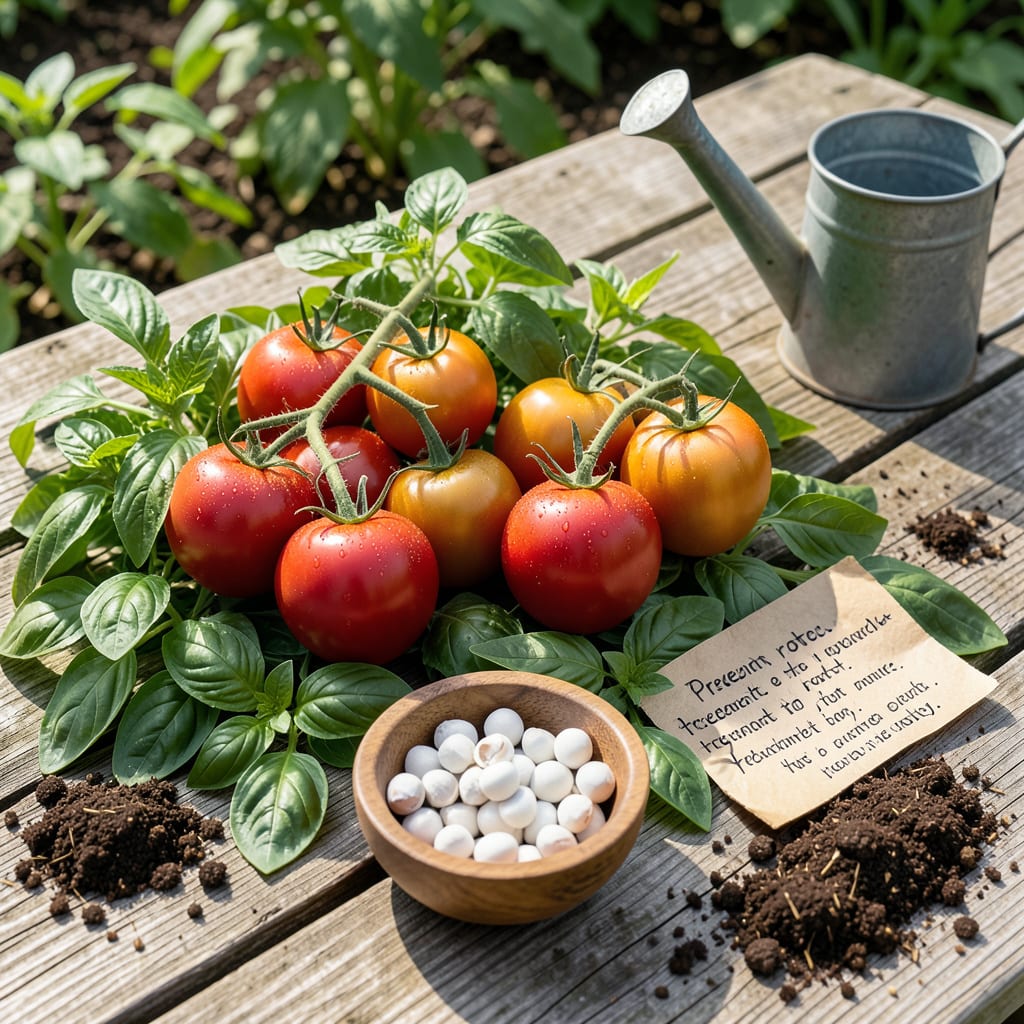
That sunken brown spot on your tomato’s bottom isn’t a disease—it’s a cry for help. I lost my first three harvests to blossom end rot before figuring out the simple fixes.
Turns out, it’s usually about calcium and water consistency, not bad luck. Most gardeners overcomplicate this. The solution starts with testing your soil and adjusting how you water, not with expensive sprays.
You’ll see results fast: new fruit sets without those ugly spots, and your plants bounce back within 1-2 weeks of the right care. The fix is cheaper than you think—often just eggshells and a better routine.
Works for container gardens, raised beds, or in-ground plants. Here’s how to keep your tomatoes moist and healthy all season.
Blossom end rot (BER) in tomatoes isn’t caused by a pathogen—it’s a physiological disorder triggered by environmental and nutritional imbalances. Here’s a breakdown of the primary culprits:
Tomatoes require consistent calcium uptake for strong cell wall development. When soil or growing media lacks bioavailable calcium (Ca²⁺), or when its transport to the fruit is disrupted, the blossom end (opposite the stem) breaks down. This often happens in acidic soils (pH < 6.0), where calcium becomes less soluble, or in sandy soils that drain too quickly for roots to absorb it.
Inconsistent watering—drought followed by overwatering—stresses the plant and halts calcium movement. Tomatoes need steady moisture (1–1.5 inches per week) to maintain nutrient flow. Even short dry spells can trigger BER, as calcium is passively transported via water uptake. Mulching helps stabilize soil moisture.
During heatwaves or after heavy fertilization (especially with high-nitrogen feeds), tomatoes grow too fast. The demand for calcium outpaces supply, leading to localized deficiencies in developing fruit. Balanced fertilization and shade cloth in extreme heat can mitigate this.
Compromised roots (from overwatering, disease, or mechanical injury) struggle to absorb calcium. Cold soil (< 55°F) also slows root activity. Warm soil (via black plastic mulch) and gentle handling during transplanting improve uptake.
Addressing these factors holistically—soil testing, even watering, and calcium supplements—can stop BER before it starts.
Blossom end rot can be frustrating, but these targeted solutions will help you save your tomatoes and prevent future issues. Address the root causes with these practical fixes:
Inconsistent watering disrupts calcium uptake. Keep soil evenly moist (not soggy) by watering deeply 1–2 times per week. Use drip irrigation or soaker hoses to deliver water directly to roots, reducing evaporation. Mulch with straw or wood chips to retain moisture and prevent soil temperature swings.
Prevention tip: 💡 Check soil moisture 1–2 inches deep—if it’s dry, it’s time to water.
Add calcium directly to the soil or foliage. Work crushed eggshells (pulverized for faster absorption) or gypsum into the soil at planting. For a quick fix, spray plants with a calcium solution (1 tbsp calcium chloride or lime per gallon of water) every 1–2 weeks. Avoid high-nitrogen fertilizers, which can block calcium uptake.
Prevention tip: ✨ Test soil pH—aim for 6.5–6.8 to ensure calcium availability.
Extreme heat or cold stress can limit calcium movement. Use row covers to shield plants from temperature spikes or drops. If nights are chilly, cover young plants with frost cloth. During heatwaves, provide afternoon shade with shade cloth (30–40% density) to reduce stress.
Prevention tip: 🌡️ Plant tomatoes in well-draining, warm soil (at least 60°F) to encourage steady growth.
Too much nitrogen or potassium can interfere with calcium absorption. Switch to a balanced fertilizer (e.g., 5-5-5 or 10-10-10) and add compost for slow-release nutrients. Avoid heavy applications of ammonium-based fertilizers, which acidify soil and lock out calcium.
Prevention tip: 🎯 Follow soil test recommendations to tailor fertilization to your garden’s needs.
Yes! Crush eggshells into a fine powder and work them into the soil at planting. They provide a slow-release calcium source. For faster results, use 1 tbsp calcium chloride per gallon as a foliar spray every 2 weeks.
Water deeply 1-2 times per week, ensuring the soil stays evenly moist. Use drip irrigation or soaker hoses to avoid wetting the leaves. Mulch helps retain moisture and stabilize soil temperature.
Calcium uptake depends on consistent moisture. If watering is uneven, calcium can’t reach the fruit. Also, cold soil (<55°F) or root damage can block absorption, even if calcium is present.
No, the damaged fruit won’t recover. Remove affected tomatoes to redirect the plant’s energy. Focus on preventing new fruit from developing the issue by addressing watering and calcium levels.
