
Beautiful Plants For Your Interior
Beautiful Plants For Your Interior
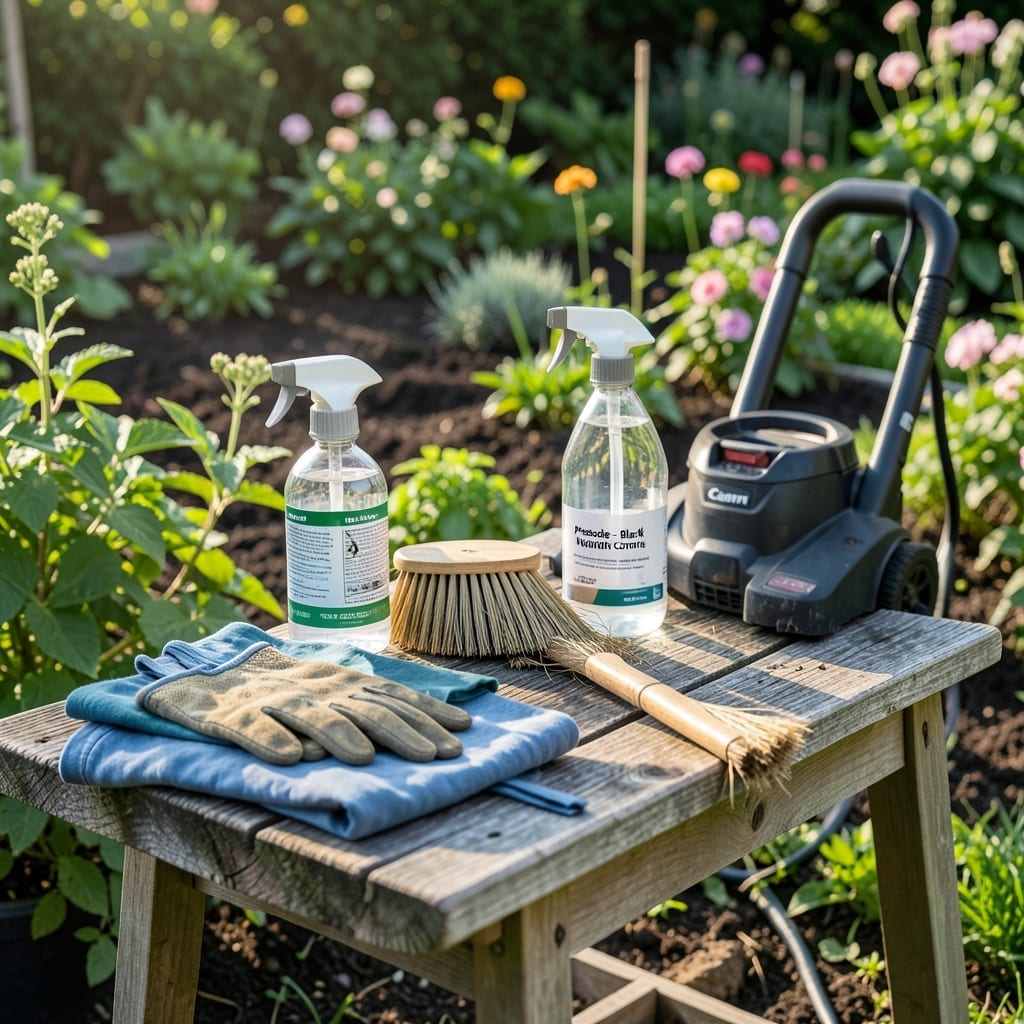
Black widows in the garden don’t have to be a given. I learned this the hard way after finding one too close to my tool shed last summer.
These spiders thrive in undisturbed, cluttered spaces—wood piles, dense shrubs, or forgotten corners of the garage. A few simple changes to your outdoor habits can make your property far less inviting without harsh chemicals.
Natural deterrents like peppermint oil or diatomaceous earth work surprisingly well. Regular cleanup removes their hiding spots, and sealing cracks in sheds or foundations blocks entry points.
Within a few weeks, you’ll notice fewer webs and more peace of mind. The key is consistency—these methods only work if you stick with them.
Black widow spiders thrive in specific environments, and understanding why they appear is the first step in prevention. These arachnids are drawn to conditions that offer shelter, food, and minimal disturbance. Below are the primary reasons they infest homes and yards.
Black widows prefer dark, quiet areas where they can spin webs without interference. Garages, sheds, basements, and woodpiles are prime locations because they provide hiding spots and reduce the risk of web damage. Piles of leaves, firewood, or stored items create ideal nesting sites.
These spiders feed on insects like flies, beetles, and other small pests. If your property has a high population of these creatures, it attracts black widows looking for an easy meal. Poor sanitation, standing water, or unsealed trash cans can contribute to a thriving insect population, indirectly inviting black widows.
Black widows enter homes through cracks in foundations, gaps around doors, unscreened vents, or damaged window screens. Even small openings (as tiny as a pencil tip) can serve as entryways. Older homes or those with deteriorating seals are especially vulnerable.
Like many pests, black widows favor warm, humid climates. They seek out moist areas, such as crawl spaces, under sinks, or behind appliances. Leaky pipes or poor ventilation can create the perfect microclimate for them to settle and reproduce.
Black widows thrive in undisturbed, cluttered spaces, so keeping your home and yard clean is the first line of defense. Below are targeted solutions to address common causes, paired with prevention tips to keep these pests away for good.
Black widows love hiding in piles of wood, leaves, or stored items. Remove clutter from basements, garages, sheds, and outdoor areas. Store firewood at least 20 feet away from your home and elevate it off the ground. Seal cracks in walls, foundations, and around doors or windows with caulk to block entry points.
Prevention tip: 💡 Regularly clean and organize storage areas to eliminate hiding spots.
Overgrown vegetation, leaf litter, and tall grass provide perfect habitats. Trim bushes and trees away from your home’s exterior, and mow the lawn frequently. Remove piles of leaves, mulch, or compost near the foundation. Keep outdoor furniture and play structures clean and dry.
Prevention tip: 🌿 Use gravel or stone borders around your home to create a less inviting environment for spiders.
Check for gaps around utility lines, vents, and pipes. Install fine mesh screens on vents and windows, and use door sweeps to close gaps under exterior doors. Ensure weather stripping is intact and replace any damaged screens.
Prevention tip: 🎯 Inspect your home’s exterior seasonally for new cracks or openings.
Black widows are attracted to areas with other insects, their primary food source. Reduce other pests by keeping kitchens and dining areas clean, storing food in airtight containers, and taking out trash regularly. Fix leaky pipes to eliminate moisture, which attracts prey insects.
Prevention tip: ✨ Use yellow outdoor lighting, which is less attractive to insects than white lights.
Certain scents repel black widows. Apply essential oils like peppermint, tea tree, or eucalyptus mixed with water in a spray bottle to baseboards, windowsills, and entry points. Diatomaceous earth (food-grade) can be sprinkled in cracks and crevices to dehydrate and kill spiders.
Prevention tip: 🌡️ Reapply natural repellents every few weeks or after rain for continued effectiveness.
Essential oils like peppermint, tea tree, or eucalyptus work well. Mix 10-15 drops with water in a spray bottle and apply to entry points.
Reapply natural repellents every 2-3 weeks or after rain. This ensures continuous protection as scents fade over time.
Yes, but use food-grade diatomaceous earth only. Sprinkle lightly in cracks, along baseboards, and under appliances. Avoid inhaling the dust.
Ignoring clutter in garages, sheds, or basements. Black widows love undisturbed spaces, so regular cleanup is key to prevention.