
Beautiful Plants For Your Interior
Beautiful Plants For Your Interior
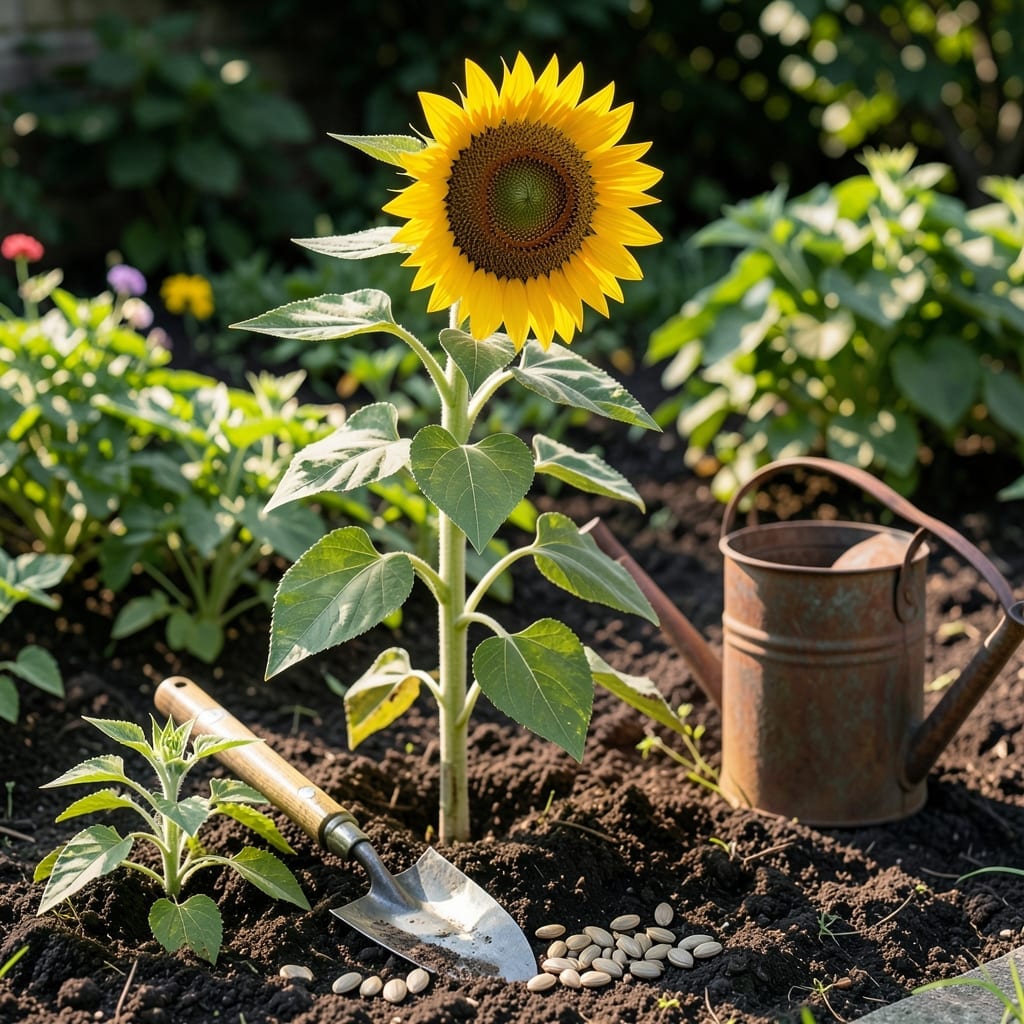
Imagine stepping into your garden and seeing towering Sunflowers 🌻 swaying in the breeze. These cheerful giants can transform any outdoor space with their vibrant blooms and impressive height.
Whether you’re a seasoned gardener or just starting out, growing Sunflowers is simpler than you might think. With the right timing and care, you’ll be rewarded with stunning flowers that attract pollinators all season long.
Discover how to plant these iconic blooms in zone 6 during spring. I’ll guide you through each step to ensure your Sunflowers thrive from seed to spectacular bloom.

Planting sunflower seeds is a rewarding experience that brings vibrant color and life to your garden. I always start by choosing a sunny location with at least 6 hours of direct sunlight daily.
Timing is key—wait until after the last frost date when the soil is warm, typically in April or May for zone 6. This ensures your seeds germinate quickly and grow strong.
I’ve found that well-draining soil is essential for healthy sunflowers. If your garden soil is heavy clay, consider planting in raised beds or amending it with organic matter.
For taller varieties, I recommend providing support like stakes or trellises to prevent them from toppling over in windy conditions. Dwarf types usually don’t need this extra care.
Once your sunflowers are established, they’re quite drought-tolerant. However, I water mine deeply once a week to encourage strong root growth, especially during dry spells.
Don’t forget to mulch around the base of your plants to retain moisture and suppress weeds. This simple step can make a big difference in their overall health.
If you’re planting in containers, choose large pots with good drainage and use a high-quality potting mix. This works especially well for dwarf sunflower varieties.
Watch for signs of pests or diseases, like aphids or powdery mildew. I use a strong spray of water to knock off aphids and ensure good air circulation to prevent fungal issues.
With proper care, your sunflowers will grow tall and proud, rewarding you with stunning blooms that brighten your garden all summer long 🌻
Choosing the right sunflower variety makes all the difference in your garden’s success. I love the versatility of these cheerful blooms—they come in sizes from dwarf 2-foot plants to towering 12-foot giants.
Each type has its own ideal growing conditions and placement. Whether you want a border plant, a container garden star, or a backyard focal point, there’s a perfect sunflower for you.
| Variety | Height | Best For |
|---|---|---|
| Dwarf Sunspot | 2-3 ft | Containers, borders |
| Autumn Beauty | 5-7 ft | Cut flowers, pollinators |
| Mammoth | 8-12 ft | Backyard focal points |
| Teddy Bear | 2-3 ft | Kids’ gardens, containers |
For small spaces, I recommend dwarf varieties like Sunspot or Teddy Bear. These compact plants pack all the charm of their taller cousins into a manageable size.
If you want dramatic height, go for Mammoth or Russian Giant. These varieties can reach 12 feet tall and make stunning backdrops for any garden.
Multi-branching types like Autumn Beauty produce multiple blooms per plant, giving you more flowers for cutting and enjoying indoors. They’re perfect for pollinator gardens too.
Always match your variety to its ideal location. Tall types need shelter from wind, while dwarf varieties thrive in containers on patios or balconies. With the right choice, your sunflowers will flourish 🌻