
Beautiful Plants For Your Interior
Beautiful Plants For Your Interior
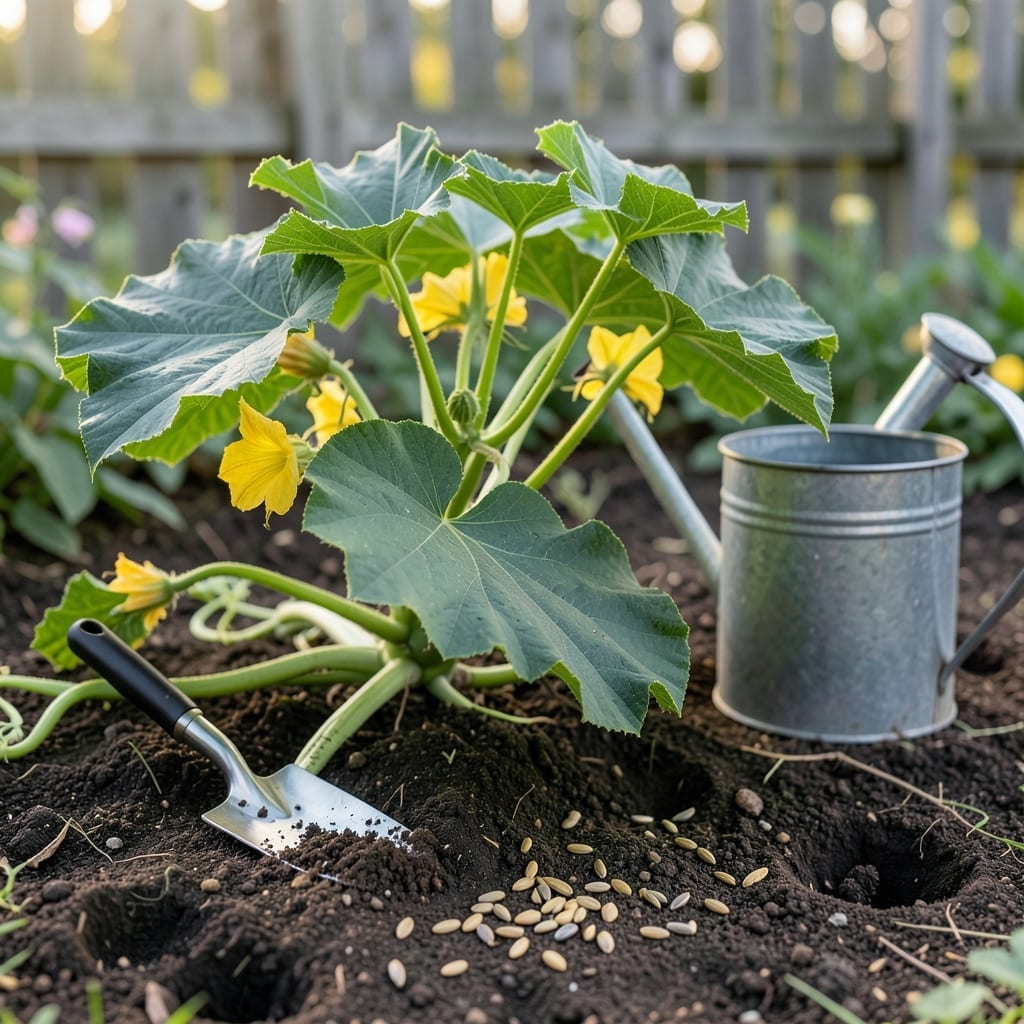
Imagine turning your garden into a pasta lover’s paradise with homegrown 🎃 Spaghetti Squash. This low-carb favorite is surprisingly simple to cultivate when you know the basics.
I’ve learned that the right planting technique makes all the difference for healthy vines and a bountiful harvest. Whether you’re a beginner or seasoned gardener, the process is more straightforward than you think.
Let me walk you through the key steps to get your Spaghetti Squash seeds off to the best start, from soil prep to aftercare. You’ll be enjoying your own garden-grown “noodles” in no time.
To grow spaghetti squash successfully, timing and soil prep are everything. I always wait until soil temperature reaches at least 60°F, which usually means planting after the last frost in spring.
Start by choosing a sunny location with well-draining soil. Spaghetti squash thrives with 6-8 hours of sunlight daily, so pick your brightest garden spot.
The hill planting method works wonders for spaghetti squash. I create 12-inch mounds of soil about 3 feet apart to improve drainage and warm the soil faster.
When planting, I place 2-3 seeds about 1 inch deep in each hill. This gives insurance against poor germination. Once seeds sprout, I thin to the strongest plant per hill.
Watering is crucial but needs to be done carefully. I give my plants 1-2 inches of water weekly, always at the base to prevent foliar diseases. Morning watering works best.
I’ve found that mulching around plants helps retain moisture and suppress weeds. Use organic mulch like straw, keeping it 2-3 inches from the stem to prevent rot.
For faster growth, consider using black plastic mulch to warm the soil. This can speed up germination by several days in cooler climates.
Remember that spaghetti squash vines need plenty of space. Each plant can spread 3-6 feet, so plan accordingly or use a trellis for vertical growth.
Once your seeds are planted, be patient. Germination typically takes 7-14 days under ideal conditions. Keep the soil consistently moist but not waterlogged during this period.
With proper care, you’ll see vigorous vines and eventually those signature oblong fruits forming. The key is starting right with these planting basics.
I love watching the transformation from tiny seeds to sprawling plants. It’s amazing how quickly they grow with the right conditions.
For spaghetti squash to thrive, you need to recreate its ideal environment. I focus on four key factors: sunlight, soil, water, and space. Get these right, and your plants will reward you with vigorous growth.
These vines are sun worshippers, requiring 6-8 hours of direct sunlight daily. Without enough light, plants become leggy and fruit production suffers.
| Requirement | Specification |
|---|---|
| Sunlight | 6-8 hours daily |
| Soil Type | Well-draining, rich in organic matter |
| Soil pH | 6.0-6.8 |
| Water Needs | 1-2 inches per week |
| Spacing | 3-6 feet apart |
The soil quality makes a huge difference. I always amend my planting area with plenty of compost or aged manure before planting. This provides the nutrients needed for those long, productive vines.
Watering needs to be consistent but not excessive. I aim for 1-2 inches per week, more during hot spells. The key is deep watering at the base, keeping leaves dry to prevent disease.
Don’t underestimate the space requirements. Each plant needs 3-6 feet of room to sprawl. If space is limited, I recommend using a strong trellis for vertical growth.
I’ve found that morning watering works best, giving plants time to dry before evening. This helps prevent fungal issues that can plague squash plants.
With these conditions met, your spaghetti squash will grow vigorously. The right environment prevents most problems before they start.
I love seeing how quickly the vines spread when they’re happy. It’s like watching nature’s time-lapse in your own backyard 🌿