
Beautiful Plants For Your Interior
Beautiful Plants For Your Interior
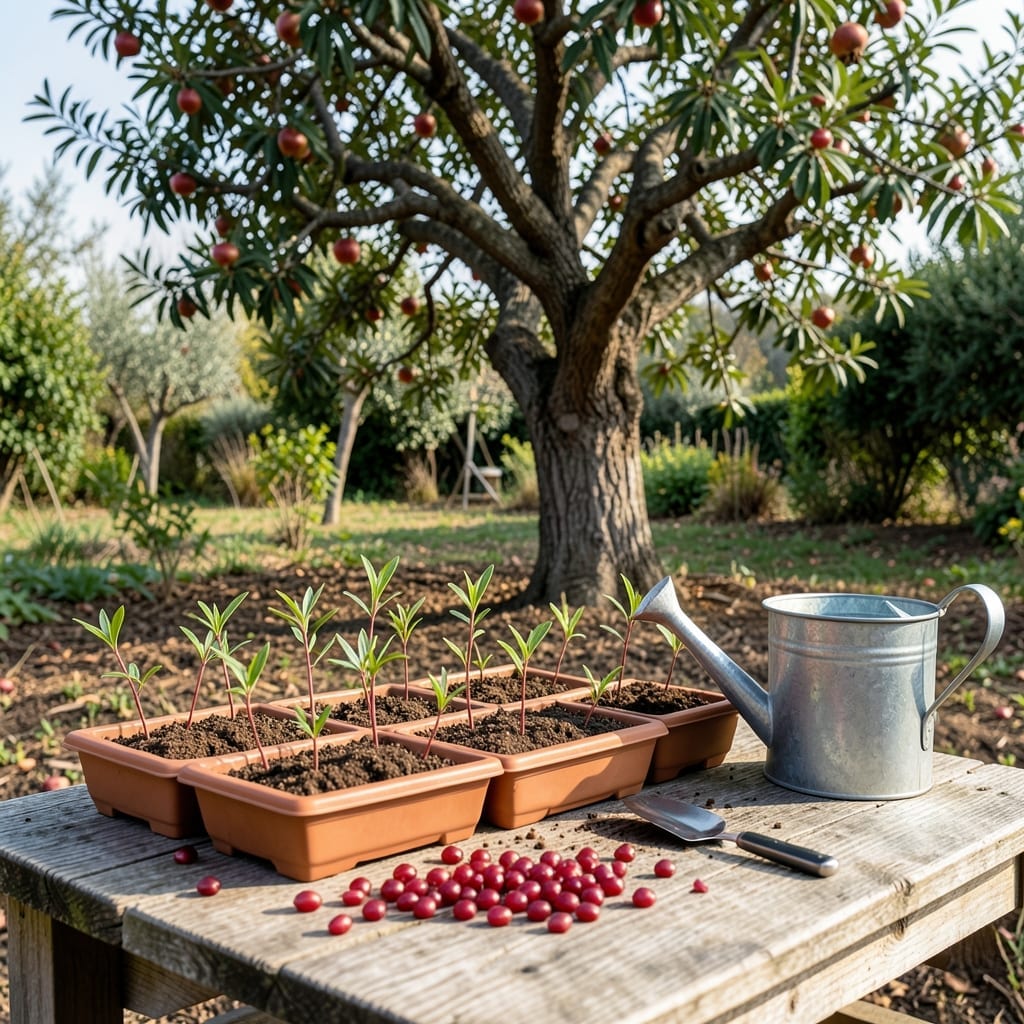
Growing a Pomegranate Tree 🍇 from seeds is a rewarding project that lets you nurture a fruit-bearing plant from scratch. While it requires patience and the right techniques, the process is surprisingly simple with proper guidance.
I’ve discovered that starting with fresh seeds and providing the ideal conditions makes all the difference. You’ll be amazed at how quickly those tiny seeds can transform into thriving seedlings.
Discover the step-by-step approach that turns this seemingly complex task into an enjoyable gardening adventure. Let’s get those seeds sprouting!
Starting a pomegranate tree from seeds begins with selecting the freshest seeds from a ripe fruit. I always choose plump, white seeds and clean off any pulp to prevent mold during germination. This simple step significantly boosts your success rate.
Soaking the seeds in lukewarm water for 24 hours softens the outer shell, making it easier for the seedling to emerge. I’ve found this pre-treatment cuts germination time nearly in half compared to dry planting.
For the planting medium, I recommend a mix of 50% potting soil and 50% perlite or vermiculite. This combination provides the drainage pomegranate seeds need while retaining enough moisture for germination.
Fill your seed trays or small pots with the mix, then plant each seed about 1/4 inch deep. I use my finger to create small indentations, ensuring the seeds have enough contact with the soil without being buried too deeply.
After planting, mist the soil lightly with water. The key is keeping it consistently moist but never waterlogged. I check daily and mist as needed, usually every 1-2 days depending on humidity levels.
Place your trays in a warm location with bright, indirect light. A sunny windowsill works well, but avoid direct sunlight which can dry out the soil too quickly. I’ve had great success using a heat mat to maintain the ideal temperature.
Germination typically occurs in 2-4 weeks, though it can take longer. Be patient and maintain consistent conditions. Once sprouts appear, move them to direct sunlight gradually to avoid shocking the young seedlings.
When your seedlings develop 2-3 true leaves, it’s time to transplant them into individual pots. I use 3-inch pots filled with the same well-draining mix, being careful not to damage the delicate roots during the move.
Remember that pomegranate trees started from seeds may take 3-5 years to bear fruit. This longer timeline is normal and part of the rewarding process of growing from seed. The wait is worth it when you see your tree thrive and eventually produce fruit.
For best results, keep your seedlings in a consistent environment and avoid sudden temperature changes. I’ve found that maintaining 70-85°F during the day and no lower than 60°F at night works best for healthy growth. ☀️
Once your pomegranate seeds have sprouted, providing the right growing conditions is crucial for healthy development. I’ve learned that these young plants thrive with consistent care and specific environmental factors.
The most important factor is light exposure. Seedlings need 6-8 hours of direct sunlight daily to grow strong and sturdy. If growing indoors, place them near a south-facing window or use grow lights.
| Requirement | Specification |
|---|---|
| Sunlight | 6-8 hours daily |
| Temperature | 70-85°F |
| Watering | Keep soil moist |
| Soil Type | Well-draining mix |
| Humidity | Moderate levels |
For temperature, maintain a range between 70-85°F during the day. At night, avoid letting temperatures drop below 60°F, as this can stress the young plants. I use a small space heater in cooler months to maintain consistency.
Watering is another critical aspect. Keep the soil consistently moist but never soggy. I water my seedlings when the top inch of soil feels dry, typically every 2-3 days in warm weather. Use a spray bottle for gentle watering.
Avoid overwatering, which can lead to root rot. Ensure your pots have drainage holes and use a well-draining soil mix. I add perlite to my potting soil to improve drainage and prevent waterlogging.
Finally, protect your seedlings from strong winds and extreme temperatures. If growing outdoors, consider using a cloche or cold frame for added protection during the early stages. I’ve found this helps my seedlings establish stronger root systems. 🌱