
Beautiful Plants For Your Interior
Beautiful Plants For Your Interior
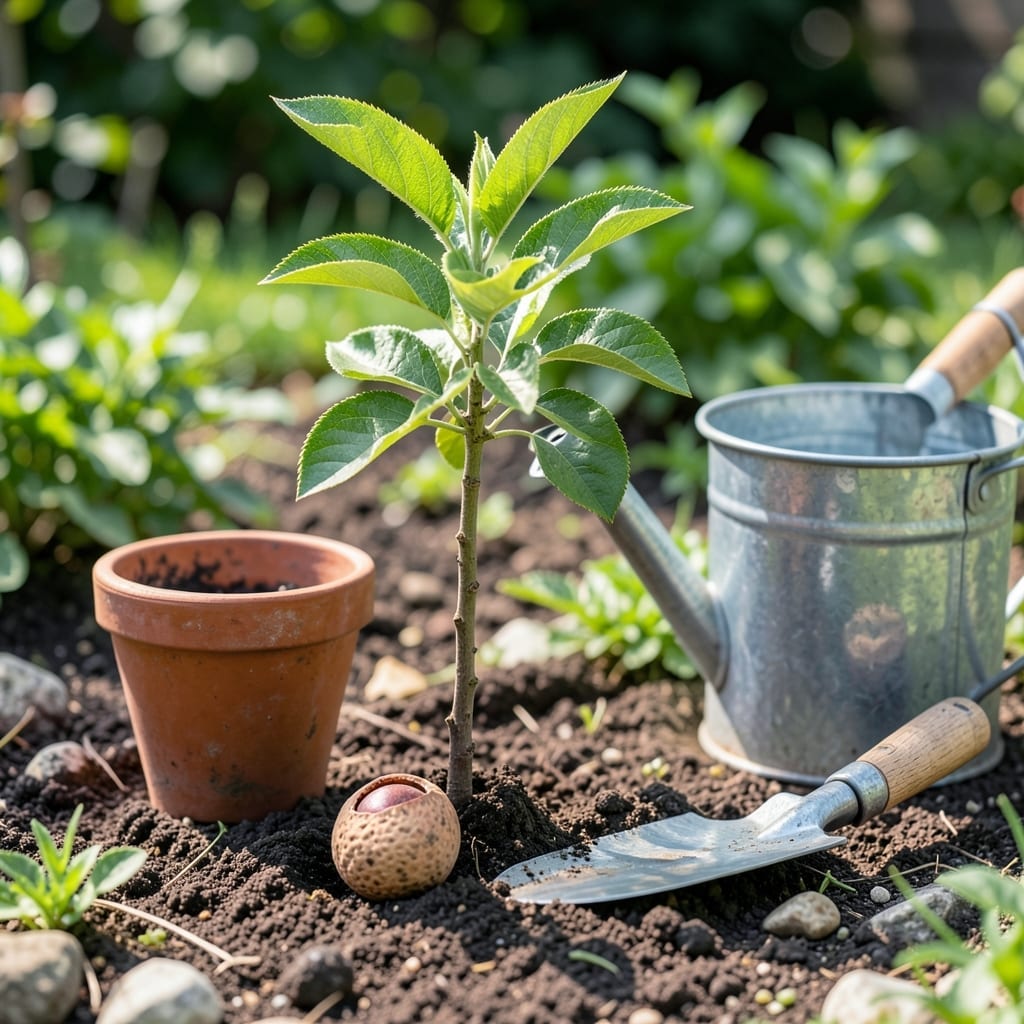
Imagine biting into a juicy 🍑 Nectarine you grew yourself from just a pit. It’s easier than you think to turn that small seed into a thriving tree with the right approach.
I’ve tried this process myself, and with a little patience and care, you can watch your nectarine pit sprout and grow into something amazing. The best part is seeing that first green shoot emerge.
Discover how to prepare the pit, choose the perfect soil, and give your future tree the best start. Let’s get growing!
Starting a nectarine tree from a pit is simpler than many think. The first step is selecting a ripe nectarine with a healthy pit. Avoid cracked or damaged pits, as these won’t germinate well.
Once you’ve removed the pit, clean it thoroughly to remove any fruit residue. This prevents mold during stratification, a crucial cold-treatment process that breaks the seed’s dormancy.
After stratification, plant the pit in a small pot with well-draining soil. The depth should be about 1 inch—just enough to cover it lightly. This encourages proper root development.
Place the pot in a sunny windowsill or under grow lights. Nectarine pits need warmth and light to sprout, so maintain temperatures around 70°F for best results.
Keep the soil consistently moist but avoid overwatering. A spray bottle can help maintain humidity without waterlogging. Germination typically takes 2-4 weeks if conditions are ideal.
Once sprouts appear, move the seedling to brighter light. Thin out weaker sprouts, leaving only the strongest one to grow. This ensures the plant directs all energy into healthy development.
When the seedling reaches 6 inches tall, it’s time to transplant. Choose a larger pot or a sunny garden spot with rich, loamy soil. Space multiple trees at least 10-15 feet apart.
Young nectarine trees need regular watering and protection from pests. Use organic mulch to retain moisture and suppress weeds. With proper care, your tree could bear fruit in 3-5 years. 🌱
Once your nectarine pit sprouts, the real work begins. Young seedlings need consistent moisture but hate soggy roots, so water when the top inch of soil feels dry to the touch.
Provide 6-8 hours of daily sunlight, or use grow lights if starting indoors. Without enough light, seedlings grow leggy and weak, struggling to thrive later on.
🌱 Pro Tip: Use a heat mat to maintain 70-75°F soil for faster growth. Transplant outdoors only after the last frost date.
When seedlings reach 3-4 inches tall, transplant them into larger pots. Use well-draining potting mix with compost for nutrients. This prevents root-bound plants.
Fertilize lightly with a balanced 10-10-10 formula every 4-6 weeks during the growing season. Too much fertilizer can burn tender roots, so always follow package instructions.
Protect seedlings from pests like aphids with neem oil sprays. Watch for yellowing leaves, which often signal overwatering or nutrient deficiencies that need quick attention.
As your nectarine grows, harden it off before moving outside. Gradually increase outdoor exposure over 7-10 days to prevent shock from sudden environmental changes. ☀️