
Beautiful Plants For Your Interior
Beautiful Plants For Your Interior
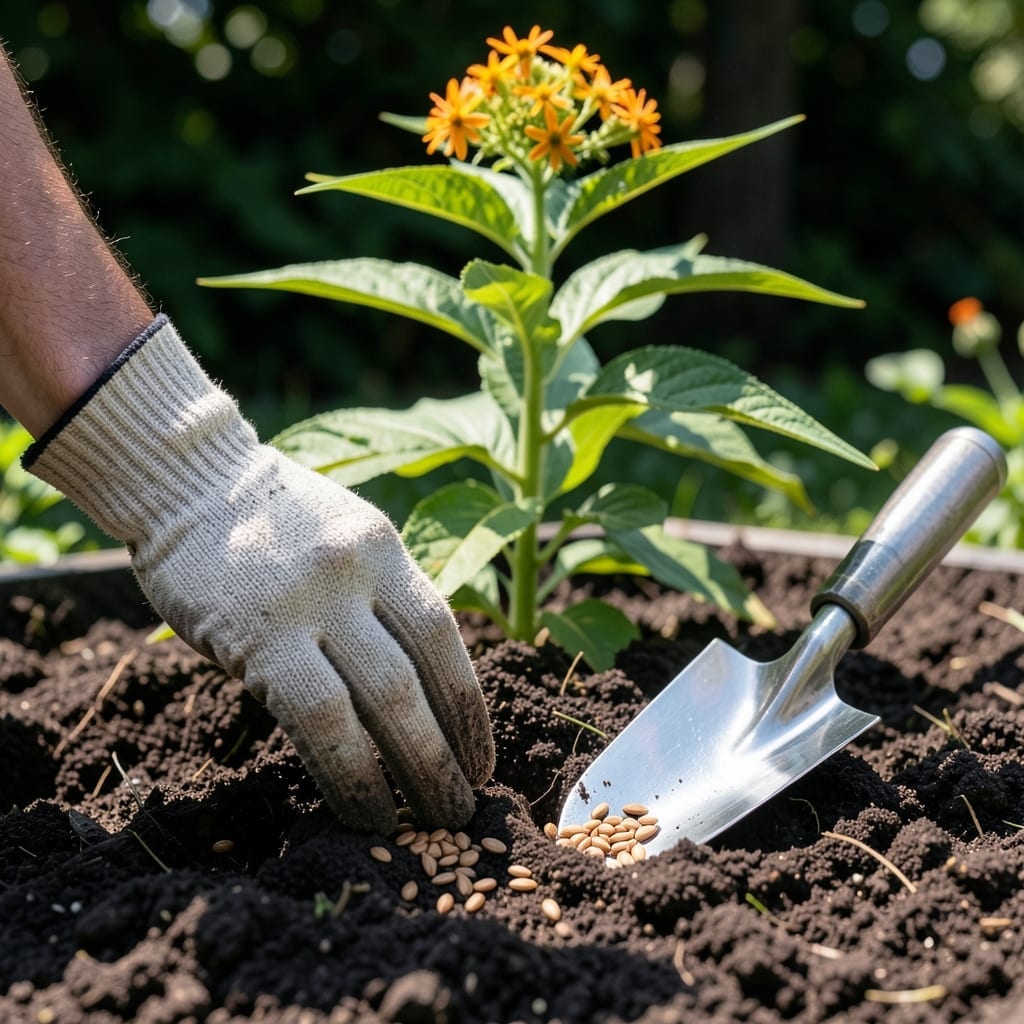
Imagine your garden buzzing with butterflies while supporting the declining monarch population. Planting 🌼 Milkweed makes this possible, and it’s easier than you might think.
This native plant thrives in zone 6 and transforms any space into a pollinator paradise. Whether you’re new to gardening or have years of experience, the process is straightforward.
I’ll walk you through everything from seed preparation to care tips. Let’s discover how to grow this essential plant successfully.

Planting milkweed seeds successfully starts with proper preparation. I always begin by cold stratifying the seeds for 30 days in the fridge to break dormancy and boost germination rates.
This native plant thrives in USDA zone 6 and needs full sun with well-draining soil. Timing is key—plant in spring to early summer for best results.
After cold stratification, plant your seeds 1/4 inch deep in prepared soil. I find that loose, sandy soil works best for drainage and root development.
Space your seeds 12-18 inches apart to give each plant room to grow. Milkweed can reach 4-5 feet tall at maturity, so proper spacing prevents crowding.
Water gently but thoroughly right after planting. The goal is to moisten the soil without washing away the seeds. A spray bottle works well for this.
Keep the soil consistently moist during germination, which typically takes 10-14 days. Once sprouted, reduce watering to weekly as plants establish.
When seedlings develop true leaves, thin them to 12 inches apart. This ensures strong growth and prevents competition for resources.
Milkweed is drought-tolerant once established, but regular watering during the first season helps it thrive. I recommend morning watering to reduce evaporation.
For best results, plant in an area with 6+ hours of direct sunlight. Milkweed performs poorly in shade, so choose your sunniest spot for maximum growth and blooms.
With these steps, you’ll create a vibrant habitat that attracts monarchs and supports your local ecosystem 🌼
Choosing the right milkweed variety ensures success in your garden. I’ve found that common milkweed thrives in most regions, while swamp milkweed loves wetter soil conditions.
Butterfly weed is another favorite, known for its bright orange blooms and drought tolerance. Each type offers unique benefits for pollinators.
| Variety | Soil Type | Sun Needs | Pollinator Appeal |
|---|---|---|---|
| Common Milkweed | Well-draining | Full sun | High (monarchs) |
| Swamp Milkweed | Moist, clay | Full to partial sun | High (bees, butterflies) |
| Butterfly Weed | Sandy, dry | Full sun | Very high (monarchs) |
Common milkweed is the most adaptable, growing in USDA zones 3-9 with minimal care. It’s perfect for beginners and thrives in average garden soil.
Swamp milkweed prefers wet conditions, making it ideal for rain gardens or near ponds. Its pink flowers attract a variety of pollinators, including bees.
Butterfly weed stands out with its vibrant orange blooms and compact size. It’s drought-resistant and perfect for hot, dry climates.
For best results, match the variety to your garden’s conditions. I always recommend planting at least two types to extend the blooming season and support diverse pollinators 🌼
Each variety has its own charm, but all share the same goal: creating a pollinator-friendly space that benefits your local ecosystem.