
Beautiful Plants For Your Interior
Beautiful Plants For Your Interior
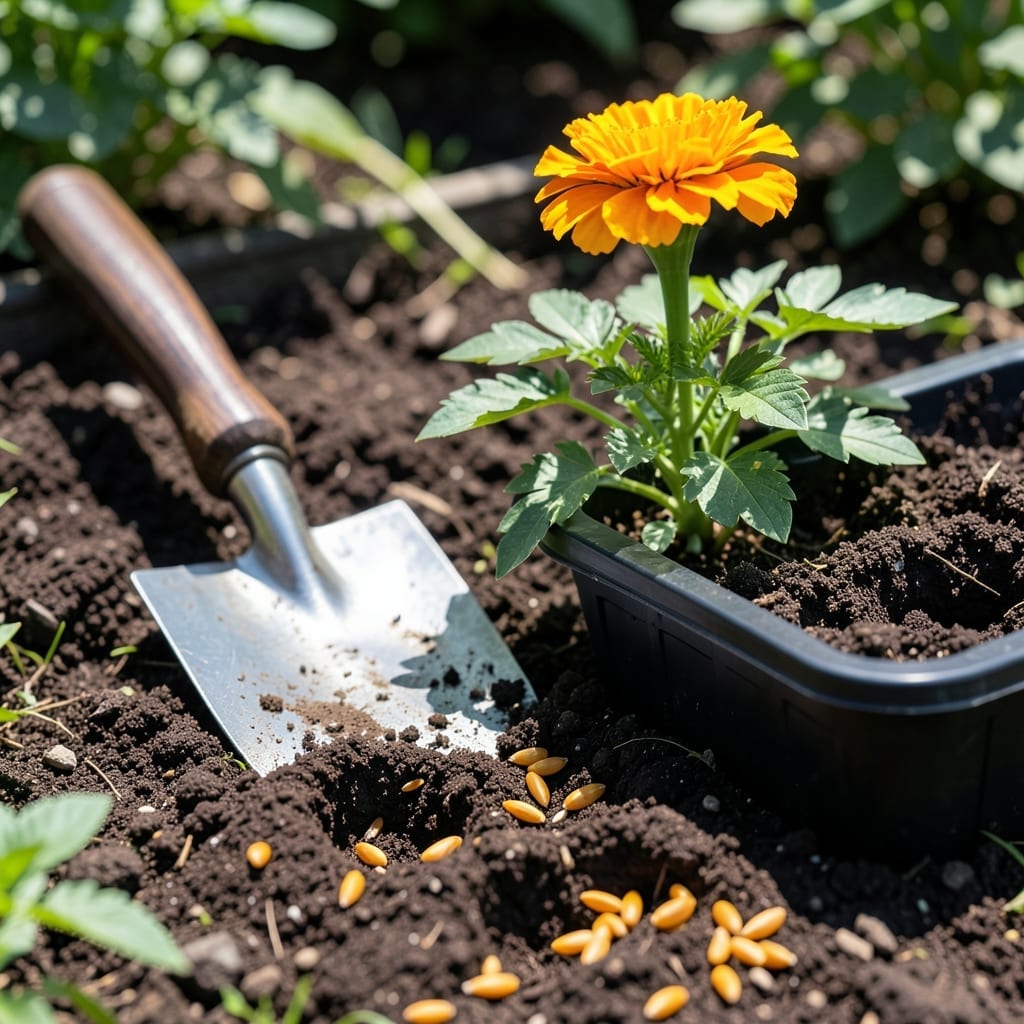
There’s something magical about watching 🌼 Marigold seeds transform into bright, cheerful blooms that light up your garden. These easy-to-grow flowers bring color and even natural pest protection to your outdoor space.
I’ve found that with just a few simple steps, anyone can succeed with Marigolds, even if you’re new to gardening. The key is starting with the right approach from day one.
Discover how to give your seeds the best start for a season filled with vibrant, long-lasting flowers that will make your garden the envy of the neighborhood.
Planting Marigold seeds is a straightforward process whether you start indoors or sow directly outside. I always recommend checking your last frost date first—these warm-season flowers can’t handle cold soil.
For indoor starts, begin 6-8 weeks before the last frost. Use seed-starting mix in trays or small pots to give your seeds the best chance to germinate strongly.
When planting outdoors, wait until soil temperatures reach at least 60°F. Choose a sunny spot with at least 6 hours of direct light daily for best results.
I’ve found that direct sowing works beautifully in prepared garden beds. Simply loosen the soil to a depth of 6 inches and remove any weeds or debris before planting.
For both methods, spacing is crucial. Crowded Marigolds compete for nutrients and sunlight, leading to weaker plants and fewer blooms. Give them room to thrive.
After planting, water gently but thoroughly. A fine mist from a spray bottle works well for seeds to avoid dislodging them. Keep the soil consistently moist during germination.
Once seedlings emerge, usually within 5-10 days, reduce watering slightly but never let the soil dry out completely. Consistency is key for strong root development.
If you started seeds indoors, harden off your seedlings over 7-10 days before transplanting. This gradual exposure to outdoor conditions prevents shock and ensures smoother transition.
Whether you choose French Marigolds or African Marigolds, following these steps will set you up for a season of vibrant, pest-resistant blooms that brighten any garden space 🌼
Creating the ideal environment for Marigold seeds ensures strong germination and vibrant growth. These cheerful flowers thrive in warm conditions with plenty of sunlight and well-drained soil.
I’ve found that soil temperature above 60°F is critical for success. Cooler soil can delay or prevent germination, so patience and proper timing are key for outdoor planting.
| Requirement | Specification |
|---|---|
| Sunlight | 6+ hours daily |
| Soil Type | Well-draining, loamy |
| Soil pH | 6.0-7.0 |
| Temperature | 70-75°F for germination |
| Moisture | Evenly moist, not soggy |
French Marigolds and African Marigolds both prefer full sun, but they can tolerate partial shade in hotter climates. However, too much shade leads to leggy plants with fewer blooms.
For soil preparation, I recommend amending your garden bed with compost or aged manure before planting. This improves drainage and provides essential nutrients for healthy growth.
Watering is another critical factor. While Marigolds are drought-tolerant once established, consistent moisture is vital during germination and early growth. Aim for 1 inch of water per week, adjusting based on rainfall.
If you’re growing in containers, ensure pots have drainage holes to prevent waterlogging. Use a quality potting mix and water when the top inch of soil feels dry 🌼