
Beautiful Plants For Your Interior
Beautiful Plants For Your Interior
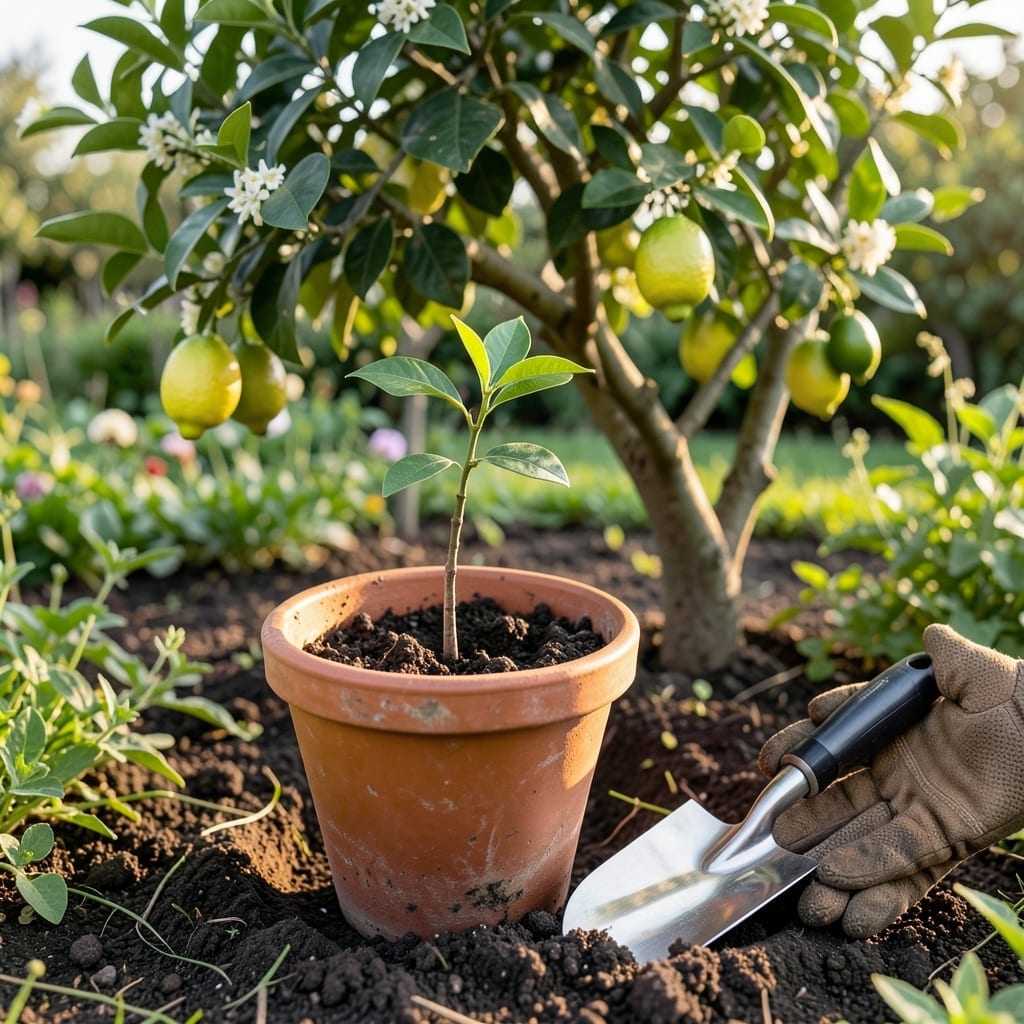
There’s nothing quite like plucking a fresh lemon from your own tree. With the right approach, even first-timers can grow thriving 🍋 Lemon trees that bear fruit for years.
I’ll walk you through the easiest way to get your seedlings off to a strong start. From soil prep to planting depth, you’ll learn how to avoid the most common mistakes.
Discover how simple it can be to cultivate healthy trees in zones 9-11. Let’s dig in and turn your garden into a citrus paradise.


Starting lemon seedlings off right is the key to a fruitful tree. I always begin by selecting healthy seedlings with vibrant green leaves and sturdy stems.
Proper soil preparation makes all the difference. Lemon trees thrive in well-draining soil with a slightly acidic pH of 6.0-7.0. I mix compost into my garden bed before planting.
I find that spacing is crucial for lemon trees. Standard varieties need 15-20 feet between plants, while dwarf types do well with 8-10 feet of space.
The planting depth is another critical factor. I make sure the root crown sits slightly above soil level to prevent rot. This encourages strong root development.
After planting, I always water thoroughly to help the soil settle and eliminate air pockets. This first watering is the most important for your new seedling’s success.
For the first week, I keep the soil consistently moist but not soggy. Overwatering is a common mistake that can lead to root rot in young lemon trees.
I’ve learned that morning watering is best. It allows foliage to dry during the day, reducing the risk of fungal diseases that can harm young seedlings.
Protecting your new planting from strong winds is essential. I use stakes or a temporary windbreak until the tree establishes a strong root system.
Remember that lemon trees in USDA zones 9-11 do best outdoors year-round. In cooler areas, consider container planting so you can move them indoors during winter.
With these steps, your lemon seedlings will have the best chance to grow into healthy, fruit-bearing trees that will reward you for years to come 🌳
Once your lemon seedlings are in the ground, proper care ensures they grow into strong trees. I focus on consistent watering and sunlight exposure to give them the best start 🌱
Watering is critical during the first few weeks. I water my seedlings deeply twice a week, allowing the soil to dry slightly between waterings to prevent root rot.
Lemon seedlings need full sun to thrive. I position mine where they’ll get at least 6-8 hours of direct sunlight daily, especially in morning through afternoon.
I start fertilizing about a month after planting. A balanced 6-6-6 fertilizer works well, applied every 4-6 weeks during the growing season.
Pest control is important for young trees. I inspect leaves regularly for signs of aphids or scale insects, treating with neem oil if needed.
In colder climates, I mulch heavily around the base to protect roots from temperature drops. For zones below 9, consider container planting to move indoors during winter.
With consistent care, your seedlings will establish strong roots and begin producing those beautiful yellow fruits we all love 🌳