
Beautiful Plants For Your Interior
Beautiful Plants For Your Interior
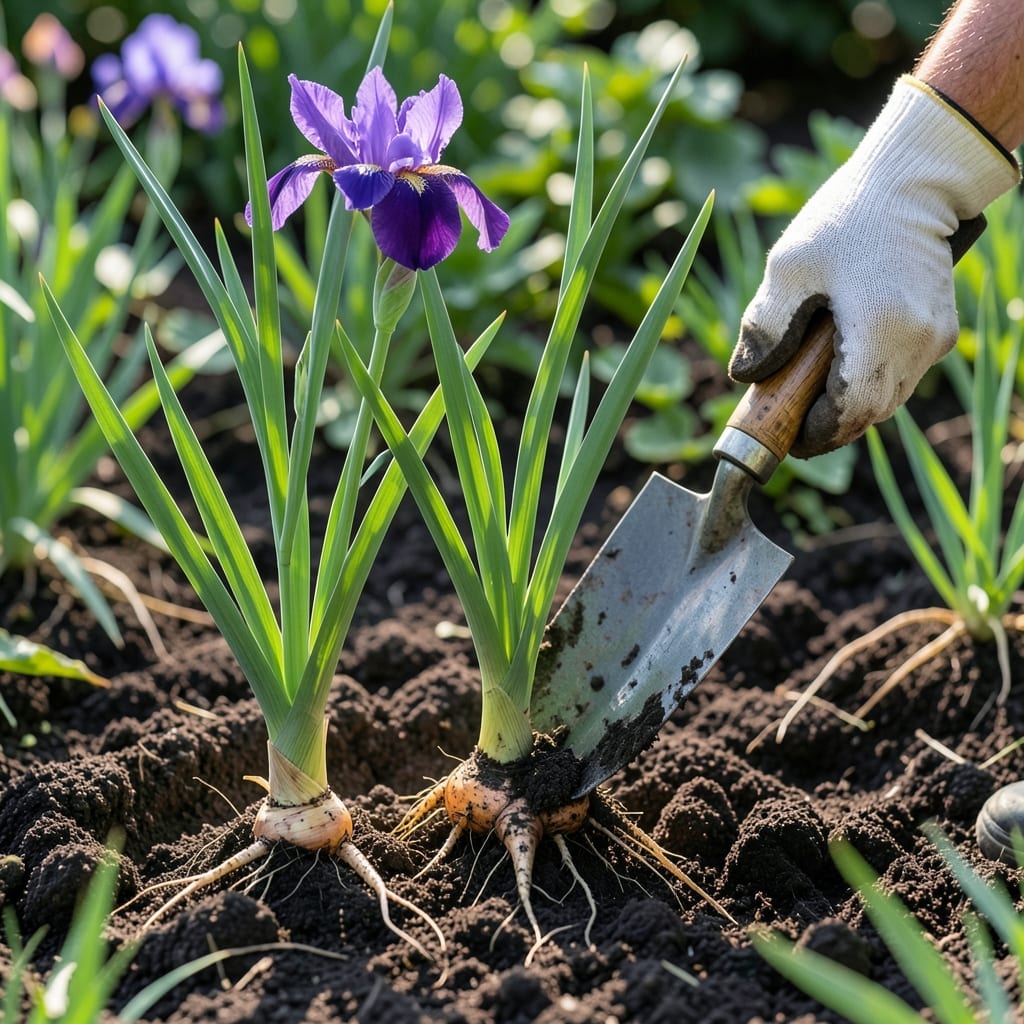
Planting iris bulbs correctly is the key to vibrant, long-lasting blooms that return year after year. Whether you’re a seasoned gardener or just starting out, mastering the basics will ensure your 🌸 Iris thrive with minimal effort.
I’ve learned that timing and technique make all the difference. From choosing the right spot to proper depth and spacing, these details determine whether you’ll get stunning flowers or disappointing results.
Discover the simple steps that transform your garden into a colorful showcase. With just a little know-how, you can enjoy these beautiful perennials for seasons to come.

Planting iris bulbs is a rewarding experience that can transform your garden into a vibrant display of colors. I’ve found that the key to success lies in the details, especially when it comes to timing and preparation.
For best results, aim to plant your iris rhizomes in late summer or early fall, ideally between July and September. This gives the roots time to establish before winter sets in.
I always remind gardeners that drainage is critical for irises. These plants hate soggy roots, so if your soil is heavy clay, consider planting in a raised bed or amending with sand.
The planting depth is another crucial factor. Unlike many bulbs, irises need their rhizomes exposed to sunlight. Burying them too deep is a common mistake that can lead to poor blooming.
For bearded irises, which are the most popular type, ensure they receive at least 6 hours of direct sunlight daily. They thrive in USDA zones 3-9, making them versatile for most gardeners.
After planting, resist the urge to water heavily. Irises prefer moderate moisture, especially during their first growing season. Overwatering can cause the rhizomes to rot, which is a death sentence for these plants.
If you’re planting multiple varieties, consider their mature height. Dwarf irises reach about 1-2 feet, while standard varieties can grow up to 3-4 feet. This helps in planning your garden layout.
Finally, remember that irises are low-maintenance once established. With the right start, they’ll reward you with stunning blooms year after year with minimal care. 🌸
Choosing the right location is essential for healthy iris growth. I always recommend spots with full sun and well-draining soil to prevent root rot. These plants thrive with at least 6 hours of sunlight daily.
Different iris varieties have unique needs. Bearded irises prefer slightly alkaline soil, while Siberian irises tolerate more moisture. Knowing your variety helps you create the perfect environment.
| Iris Variety | Sun Needs | Soil Preference | Spacing |
|---|---|---|---|
| Bearded | Full sun | Well-drained, slightly alkaline | 12-24 inches |
| Siberian | Full sun to partial shade | Moist, acidic to neutral | 18-24 inches |
| Dutch | Full sun | Well-drained, fertile | 4-6 inches |
I’ve found that raised beds work wonderfully for irises in heavy clay soil. They improve drainage and prevent waterlogging, which is crucial for these plants.
For container planting, use large pots with drainage holes. Irises need room to spread, so choose containers at least 12 inches deep and wide. Use a quality potting mix with added perlite for drainage.
USDA zones 3-9 are ideal for most iris varieties. In colder zones, plant rhizomes slightly deeper for winter protection. In warmer zones, provide afternoon shade to prevent scorching.
Remember that air circulation is key to preventing fungal diseases. Avoid crowded plantings and remove debris around the base regularly.
With the right location and conditions, your irises will establish quickly and reward you with spectacular blooms for years to come. 🌸