
Beautiful Plants For Your Interior
Beautiful Plants For Your Interior
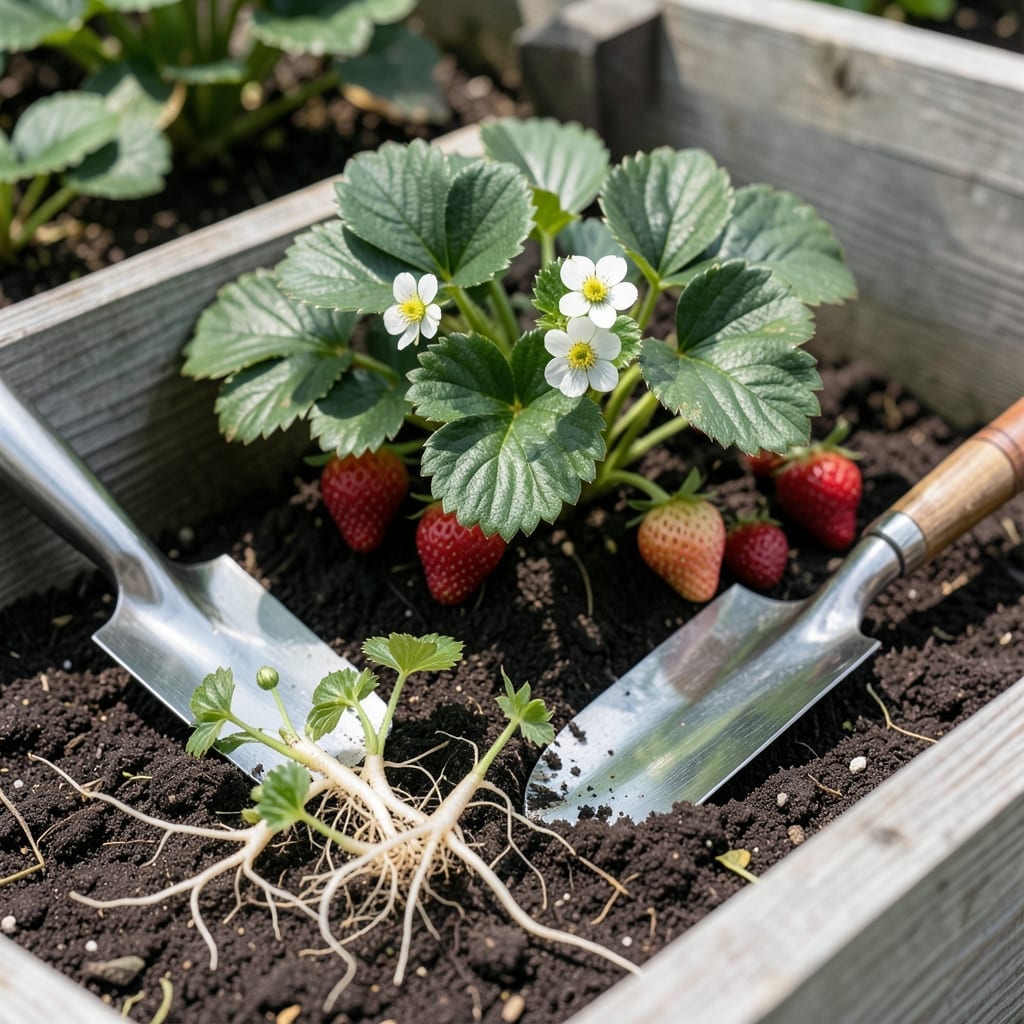
Planting bare root 🍓 Strawberry plants can transform your garden into a fruit-filled paradise, but one wrong move can ruin your harvest before it starts.
I’ve seen too many gardeners struggle with wilted plants because they skipped critical preparation steps. The difference between success and failure often comes down to how you handle those first few hours.
Let me walk you through the most effective method to get your Strawberry plants thriving from the very beginning.

Planting bare root strawberry plants is easier than you think, but timing and technique matter. I always start by soaking the roots for 1-2 hours to rehydrate them before planting. This step prevents transplant shock and kickstarts growth.
Your planting hole should be wide enough to spread the roots without bending them. Depth is critical: the crown (where roots meet leaves) must stay above soil level to avoid rot.
Spacing is another key factor. For June-bearing strawberries, I recommend 18-24 inches between plants. Everbearing or day-neutral types can be closer at 12-18 inches. This gives each plant enough room to thrive.
The soil type makes a big difference. Strawberries love loamy, well-draining soil with a pH of 5.5-6.8. If your soil is heavy clay, mix in compost or sand to improve drainage before planting.
After planting, water thoroughly to settle the soil. I use a soaker hose to avoid wetting the leaves, which can lead to disease. Keep the soil consistently moist but not waterlogged during the first week.
Mulching is a game-changer. I apply a 2-3 inch layer of straw or pine needles around the plants. This keeps the soil cool, retains moisture, and suppresses weeds that could compete with your strawberries.
For best results, plant in early spring as soon as the soil is workable. This gives the roots time to establish before the hot summer months. Avoid planting in frost-prone areas or where water pools.
If you’re planting in containers, ensure they have drainage holes and are at least 8 inches deep. Use a high-quality potting mix and place the container where it will get 6+ hours of sun daily.
Finally, monitor your plants closely for the first few weeks. Look for new leaf growth, which is a sign they’re settling in well. If leaves wilt or yellow, check your watering routine or soil conditions.
With these steps, your bare root strawberry plants will be on their way to producing sweet, juicy fruit in no time 🌱
The right soil conditions can make or break your strawberry patch. I always test my soil pH first—strawberries thrive in 5.5-6.8 range. Anything outside this can stunt growth or reduce fruit quality.
Well-draining soil is non-negotiable. Heavy clay or compacted soil will suffocate roots. I mix in compost and sand to improve texture and ensure water moves through without pooling.
| Requirement | Specification |
|---|---|
| pH Level | 5.5-6.8 |
| Soil Type | Loamy, well-draining |
| Sun Exposure | 6+ hours daily |
| Organic Matter | Compost or aged manure |
Full sun is ideal for strawberries. They need 6+ hours of direct light daily to produce the sweetest fruit. In hotter climates, afternoon shade can prevent scorching, but don’t skimp on morning sun.
Avoid low spots where water collects or areas with poor air circulation. Both can lead to fungal diseases or root rot. Raised beds are a great solution if your yard has drainage issues.
If your soil is sandy, add organic matter to retain moisture. For clay soil, amend with compost to break it up. The goal is soil that holds moisture but doesn’t stay soggy.
Finally, rotate your planting location if possible. Avoid planting strawberries where tomatoes, peppers, or eggplants grew last year. These crops share pests and diseases that can linger in the soil 🌱