
Beautiful Plants For Your Interior
Beautiful Plants For Your Interior
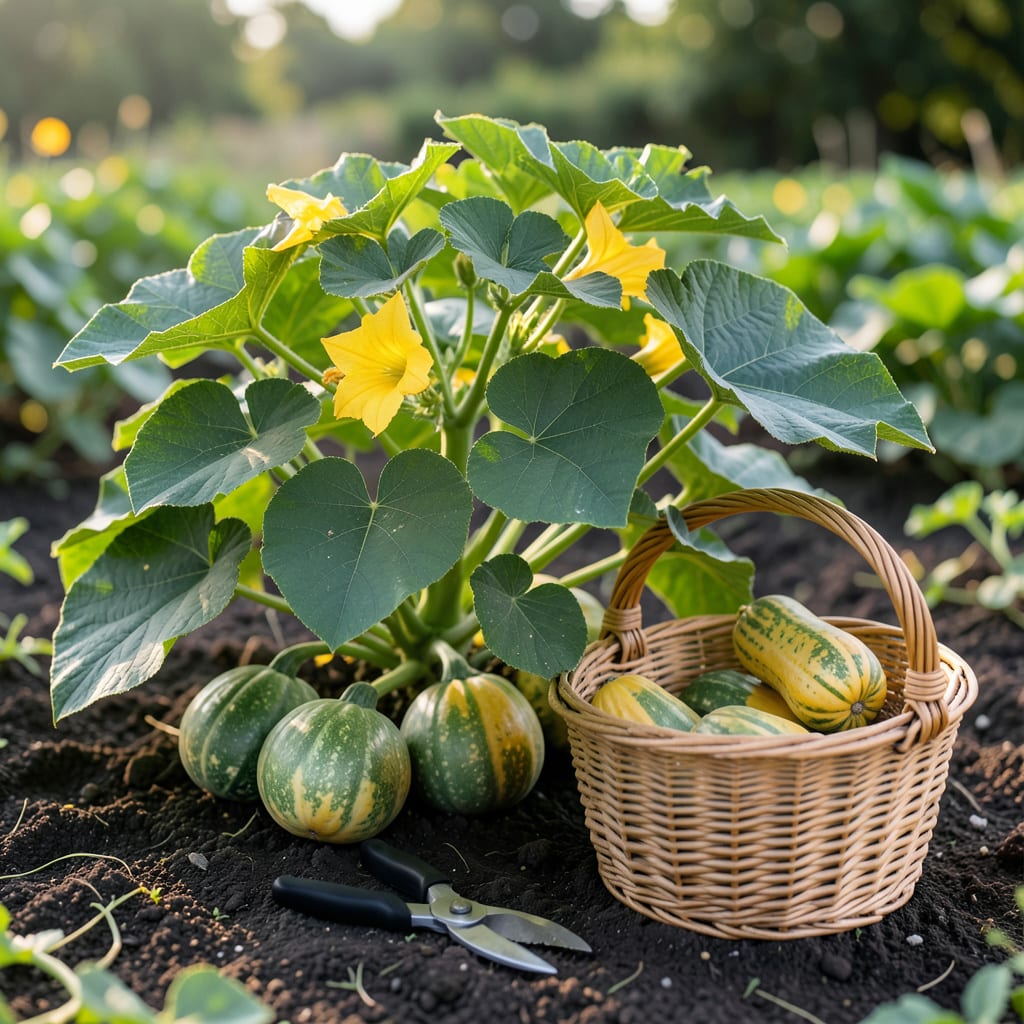
There’s nothing quite like the satisfaction of harvesting your own 🎃 Squash at its peak. But knowing the perfect moment can be tricky for any grower.
Discover the simple signs that tell you your Squash is ready to be picked. I’ll show you exactly what to look for to get the best flavor and yield from your garden.


Knowing the perfect harvest time for squash ensures the best flavor and texture. I always check for visual cues like color deepening and skin hardening to determine ripeness.
Different squash varieties have unique signs, but most follow similar rules. For example, zucchini is best picked when 6-8 inches long, while butternut squash needs a hard, tan rind.
| Variety | Size at Maturity | Ripeness Signs |
|---|---|---|
| Zucchini | 6-8 inches | Firm, glossy skin |
| Butternut | 8-12 inches | Hard, tan rind |
| Acorn | 4-7 inches | Deep green, hard shell |
| Spaghetti | 8-9 inches | Yellow, hard skin |
The stem condition is another key indicator. For most squash, a dry, brown stem means it’s ready, while a green, moist stem suggests it needs more time.
I also pay attention to the vines. When they start to yellow and die back, it’s a strong sign that the squash is mature and ready for picking.
For summer squash like zucchini, harvest when the skin is still tender enough to puncture with a fingernail. Wait too long, and the seeds become large and the flesh fibrous.
Winter squash varieties, such as butternut and acorn, require a hard rind that resists puncturing. This indicates full maturity and better storage potential.
Color is a great visual cue. Zucchini should be a deep green, while butternut squash transitions from green to a uniform tan when ripe.
Size matters too. Most squash varieties have an ideal size range for picking. For instance, acorn squash is best at 4-7 inches in diameter.
Always use a sharp knife or pruners to harvest, cutting the stem about 1-2 inches from the fruit. This prevents damage to the plant and the squash itself.
By following these simple guidelines, you’ll ensure a bountiful harvest of perfectly ripe squash every time 🌱
Harvesting squash properly ensures both the plant and fruit stay healthy. I always start by preparing the right tools to make clean cuts and prevent damage to the vines.
Using a sharp knife or pruning shears is essential. Dull tools can crush the stem, making the squash more susceptible to rot and disease.
I always cut the stem at a 45-degree angle to help water run off, reducing the risk of rot. This small step makes a big difference in preserving your harvest.
For summer squash like zucchini, frequent harvesting encourages more production. I check my plants every 2-3 days during peak season to catch them at the perfect size.
Winter squash varieties need a bit more care. After cutting, I let them cure in the sun for a few hours to harden the skin further, which improves storage life.
Always wear gardening gloves when handling squash. The vines and leaves can be rough, and some varieties have prickly stems that might irritate your skin.
By following these simple steps, you’ll keep your plants thriving and your harvest abundant ✂️
Even experienced gardeners can make simple errors when harvesting squash. I’ve learned the hard way that timing and technique matter just as much as plant care throughout the season.
One of the most common mistakes is harvesting too early or too late. Picking summer squash like zucchini when it’s oversized leads to tough, seedy fruit that lacks flavor.
⚠️ Warning: Avoid these squash-picking pitfalls to protect your harvest and plants.
Another mistake is using dull tools. A clean, sharp cut prevents stem crushing, which can introduce disease and reduce the squash’s storage life.
I also see gardeners twisting squash off the vine instead of cutting. This can damage the plant and reduce future yields, especially with summer varieties that produce continuously.
Finally, ignoring the plant’s condition can be costly. If the vines are diseased or pest-ridden, harvesting without addressing the issue can spread problems to the rest of your garden.
By avoiding these common mistakes, you’ll enjoy a healthier garden and better-tasting squash 🌱
Use a sharp knife or pruning shears for clean cuts. Dull tools crush stems, which can lead to rot. Always leave 1-2 inches of stem attached to the fruit.
For summer varieties like zucchini, check every 2-3 days during peak season. They grow quickly and can become oversized if left too long.
No, a soft rind means it’s not ready. Wait until the skin is hard and can’t be punctured by a fingernail, especially for winter squash like butternut or acorn.
Twisting can damage the vine, reducing future yields. Always cut with a tool instead to keep the plant healthy and productive.
