
Beautiful Plants For Your Interior
Beautiful Plants For Your Interior
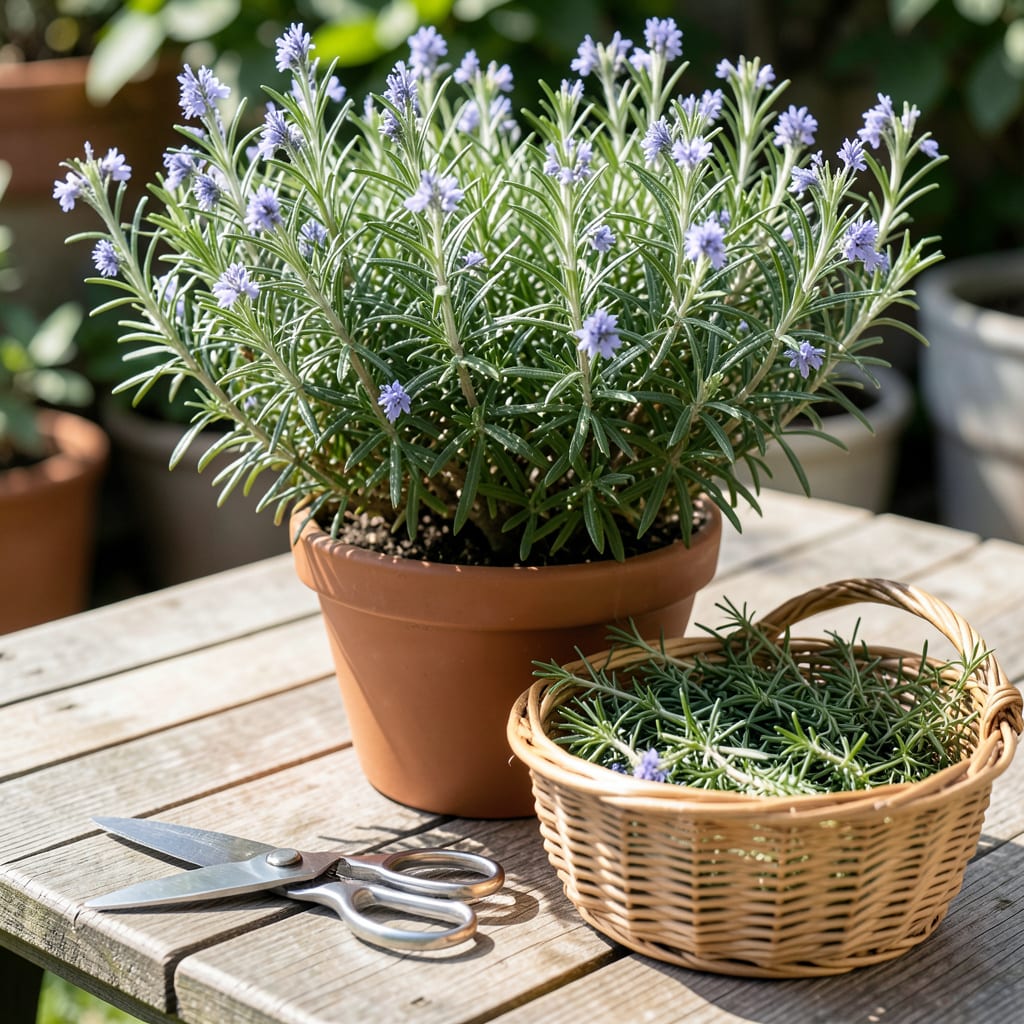
Nothing beats the aroma of fresh 🌿 Rosemary in your favorite dishes. But picking it the wrong way can harm your plant and weaken future growth.
I’ll show you the best time and technique to harvest Rosemary without damaging it, so you get maximum flavor and keep your plant thriving year-round.


I always tell gardeners that timing is everything when harvesting rosemary. This woody perennial can be picked year-round in mild climates, but there are ideal windows for peak flavor and plant health.
The best time to harvest is in the morning after dew evaporates but before the heat of midday. This is when the essential oils are most concentrated in the leaves, giving you the strongest aroma and flavor.
| Harvest Factor | Ideal Condition |
|---|---|
| Time of Day | Morning (after dew dries) |
| Plant Age | 90+ days for first harvest |
| Stem Condition | Woody base with green tips |
| Leaf Color | Deep green and fragrant |
In cooler climates, I recommend waiting until spring or summer when the plant is actively growing. The new growth will have the most intense flavor, especially if you’ve been pruning regularly to encourage bushiness.
Look for multiple branching stems as a sign your rosemary is ready. The needle-like leaves should be a rich deep green and release a strong scent when crushed between your fingers. This indicates high oil content.
Avoid harvesting when the plant is wet from rain or in the hottest part of the day. Wet foliage can lead to mold, and midday heat can cause the oils to dissipate, resulting in less flavorful herbs.
For established plants, I harvest throughout the growing season, but I always stop about 4-6 weeks before the first expected frost. This gives the plant time to harden off for winter.
In container gardens, the same rules apply. Just make sure your potted rosemary has good drainage and isn’t waterlogged when you harvest. The soil should be dry to the touch at the surface.
Remember that young plants need time to establish. I wait until my rosemary is at least 1 foot tall before taking the first cutting. This ensures the plant has enough foliage to recover.
Finally, trust your nose. If the aroma is strong and the stems snap easily, your rosemary is ready to pick. This simple test never fails me in my own garden.
Harvesting at the right time rewards you with more fragrant and flavorful sprigs while keeping your plant healthy and productive 🌿
I always use sharp pruning shears or clean scissors when harvesting rosemary. This ensures clean cuts that won’t crush the stems or invite disease to your woody herb.
Never pull sprigs by hand, as this can damage the root system and stress the plant. Instead, I focus on cutting just above a leaf node where new growth emerges. This encourages the plant to branch out and become bushier.
I never harvest more than one-third of the plant at a time. This preserves enough foliage for the rosemary to continue photosynthesizing and growing. For young plants, I take even less to avoid stunting their development.
The 45-degree angle cut is crucial because it allows water to run off rather than pooling on the stem, which could lead to rot. I also make sure my tools are sterilized with rubbing alcohol between plants to prevent disease spread.
After harvesting, I give my rosemary a light watering if the soil feels dry. This helps the plant recover from the stress of pruning. In hot climates, I might also provide some afternoon shade for a day or two after a heavy harvest.
For container-grown rosemary, the process is identical, but I’m extra careful not to over-harvest since potted plants have more limited resources. I also check that the drainage holes aren’t blocked after watering post-harvest.
Following these steps keeps my rosemary healthy and productive for years ✂️
Even experienced gardeners can make mistakes when picking rosemary. The most common error I see is over-harvesting from a single plant, which can stress it and slow future growth.
Another frequent misstep is using dull pruning shears. Clean, sharp cuts help the plant heal faster, while jagged tears from dull tools can invite disease and pests.
⚠️ Warning: Never harvest more than 1/3 of the plant at once. This can weaken rosemary and reduce its ability to recover and produce new growth.
Timing mistakes are also common. Picking wet rosemary in the morning before dew dries can lead to mold issues. Always wait until the foliage is dry to the touch.
Some gardeners harvest too late in the season. In colder climates, stop picking 4-6 weeks before frost to give the plant time to prepare for winter dormancy.
Finally, avoid harvesting from young plants that aren’t established. I recommend waiting until your rosemary is at least 1 foot tall with multiple woody stems before taking cuttings.
By avoiding these mistakes, you’ll keep your rosemary healthy and productive for years to come ✂️
Early morning after dew evaporates but before midday heat. This is when essential oils are most concentrated for maximum flavor and aroma.
Never remove more than 1/3 of the plant at a time. This ensures healthy regrowth. For young plants, take even less to avoid stress.
Always use sharp pruning shears or clean scissors. Dull tools crush stems and can invite disease. Sterilize between uses for best results.
Wait until your rosemary reaches at least 1 foot tall with woody stems. Harvesting too early can stunt growth and weaken the plant.
