
Beautiful Plants For Your Interior
Beautiful Plants For Your Interior
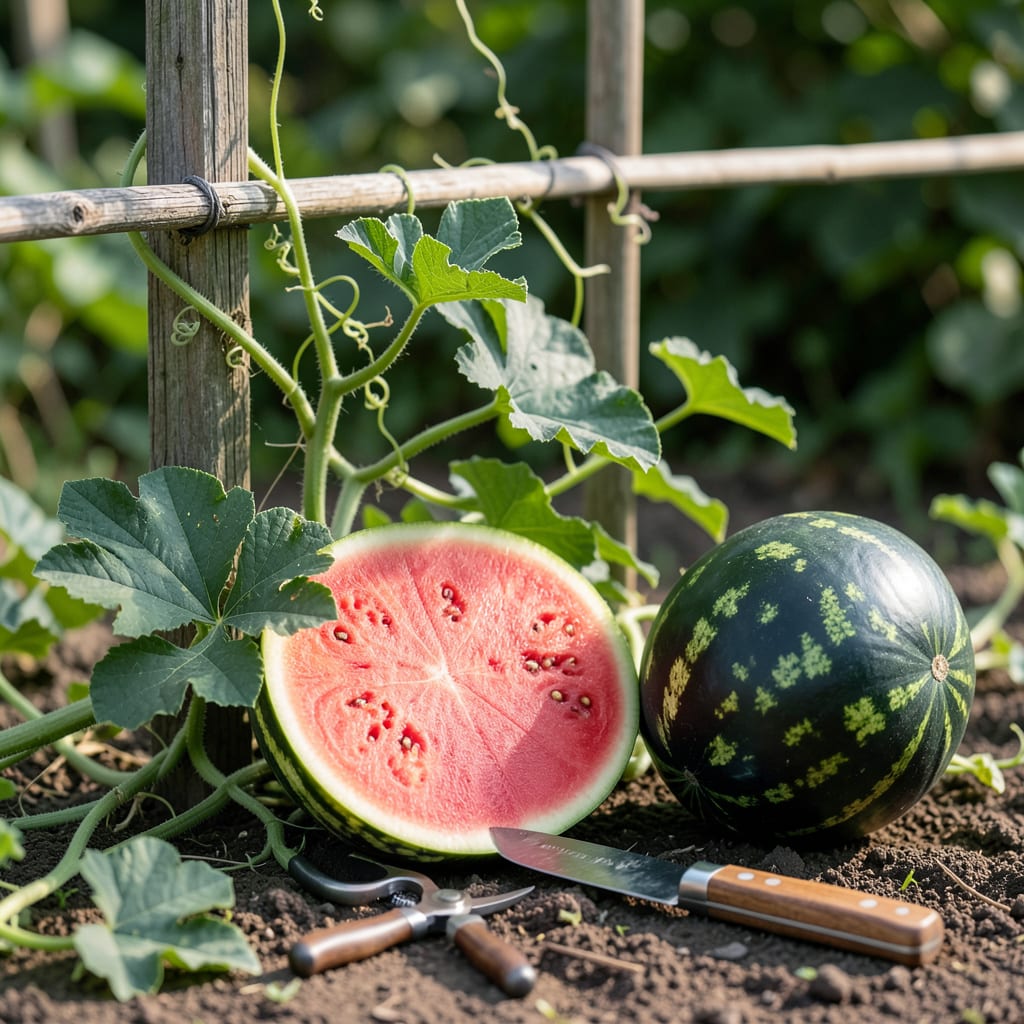
Nothing beats the rich, honey-sweet flavor of a perfectly ripe Black Diamond 🍉—but picking the right one can feel like a mystery.
I’ll share the expert signs to spot a winner every time. Whether you’re at the market or in your garden, these tips ensure you take home the sweetest fruit.


Picking a Black Diamond watermelon at peak ripeness ensures the sweetest, juiciest flavor. I always start by examining the ground spot—this is where the melon rested on the soil.
A cream or yellow ground spot signals it’s ready, while a white or pale green one means it needs more time. The rind should look dull and matte, not shiny. ☀️
| Ripeness Sign | What to Look For |
| Ground Spot | Yellow or cream color |
| Rind Appearance | Dull, not shiny |
| Tap Test | Deep, hollow sound |
| Stem Tendril | Brown and dried |
| Weight | Feels heavy for size |
The tap test is another foolproof method. Gently tap the melon with your knuckles—a deep, hollow sound means it’s ripe, while a high-pitched tone indicates it’s underripe.
I also check the stem tendril. When it turns brown and crispy, the watermelon is usually ready. This works best if you’re growing your own and can monitor the vine.
Weight matters too. A ripe Black Diamond should feel heavy for its size. Compare two similar-sized melons—the heavier one is often the juicier, sweeter choice.
Don’t overlook the rind’s firmness. Press your thumbnail into the rind. If it resists piercing, the melon is ripe. If it gives easily, it needs more time on the vine. 🌱
For garden-grown melons, I always watch for the curly tendrils near the stem. Once they turn brown and dry, it’s a clear sign the fruit is ready to harvest.
If you’re at the market, look for melons with a uniform shape and no flat sides. These often indicate consistent growth and better flavor development.
Finally, trust your instincts. Combine these signs—ground spot, tap sound, weight, and rind texture—for the most reliable results. With practice, you’ll pick perfect Black Diamonds every time. 🌿
Even experienced gardeners can make simple mistakes when picking Black Diamond watermelons. I’ve seen folks judge ripeness by size alone, but bigger doesn’t always mean sweeter.
Another common error is ignoring the ground spot. A white or pale green spot means it’s not ready, no matter how good it looks otherwise.
Misinterpreting the tap sound is another pitfall. A high-pitched tone means underripe, but a flat sound might indicate overripeness. Practice makes perfect here.
I’ve also seen people overlook the stem condition. If the stem is still green and fresh, the melon isn’t ready. Wait for it to turn brown and dry. 🌱
At the market, avoid melons with flat sides or irregular shapes. These often grew unevenly and may have poor texture or inconsistent sweetness.
Lastly, don’t skip the weight test. A ripe Black Diamond should feel heavy for its size. Lighter melons often lack juice and sweetness.
By avoiding these mistakes, you’ll consistently pick the sweetest, juiciest Black Diamonds every time. Trust the signs, not just the looks. 🌿
Once you’ve picked a perfectly ripe Black Diamond watermelon, proper storage keeps it sweet and fresh. I always start by leaving it at room temperature if I plan to eat it soon.
For short-term storage, keep it in a cool, dry place away from direct sunlight. This preserves its flavor for up to 1-2 weeks. 🌱
If you’ve cut into the melon, wrap the remaining pieces tightly in plastic wrap or place them in a sealed container. This keeps them juicy and flavorful in the fridge for a few days.
For long-term storage, uncut Black Diamonds can last up to 3-4 weeks in a cool basement or root cellar. Just ensure the humidity isn’t too high to prevent mold.
Never store watermelons near ethylene-producing fruits like apples or bananas. This gas can speed up ripening and spoilage. With these tips, your Black Diamond will stay deliciously fresh. 🌿
A ripe one has a cream or yellow ground spot. If it’s white or pale green, the melon needs more time to ripen.
Not necessarily. A heavy-for-size melon is usually juicier, but always check other signs like the tap sound and rind texture.
Tap the melon with your knuckles—a deep, hollow sound means ripe. A high-pitched tone indicates it’s underripe.
Keep it whole at 50-60°F in a cool, dry place. Once cut, refrigerate in an airtight container for up to 3-4 days.
