
Beautiful Plants For Your Interior
Beautiful Plants For Your Interior
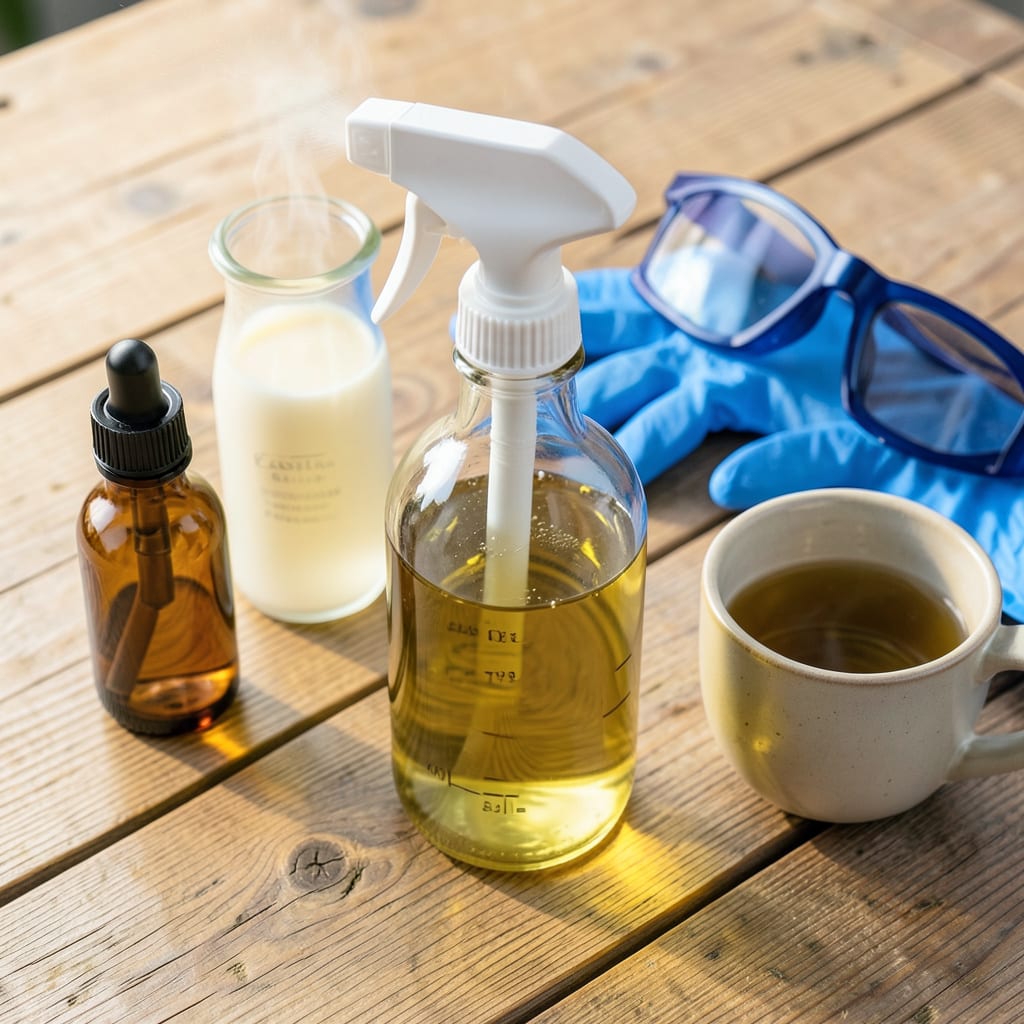
Neem oil changed my garden game completely. This natural concentrate tackles pests, fungi, and mites without harsh chemicals—but only if you mix it right. I ruined my first batch by skipping the emulsifier, and the oil just floated uselessly on top of the water. Now I follow a foolproof ratio that keeps plants protected without harming beneficial insects.
The secret is in the dilution: 1-2 tablespoons per gallon of water for most applications, plus a drop of mild soap to help it blend. Apply at dusk to avoid leaf burn, and you’ll see pests disappear within days. No more chewed leaves or powdery mildew—just healthy plants that actually thrive. Here’s exactly how to get it right every time.
📚 In This Guide
Here’s the method I use to create a perfectly balanced neem oil spray—every time.
Before you begin, collect cold-pressed neem oil concentrate, mild liquid soap (I use Castile), warm water, and a clean spray bottle. Don’t skip the soap—it acts as an emulsifier to prevent oil and water from separating. I always wear gloves and eye protection because concentrated neem oil can irritate skin and eyes.
Choose a spray bottle that hasn’t contained chemicals or cleaners. A dedicated garden sprayer works best. If reusing a bottle, rinse it thoroughly with hot, soapy water first. You’ll need about 1 gallon of water for standard dilution, but you can scale this down to 1 quart if you prefer a smaller batch.
Start by adding 1 teaspoon of mild liquid soap to your spray bottle. This small amount is crucial—it helps the oil disperse evenly in water. Next, add 1-2 tablespoons of neem oil concentrate (1 tablespoon for prevention, 2 for active pest problems). The oil will float on top initially, which is normal.
Slowly pour in 1 gallon of warm water (or 1 quart for smaller batches), leaving some space at the top. Warm water helps the oil disperse better than cold. Don’t fill to the brim—you’ll need room to shake the mixture vigorously. The water should feel warm to the touch but not hot enough to burn your skin.
Seal the spray bottle tightly and shake for at least 30 seconds. You’re aiming for a milky, uniform liquid—no oil slicks floating on top. I find it helps to swirl the bottle in a circular motion after shaking to catch any remaining oil droplets. The mixture should maintain this cloudy appearance for several minutes before use.
Check the spray nozzle by testing a small amount on a non-plant surface. The spray should come out as a fine mist, not large droplets. If it clogs, the oil-to-soap ratio might be off. In that case, add another ½ teaspoon of soap and shake again. This usually resolves any clogging issues.
Use the mixture immediately after preparing—neem oil separates quickly. Spray plants in the early morning or late evening to avoid leaf burn from sun exposure. Cover both the tops and undersides of leaves thoroughly, as pests often hide underneath. You’ll see the leaves glisten slightly when properly coated.
For prevention, apply every 7-14 days. For active infestations, spray every 3-5 days until the problem resolves. Always test on a small area first and wait 24 hours to check for any adverse reactions. Some sensitive plants may show leaf burn if the mixture is too strong.
Neem oil mixtures don’t store well—they lose effectiveness after 8 hours. If you have leftovers, use them within that timeframe or dispose of them properly. Never pour neem oil mixtures down drains or into water sources. I pour unused solution onto non-edible plants or compost piles where it can break down naturally.
Rinse your spray bottle immediately after use with hot, soapy water. Neem oil residue can become sticky and difficult to remove if left to dry. Store your neem oil concentrate in a cool, dark place—it maintains potency for 1-2 years when kept properly. Always check the expiration date on your specific product.
Mixing neem oil properly makes all the difference between an effective pest treatment and a wasted effort. Here’s what I’ve learned from years of garden trials.
Emulsification is Everything: In Step 3, when you shake the mixture for those critical 30 seconds, don’t stop until you see a uniform milky appearance. I’ve found that swirling the bottle in a circular motion after shaking helps catch any lingering oil droplets that might otherwise clog your sprayer. The mixture should maintain this cloudy look for several minutes before application – if it separates quickly, you’ll need to add that extra ½ teaspoon of soap mentioned in the instructions.
Water Temperature Matters: The instructions specify warm water for good reason. Cold water causes the neem oil to congeal and separate, while hot water can degrade the oil’s active compounds. I test the water on my wrist first – it should feel comfortably warm but not hot. This simple check prevents many mixing problems before they start.
Application Timing is Crucial: Following Step 4’s guidance about spraying in early morning or late evening isn’t just about avoiding sunburn on leaves. I’ve noticed that pests are often more active during these cooler periods, making your treatment more effective. The 24-hour test period on a small area is also non-negotiable – I once skipped this and lost several sensitive plants to unexpected leaf burn.
Storage Realities: The 8-hour effectiveness window mentioned in Step 5 is absolute. I learned this the hard way when I tried to reuse a mixture after 12 hours and saw zero results. If you have leftovers, either use them immediately on non-edible plants or dispose of them properly. The concentrate itself lasts 1-2 years when stored in a cool, dark place, so don’t worry about waste – just mix smaller batches more frequently.
For preventative care, spray every 2–3 weeks. To treat active pests/fungi, apply once a week until resolved (usually 2–4 treatments). Avoid overuse—neem oil can harm beneficial insects if applied excessively. Always spray in early morning/late evening to prevent leaf burn.
No! Neem oil can react negatively with chemical pesticides or synthetic fertilizers, reducing effectiveness or damaging plants. Safe combos: Mix with mild soap (as an emulsifier) or compost tea. Always patch-test on a small area first.
Once diluted, use the spray within 8 hours for best results—neem oil degrades quickly in water. Store unmixed concentrate in a cool, dark place (lasts 1–2 years). Pro tip: Mix only what you need!
This happens if the emulsifier (soap) ratio is wrong or you shook it insufficiently. Fix it by:
Strain clumps with cheesecloth if needed.
Yes! Try these gentler options:
Always wear gloves/masks when handling neem oil to minimize irritation.
