
Beautiful Plants For Your Interior
Beautiful Plants For Your Interior
I’ll be real with you—watching shrubs grow at a snail’s pace used to frustrate me until I discovered the three key triggers that make them explode with new growth. The difference between a struggling twig and a lush, vibrant shrub often comes down to what happens in the first few months after planting. After killing […]
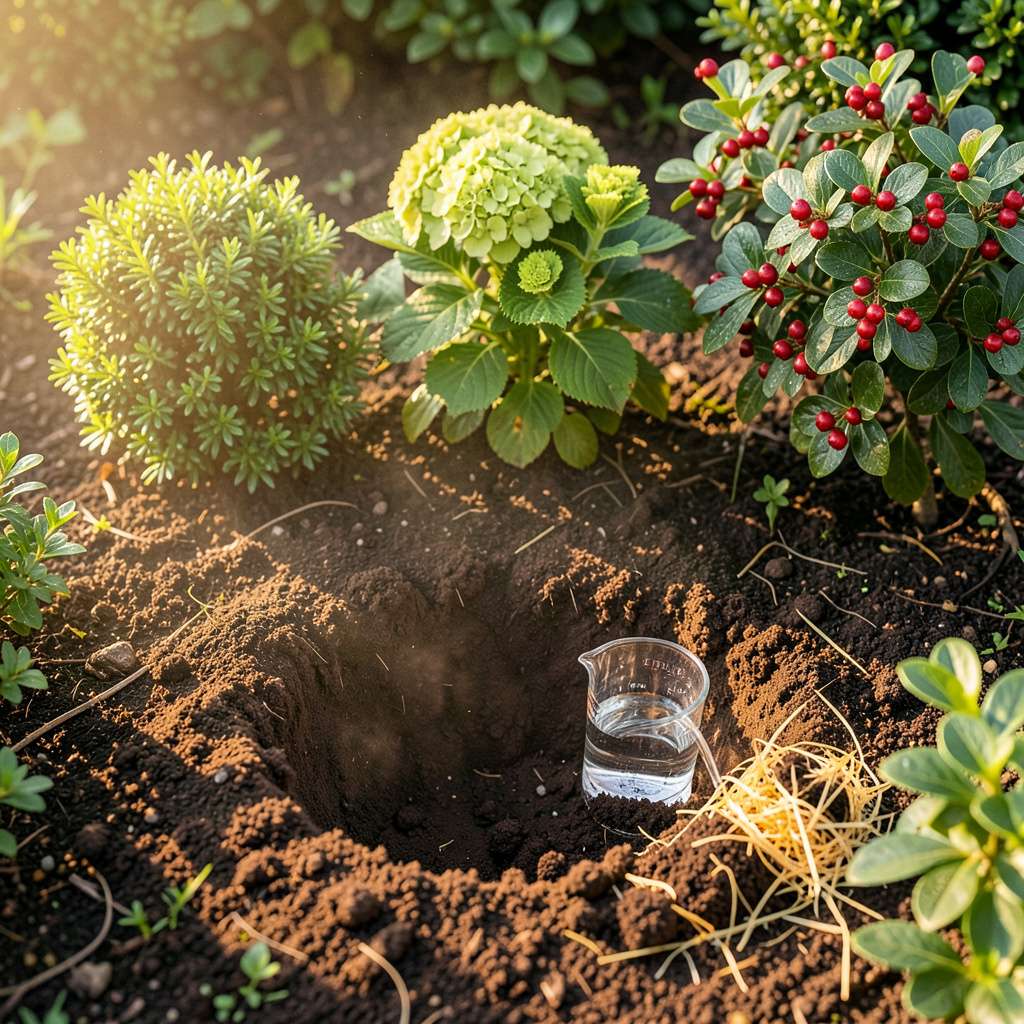
I’ll be real with you—watching shrubs grow at a snail’s pace used to frustrate me until I discovered the three key triggers that make them explode with new growth. The difference between a struggling twig and a lush, vibrant shrub often comes down to what happens in the first few months after planting.
After killing more shrubs than I’d like to admit (mostly from overwatering and wrong fertilizer), I landed on a simple system. It starts with the right soil prep—no fancy amendments needed—just proper drainage and a planting depth that encourages roots to spread fast. Then comes the watering schedule that actually works: deep but infrequent, forcing roots to grow downward.
You’ll see the payoff in weeks, not years. New leaves appear fuller, stems thicken noticeably, and the shrub establishes itself faster than anything I’ve tried before. The technique works for everything from hydrangeas to boxwoods, whether you’re planting in clay soil or sandy patches.
Here’s the thing—most “fast growth” advice focuses on fertilizer, but I’ve found timing and method matter more than the product. Prune at the right moment, water with purpose, and you’ll have neighbors asking how your shrubs got so lush so quickly. Let’s break it down step by step.
📚 In This Guide
Here’s the method I’ve refined over years to get shrubs establishing quickly with vibrant, healthy foliage.
Start by checking your soil’s drainage and composition. Dig a 12-inch deep hole and fill it with water. If it drains completely within 1 hour, you’ve got good drainage. For clay-heavy soil that holds water too long, work in 3-4 inches of compost to improve structure and nutrient availability.
I always recommend a soil test (available at garden centers) to check pH. Most shrubs thrive in 6.0-7.0 pH range. If your soil tests outside this, amend with lime to raise pH or sulfur to lower it. Loosen the soil in a 3-foot diameter area around where you’ll plant—this encourages roots to spread rapidly.
When planting, dig the hole exactly as deep as the root ball but twice as wide. This loose surrounding soil makes it easier for new roots to penetrate outward. Remove any circling roots from container-grown shrubs by gently teasing them apart with your fingers.
Here’s the trick that makes a difference: Mix a handful of mycorrhizal fungi (available as powder) with the backfill soil. This beneficial fungus forms a symbiotic relationship with roots, dramatically increasing water and nutrient absorption. Water thoroughly after planting until you see muddy puddles form at the base—this eliminates air pockets around roots.
For the first 4-6 weeks, water deeply 2-3 times weekly rather than light daily watering. You want moisture to reach 12-18 inches deep to encourage deep root growth. I use the “screwdriver test”—if I can push a screwdriver into soil easily, moisture levels are good.
Apply a balanced 10-10-10 fertilizer at half-strength 3 weeks after planting, then repeat every 6-8 weeks through the growing season. Real talk: More fertilizer isn’t better—it burns roots. You’ll see the fastest growth when you feed consistently but moderately. Mulch with 2-3 inches of wood chips to retain moisture and regulate soil temperature.
This is where most people hesitate, but proper pruning actually accelerates growth. About 6 weeks after planting, when you see 4-6 inches of new growth, trim back the tips of branches by 1-2 inches. This removes the apical bud and forces the plant to branch out, creating denser foliage.
Always cut just above a leaf node (where leaves emerge) at a 45-degree angle. The new growth will sprout from these cut points. I’ve found that shrubs pruned this way in their first season establish 30-50% more branches by the following year compared to unpruned plants.
Check weekly for signs of stress: yellowing leaves often indicate overwatering, while crispy edges suggest underwatering. New growth should be bright green and firm. If you notice slow growth after 8-10 weeks, scratch a teaspoon of granular fertilizer into the soil surface and water deeply.
The real secret? Pay attention to how your specific shrubs respond. Some varieties show visible daily growth in warm weather, while others grow in subtle flushes. I keep a simple journal noting which techniques give the best results for each shrub type—this becomes your personalized growth accelerator guide for future plantings.
After years of experimenting with shrub growth, I’ve learned these key insights that make all the difference between slow progress and explosive foliage development.
Soil Preparation Secret: When testing drainage in Step 1, don’t just watch the clock—observe how the water behaves. If it disappears in less than 1 hour, your soil may be too sandy and need organic matter to retain moisture. That 3-4 inches of compost isn’t just for clay soil; it creates the perfect balance for root development. I’ve found that working compost into the top 6 inches (rather than just surface level) gives roots immediate access to nutrients as they grow downward.
Planting Technique That Changed Everything: In Step 2, when you’re mixing mycorrhizal fungi with backfill soil, here’s what nobody tells you—moisten the powder slightly before mixing. This activates the spores and helps them adhere to roots immediately. The “muddy puddles” mentioned aren’t just for eliminating air pockets; they create the perfect moist environment for the fungi to establish its symbiotic relationship with your shrub’s roots from day one.
Watering Wisdom: During those critical first 4-6 weeks in Step 3, I’ve developed a foolproof method for deep watering. Use a soaker hose coiled in a spiral pattern around the shrub, starting 6 inches from the trunk and extending to the drip line. Run it for 30-45 minutes at low pressure—this mimics slow rainfall and encourages roots to grow outward. The screwdriver test works best when you check multiple spots around the plant, not just near the base where moisture tends to concentrate.
Pruning Pro Tip: When you reach Step 4 and it’s time for that first pruning at 6 weeks, make your cuts just above a leaf node that faces outward from the center of the plant. This directs new growth away from the interior, creating that open, vase-like shape that allows light and air to reach all parts of the shrub. I mark my cuts with a dab of white latex paint—this helps me track where I’ve pruned and prevents over-pruning the same branches.
Most shrubs show visible growth within 4–8 weeks when using fertilizer, proper watering, and pruning techniques. Fast-growing varieties (like hydrangeas or butterfly bushes) may respond in as little as 2–3 weeks, while slower types (e.g., boxwoods) could take a full season. Consistency is key!
Compost, banana peel tea (rich in potassium), or diluted coffee grounds (for acid-loving shrubs like azaleas) work well. Just avoid overdoing it—homemade options lack precise NPK ratios. Test soil pH first to match your shrub’s needs.
Common culprits include:
Rule out pests/diseases too—inspect leaves for spots or holes.
Spring pruning (just after blooming) is ideal for most shrubs—it removes dead wood before new growth starts. Fall pruning can stimulate tender growth vulnerable to frost. Exception: Spring-blooming shrubs (like lilacs) need pruning right after flowers fade.
Top picks for quick privacy:
Pair with fast-growth tips (mulch, fertilizer) for best results.
Growing shrubs fast doesn’t have to be complicated! With the right soil prep, watering routine, and pruning techniques, you’ll see lush, vibrant foliage in no time. 🌿 A little patience and consistency go a long way—your garden will thank you!
Ready to get started? Pick one shrub from your wishlist and apply these tips today. Before you know it, you’ll have a thriving, eye-catching landscape that’s the envy of the neighborhood! 🏡✨
