
Beautiful Plants For Your Interior
Beautiful Plants For Your Interior
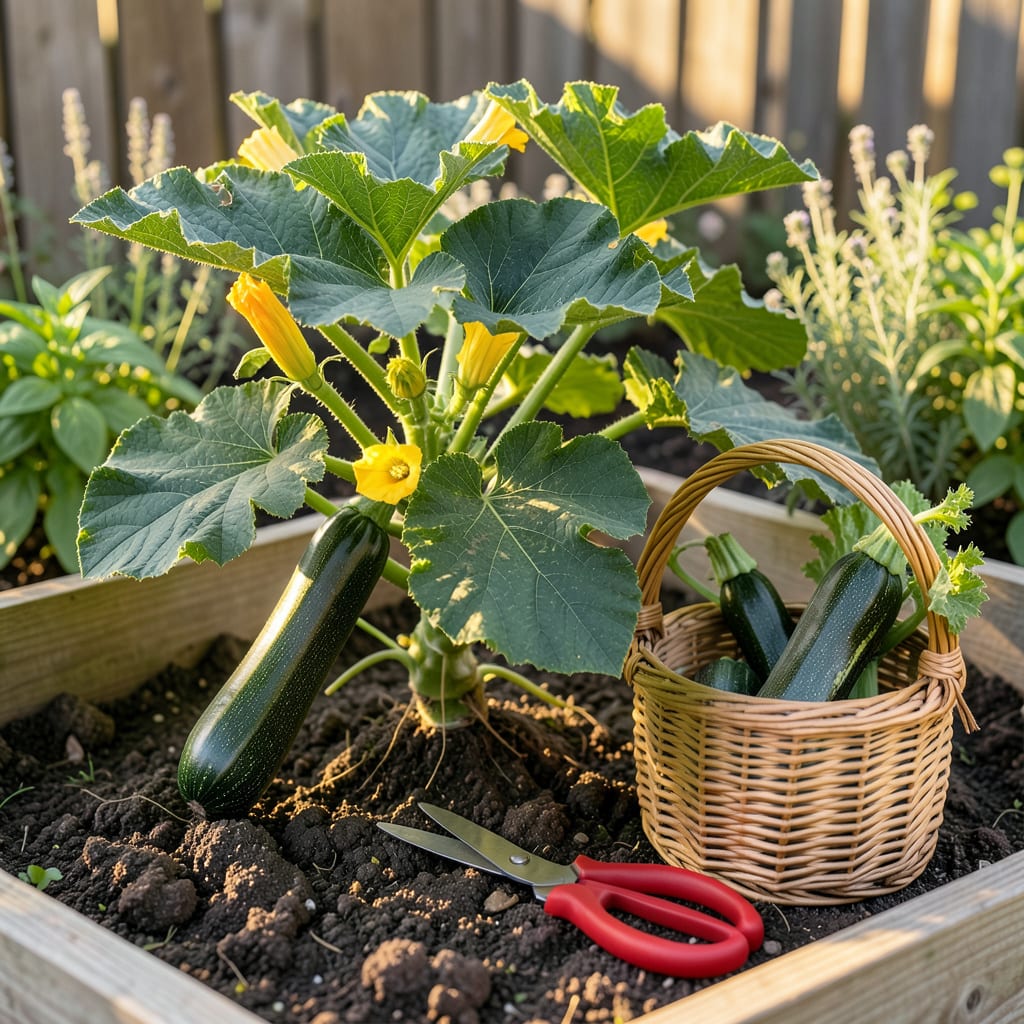
There’s nothing worse than watching your zucchini transform from tender perfection into a baseball bat-sized monster overnight. That’s why nailing the harvest window is the key to enjoying sweet, buttery squash all season—not woody, seedy disappointments.
With just a few simple checks (no guesswork required), you’ll know exactly when your 🥒 zucchini is at its peak. I’ll break down the 5 foolproof signs—from size to skin texture—so you never miss that ideal moment again. Let’s get picking!


Zucchini grows fast—like, overnight. One day it’s a cute baby squash, and the next? A giant club hiding under leaves. That’s why checking daily during peak season is non-negotiable. I’ll walk you through the 5 can’t-miss signs that scream “Pick me!”
Start by looking at the size and color, then move to texture and stem condition. These clues work for all zucchini varieties, whether you’re growing classic dark green types or golden varieties. Trust me, your taste buds (and your plant) will thank you. 🪴
The size test is my go-to because it’s the easiest to spot. Grab a ruler (or your phone!) and measure. Anything under 6 inches lacks flavor, while over 9 inches means tough seeds. I aim for 7 inches—the sweet spot for tenderness.
Next, run your fingers over the skin texture. A ready zucchini feels like a firm cucumber—smooth but not slippery. If it’s dull or rough, it’s either not ripe or overripe. The glossy sheen is your cue for peak freshness.
Don’t ignore the stem and flower end! A dry stem means the fruit has stopped drawing nutrients, while a soft blossom end signals readiness. If the stem is still green and bendy, give it another day. This is where most gardeners mess up.
Timing matters too: Zucchini typically goes from flower to harvest in 4–8 days. Mark your calendar when you spot blossoms, then start checking daily. In hot weather, they grow even faster—sometimes 2 inches in 24 hours!
If you’re growing golden or striped varieties, the color rules change slightly. Look for bright, even hues without dark spots. The skin should still be glossy, and the size rules stay the same. When in doubt, pick it—zucchini tastes best young.
Here’s my harvest hack: Use a sharp knife or pruners to cut the stem, leaving 1 inch attached. Twisting can damage the plant and invite disease. And always harvest before noon—zucchini is plumpest after a cool night.
Remember, the more you pick, the more your plant produces. I’ve had single plants yield 30+ zucchini in a season by harvesting every 1–2 days at peak time. Now that’s what I call garden gold! 🌱
Timing your zucchini harvest isn’t just about patience—it’s about flavor and productivity. Pick too soon, and you’ll get bitter, underdeveloped squash that lacks sweetness. Wait too long, and that tender zucchini turns into a woody, seedy giant that drains your plant’s energy.
I’ve seen gardeners lose weeks of potential harvests because they missed the 48-hour window when zucchini is perfect. The good news? Even if you mistime it, there are ways to salvage less-than-ideal squash—and I’ll show you how.
Fix it: Use in stir-fries where texture matters less.
Fix it: Scoop out seeds; use for zucchini bread.
An overripe zucchini doesn’t just ruin your meal—it signals your plant to slow production. The plant thinks its job is done (thanks to those giant seeds), so it stops flowering. That’s why I never let mine exceed 9 inches, even if it looks fine.
On the flip side, tiny zucchini (under 4 inches) might seem cute, but they’re missing the buttery texture that makes this squash famous. If you accidentally pick one early, let the plant recover by watering deeply and adding a balanced fertilizer (like 10-10-10).
Here’s my rule: When in doubt, pick it. A slightly early zucchini is 100x better than a late one. And remember, the more you harvest, the more your plant will produce. I’ve had zucchini plants yield 20+ squash in a season just by staying on top of picking!
If you do end up with a monster zucchini, don’t toss it! Remove the seeds, grate the flesh, and freeze it for later. Or, let it fully mature on the vine to save seeds for next year. Even “mistakes” can turn into gardening wins.
Now that you know the risks, you’re ready to master the harvest. Next up: I’ll share my top tricks to keep your zucchini producing nonstop all season long. 🪴
Want zucchini so abundant you’re begging neighbors to take some? The secret isn’t luck—it’s strategic harvesting. I’ve turned single plants into squash factories by mastering a few simple tricks. Here’s how to keep your zucchini producing like crazy all season long.
First, pick every 1–2 days during peak season. Zucchini plants are production machines, but they’ll slow down if you leave overripe fruit on the vine. I set a phone reminder to check my plants before 9 AM—that’s when they’re most hydrated and easiest to spot under leaves. 🌱
Prune the leaves blocking sunlight from the center of the plant. Use clean shears to remove 2–3 large leaves per week. This boosts airflow (preventing mildew) and helps you spot hidden zucchini before they overgrow!
Bonus: More sun = sweeter squash with thinner skins.
Next, feed your plants to fuel nonstop production. I use a balanced 10-10-10 fertilizer every 3–4 weeks, but switch to a low-nitrogen mix (like 5-10-10) once fruiting starts. Too much nitrogen = leafy giants with few squash. Water deeply after fertilizing to prevent root burn.
Here’s my harvest hack for stubborn plants: If your zucchini stops producing, pinch off the growing tips of the main vines. This forces the plant to send energy into side shoots, where new flowers (and squash!) will form. I’ve revived “tired” plants this way and gotten 3 more weeks of harvests.
Finally, rotate your harvest spots. Instead of always picking from the same side of the plant, gently turn the vine to expose new areas to sunlight. This evens out production and prevents lopsided growth. I also mulch with straw to keep soil cool—zucchini hates hot roots!
With these tricks, you’ll be swimming in zucchini from midsummer to frost. My record? 47 squash from one plant in a season—all because I never let a single one stay on the vine too long. Now go enjoy that garden bounty! 🪴
Check your plants every 24 hours during peak season. Zucchini can grow 1-2 inches per day in warm weather, especially when temperatures stay above 75°F. Morning checks are best since the plants are fully hydrated.
Set a phone reminder to inspect under large leaves where zucchini often hides. I once found a 12-inch monster hiding for just 3 days!
You can, but it won’t have developed its full flavor or texture yet. At 4-5 inches, the flesh is often watery and less sweet. Wait until it reaches at least 6 inches for the best taste and texture.
If you must harvest early, use these in stir-fries where texture matters less. They’ll soften quickly when cooked.
Use clean pruners or sharp scissors to cut the stem, leaving about 1 inch attached. Never twist or pull—this can damage the plant’s delicate vines and reduce future production.
Harvest in the morning when plants are most turgid. I keep a small bucket of soapy water nearby to clean my tools between cuts.
Yellowing on small zucchini usually means poor pollination. The female flowers weren’t properly fertilized by male flowers. This often happens in very hot weather or when bees are less active.
Try hand-pollinating with a small paintbrush, or plant bee-friendly flowers nearby to attract more pollinators.
Press your fingernail into the skin. If it doesn’t puncture easily, the zucchini is likely too tough for fresh eating. Overripe squash (over 10 inches) often develops woody seeds and fibrous flesh.
For these giants, scoop out the seeds and use the flesh in baked goods like zucchini bread. The flavor remains good even when texture suffers.
