
Beautiful Plants For Your Interior
Beautiful Plants For Your Interior
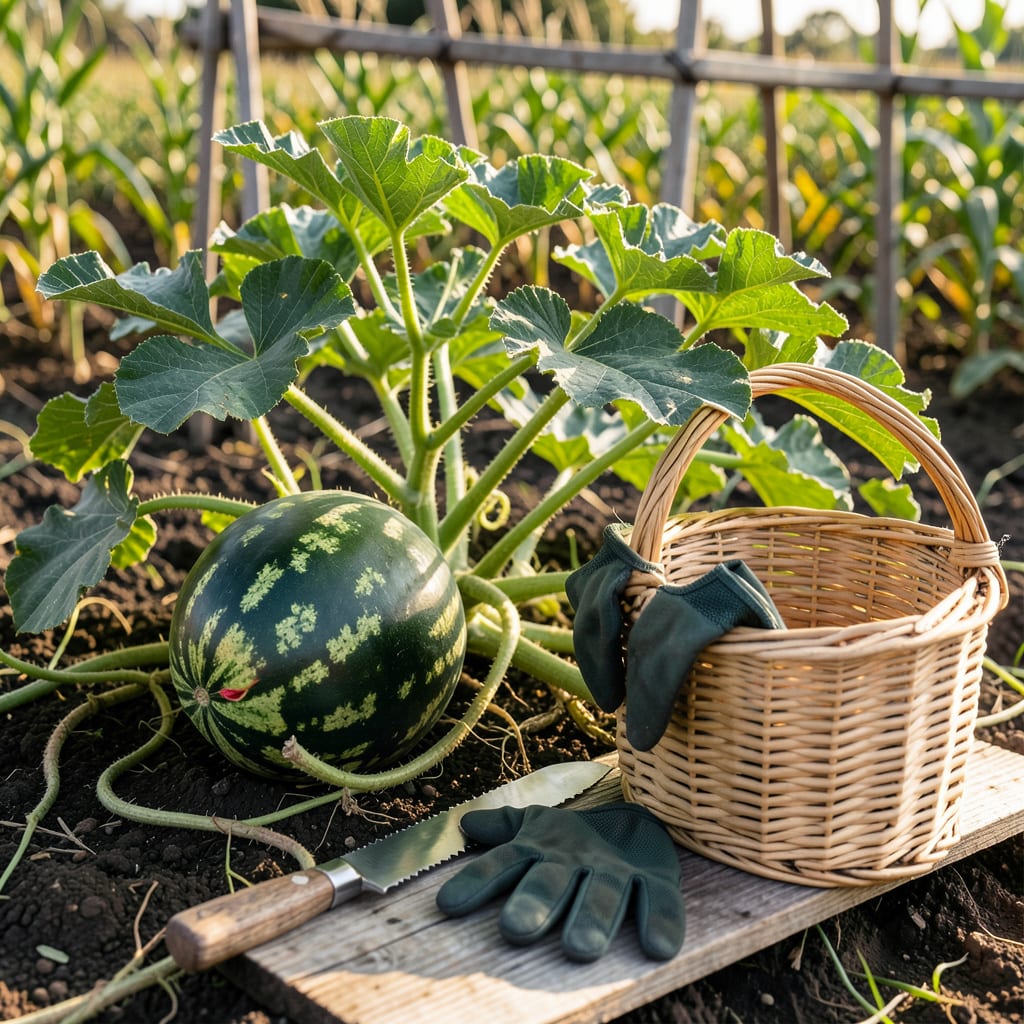
There’s nothing worse than cutting into a homegrown 🍉 watermelon only to find it underripe—or worse, overripe and mushy. After months of tending your vines, the last thing you want is a disappointing harvest.
I’ll show you the 5 foolproof signs that guarantee your watermelon is perfectly ripe and ready to pick. No more guessing games—just sweet, juicy results every time. Let’s get started.


After 70-90 days of nurturing your watermelon vines, the moment of truth arrives: determining when to harvest. Unlike some fruits, watermelons won’t ripen further once picked, so precision is key. I’ve spent years perfecting these techniques, and I’ll share the five most reliable indicators to guarantee sweet, juicy results.
Begin with the ground spot—the area where the melon touches the soil. When ripe, this spot shifts from white to a buttery yellow or orange. Next, inspect the tendrils (those curly vine parts near the stem). Once they turn brown and crispy, your watermelon is nearing readiness. But we’re just getting started.
| Ripeness Sign | What to Look For | Why It Matters |
|---|---|---|
| Ground Spot | Creamy yellow or orange | Sugar accumulation indicator |
| Tendril Drying | Brown, brittle tendrils | Vine stops nutrient flow |
| Rind Texture | Dull, matte appearance | Chlorophyll breakdown |
| Stem Separation | Easily detaches with twist | Natural abscission layer forms |
| Thump Test | Deep, resonant sound | Internal structure maturity |
Pro Tip: Always check at least 3 signs for accuracy! 🌱
The thump test is legendary, but it’s often misunderstood. Tap the melon with your knuckles and listen for a deep, hollow echo—like a bass note. An unripe melon sounds metallic, while an overripe one may thud dully. I recommend practicing on a few melons to train your ear for the perfect pitch.
Pay attention to the stem connection. A ripe watermelon will separate from the vine with minimal effort—a gentle twist should do it. If you’re wrestling with the stem, it’s not ready. For seedless varieties, the stem might stay green longer, so lean on the ground spot and thump test instead.
Size and weight are often overlooked but crucial. Most watermelons reach 6-8 inches in diameter when mature. Lift it—it should feel heavy for its size, a sign of high water content. Compare it to your variety’s average weight (e.g., 15-20 lbs for standard types).
The rind’s texture is another giveaway. Run your fingers over the surface—it should feel slightly rough and matte, not glossy. This dullness indicates chlorophyll breakdown, a key ripeness marker. If the rind still shines, it needs more time.
For the best flavor, harvest in the early morning when sugars are most concentrated. Use a sharp knife or pruners to cut the stem, leaving 1-2 inches attached to prevent rot. Now, you’re ready to enjoy that crisp, sweet reward of your labor! 🍉
Remember, variety matters. Seedless watermelons often have subtler signs, while heirlooms might show more dramatic color changes. When in doubt, cross-check multiple indicators—your taste buds will thank you later. 🌿
After 70-90 days of watching your watermelon vines sprawl, the real challenge begins: knowing exactly when to harvest. Unlike tomatoes or peppers, watermelons don’t keep ripening after picking, so timing is everything. I’ll walk you through the five most reliable signs—no folklore, just science-backed methods.
Start by examining the ground spot where the melon rests on the soil. This area turns from white to a creamy yellow when ripe. Next, check the tendrils (those curly vine parts near the stem). When they turn brown and dry, your watermelon is likely ready. But don’t stop there—we’ve got more foolproof checks ahead.
| Ripeness Sign | What to Look For | Why It Matters |
|---|---|---|
| Ground Spot | Yellow or orange hue | Indicates sugar development |
| Tendril Drying | Brown, crispy tendrils | Vine stops feeding the fruit |
| Rind Texture | Dull, matte finish | Chlorophyll breaks down |
| Stem Separation | Stem detaches easily | Natural abscission layer forms |
| Thump Test | Deep, hollow sound | Indicates internal structure |
Tip: Check multiple signs—never rely on just one!
The thump test is famous for a reason, but many gardeners do it wrong. Tap the melon with your knuckles—listen for a deep, hollow sound (like a bass drum). An unripe melon will sound metallic, while an overripe one may sound flat. Practice on a few melons to train your ear.
Don’t overlook the stem connection. A ripe watermelon will detach from the vine with a gentle twist. If you have to tug hard, it’s not ready. For seedless varieties, the stem may stay green longer, so prioritize the ground spot and thump test instead.
Finally, consider the size and weight. Most watermelons reach 6-8 inches in diameter when mature. Lift it—it should feel heavy for its size, indicating high water content. Compare it to the average weight for your variety (e.g., 15-20 lbs for standard types).
Remember, morning harvesting yields the sweetest flavor, as sugars are most concentrated after cool nights. Use a sharp knife or pruners to cut the stem cleanly, leaving 1-2 inches attached to prevent rot. Now you’re ready for that perfect, juicy slice! 🍉
Not all watermelons ripen the same way—variety matters when it comes to harvest timing. While the classic signs (ground spot, tendrils, thump test) apply to most, some types have unique cues. I’ve grown everything from seedless hybrids to heirloom giants, and each requires slight adjustments.
For example, seedless watermelons often have subtler ground spots and may not detach as easily from the vine. Their tendrils might stay green longer, so I rely more on the thump test and rind texture. Meanwhile, heirloom varieties like ‘Moon and Stars’ develop dramatic color contrasts when ripe.
| Variety | Key Ripeness Sign | Harvest Window |
|---|---|---|
| Seedless | Dull rind + deep thump | 75-85 days |
| Heirloom | Dramatic ground spot | 80-90 days |
| Icebox | Stem slips easily | 70-80 days |
| Yellow-Fleshed | Bright yellow ground spot | 85-95 days |
| Mini | Size + weight (3-5 lbs) | 65-75 days |
Note: Always cross-check 2-3 signs for accuracy! 🌱
Icebox watermelons (small, round types) often ripen faster and may slip from the vine prematurely. I check their size first—they’re ready when they reach 3-5 inches in diameter. For yellow-fleshed varieties, the ground spot turns a brighter yellow than red-fleshed types.
If you’re growing mini watermelons (like ‘Sugar Baby’), focus on weight and size rather than thump tests. They should feel heavy for their compact size and develop a matte rind. Heirlooms often have thicker rinds, so the thump test may sound slightly different—practice makes perfect!
Pro tip: Track your planting date and note the days to maturity for your variety. Combine this with the visual cues, and you’ll nail the harvest every time. When in doubt, pick one test melon first—it’s better to learn from one than to lose an entire crop! 🍉
A perfectly ripe watermelon produces a deep, hollow echo when tapped. Think of it like a bass drum sound. If it sounds metallic or high-pitched, it needs more time. Practice on a few melons to train your ear for the ideal pitch.
Most watermelons reach full ripeness 30-40 days after flowering, with total growth time averaging 70-90 days from planting. Seedless varieties may mature slightly faster, while heirlooms can take up to 90 days. Track your planting date for best results.
No, watermelons won’t ripen further after picking. Unlike tomatoes or avocados, they don’t continue developing sugars or softening off the vine. Always wait for full ripeness before harvesting to ensure sweet, juicy flavor.
White streaks (called “white heart”) occur when melons grow too quickly due to excessive rain or overwatering. This doesn’t affect flavor but indicates uneven ripening. Consistent watering and proper spacing help prevent this issue.
Harvest in the early morning when sugars are most concentrated from the cool night. Use sharp pruners to leave 1-2 inches of stem attached. Avoid midday harvesting when plants are stressed from heat.
