
Beautiful Plants For Your Interior
Beautiful Plants For Your Interior
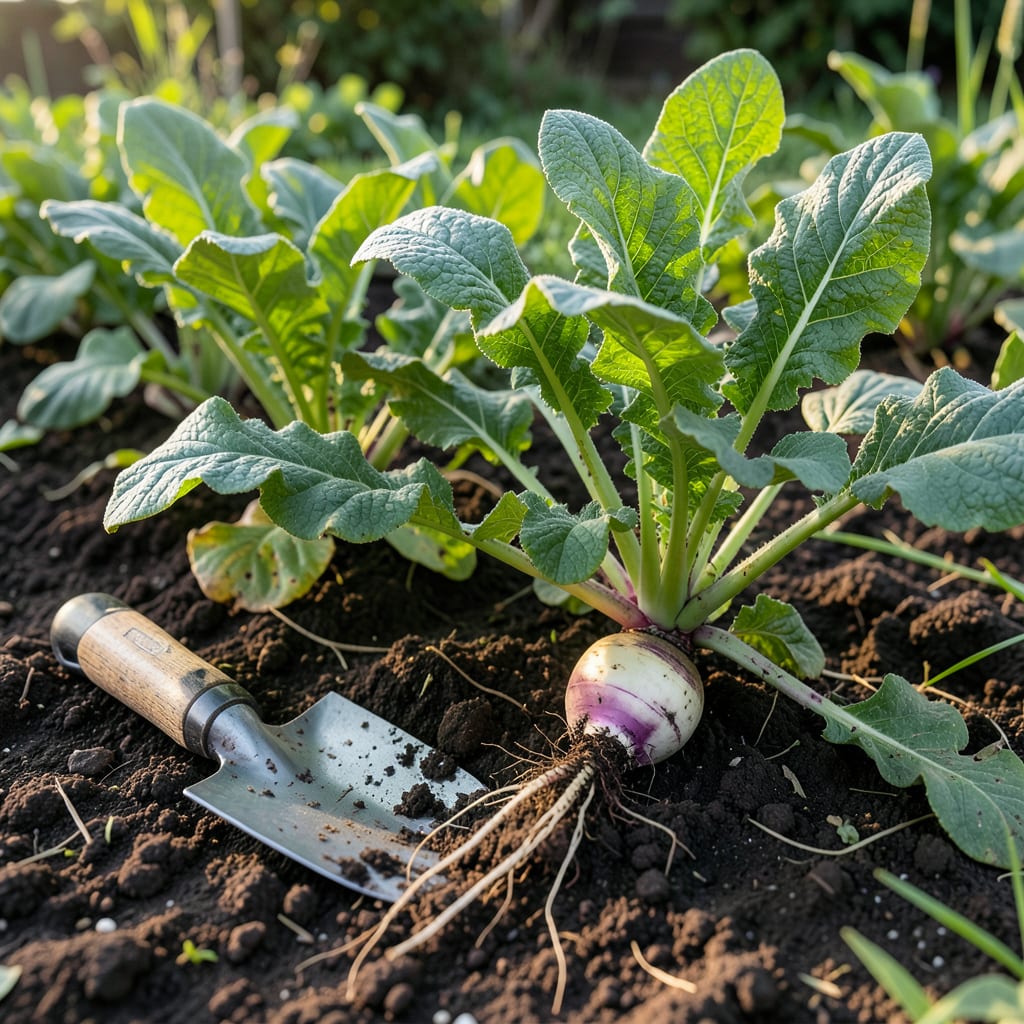
Nothing beats the satisfaction of pulling up a perfectly ripe 🥬 Turnip from your garden. But how do you know it’s ready? Timing is everything with this spring crop.
I’ve learned the key is watching for subtle visual cues that signal peak maturity. Get it right, and you’ll enjoy sweet, tender roots every time.


I always check for the root diameter first when my turnips are nearing maturity. The ideal size is between 2 to 3 inches across, which usually happens about 50 to 70 days after planting. Anything smaller and they’re not quite ready. 🌱
Another surefire sign is when the shoulders of the roots start peeking above the soil line. This makes it easy to gauge their size without digging. The skin should look smooth and firm, not soft or spongy. 🌿
| Sign | Description |
|---|---|
| Root Diameter | 2-3 inches ideal size |
| Shoulder Visibility | Protruding above soil line |
| Skin Texture | Smooth and firm to touch |
| Leaf Condition | May begin to yellow or wilt |
For spring-planted turnips, I watch for these signs around late May to early June. Fall crops often mature a bit faster due to cooler temperatures, so start checking around 45 to 50 days after sowing. The cooler weather can also enhance sweetness. ✂️
The leaf condition can also give you clues. While vibrant green leaves are normal during growth, when they start to yellow slightly or look less vigorous, it’s often a sign the plant is diverting energy to root development. This is your cue to check the roots.
Don’t wait too long, though. Overmature turnips can become woody and bitter. If you notice the roots growing beyond 3 inches, it’s time to harvest immediately. The skin might also start to crack if left in the ground too long.
For baby turnips, you can harvest as early as 30 days when they’re about 1 inch in diameter. These are perfect for fresh eating. Larger varieties meant for storage can stay in the ground a bit longer, but always before they exceed 4 inches.
I’ve found that gentle soil brushing can help expose the shoulders for a better view. Just be careful not to damage the roots or disturb the plant too much. A light touch is all you need to assess readiness.
Remember that variety matters. Some turnip types mature faster than others. Check your seed packet for specific days to maturity information. This can range from 30 to 70 days depending on the cultivar.
Finally, trust your sense of touch. Gently feel the root through the soil. If it feels firm and solid, it’s likely ready. Soft or spongy roots need more time. Harvesting at the right moment ensures the best flavor and texture for your turnips. 🪴
I never pull up a turnip without checking its readiness first. One of my go-to methods is gentle soil brushing to expose the root shoulders. This lets me see the size and color without disturbing the plant too much. 🌱
Another trick is to feel the root through the soil. A mature turnip will feel firm and solid when pressed lightly. If it feels soft or spongy, it needs more time in the ground.
The sample harvest technique is one of my favorites. I carefully pull up just one plant to check its size and texture. If it meets my standards, I know the rest are ready to go. This saves me from harvesting an entire crop too early. 🌿
When using the touch method, I look for roots that feel dense and smooth. If the skin feels rough or cracked, it might be overmature. For spring crops, I start testing around 50 days after planting.
For fall turnips, the cooler temperatures can speed up maturity. I begin checking at about 45 days. The cold can also make the roots sweeter, so I don’t mind leaving them a bit longer if the weather is mild.
I always
I’ve seen many gardeners wait too long to harvest their turnips, resulting in woody, bitter roots. Once they exceed 3 inches in diameter, the texture changes dramatically. The skin may also start to crack or split in the ground. 🌱
On the flip side, harvesting too early gives you undersized turnips that lack flavor. If the roots are still under 1 inch, they need more time. The leaves will stay vibrant green when the plant isn’t ready.
Waiting Too Long: Leads to woody texture and bitter flavor
Harvesting Too Early: Results in small, underdeveloped roots
Ignoring Weather: Heat stress can cause bitterness, while light frost enhances sweetness
Another common mistake is ignoring weather impact. A light frost can actually sweeten turnips, while heat waves make them bitter. I always check the forecast and adjust my harvest timing accordingly. ☀️
Many gardeners also overlook variety-specific timelines. Some turnips mature in 30 days, while others need 70 days. Always check your seed packet for the exact days to maturity for your variety.
Finally, inconsistent watering can lead to uneven growth. Turnips need 1 inch of water per week for best results. Too little water causes stunted growth, while too much can lead to cracked roots. 💧
Ideal turnips measure 2 to 3 inches in diameter. Anything smaller may lack flavor, while larger roots risk becoming woody.
A light frost actually sweetens turnips. Harvest immediately after for best flavor, but don’t wait if hard freeze is coming.
Cracking usually means they’re overmature or received uneven watering. Harvest at 2-3 inches to prevent this.
Gently brush soil from the shoulders to inspect size, or feel the root through soil for firmness.
