
Beautiful Plants For Your Interior
Beautiful Plants For Your Interior
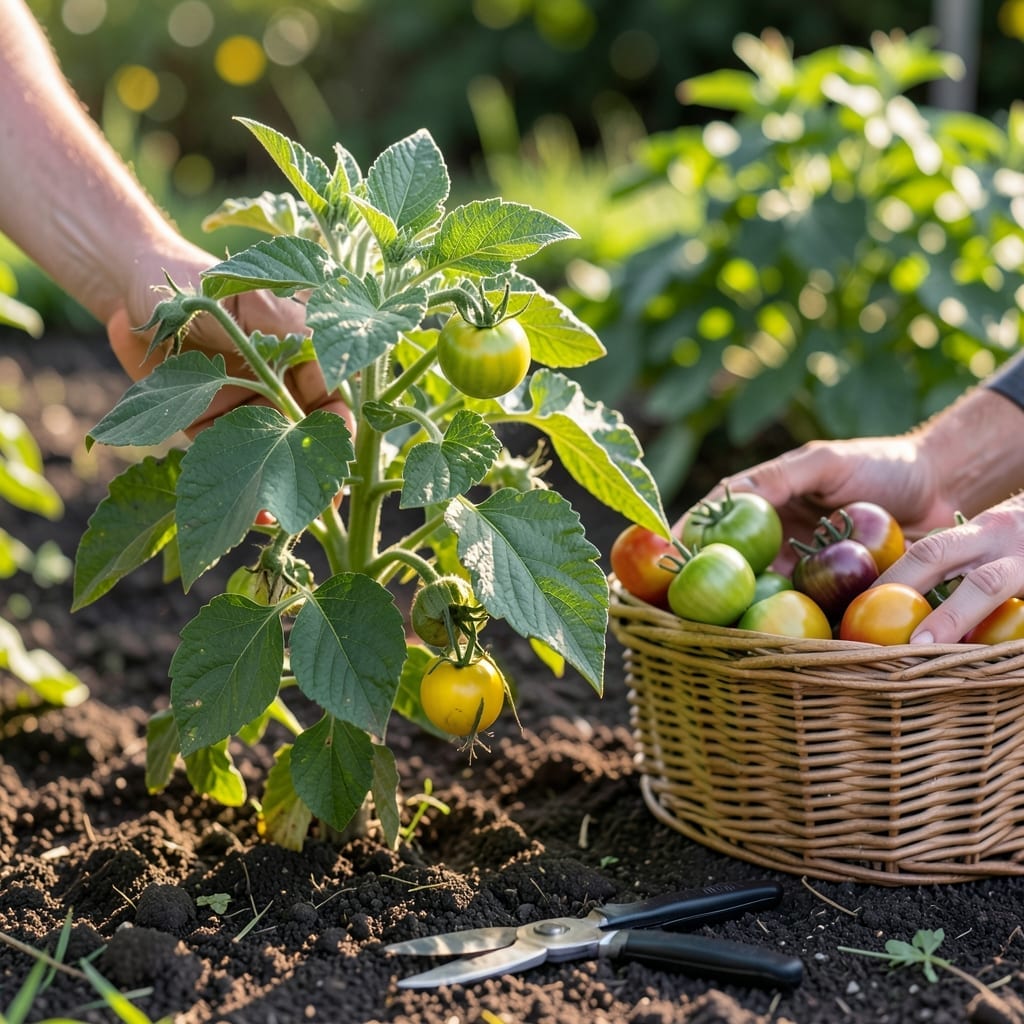
Picking tomatillos at the perfect stage of ripeness ensures the best flavor for salsas, sauces, and fresh dishes. Unlike tomatoes, their papery husk makes it tricky to judge ripeness at a glance.
I’ve learned the key is looking beyond the husk to spot subtle changes in color and texture. The 🍅 Tomatillo gives clear signals when it’s ready, but you need to know what to watch for.
Discover how to read these signs and harvest at just the right moment for peak taste and quality.


Knowing when to pick tomatillos starts with observing the husk. As the fruit matures, the papery covering transitions from bright green to a tan or brown shade. This is your first visual cue that the fruit inside is nearing ripeness.
The husk will also begin to split open, revealing the fruit inside. This splitting is a clear sign that the tomatillo is expanding and filling out its shell. Without this, the fruit may still be underdeveloped. 🌱
| Sign | Description |
|---|---|
| Husk Color | Turns from green to tan/brown |
| Husk Split | Opens to reveal fruit |
| Fruit Color | Yellow, purple, or red depending on variety |
| Fruit Size | Fills the husk completely |
| Fruit Texture | Feels slightly soft to touch |
Another key indicator is the fruit color. Green tomatillos often turn yellow, purple, or even red when ripe, depending on the variety. For example, the ‘Pineapple’ variety turns yellow, while ‘Purple’ tomatillos develop a deep, rich hue.
I always check that the fruit fills the husk completely. If the husk is still tight and green, the tomatillo isn’t ready. But once the fruit feels plump and firm inside its shell, it’s a good sign of maturity. ☀️
Don’t overlook the texture of the fruit itself. A ripe tomatillo should feel slightly soft when gently squeezed, but not mushy. If it’s still hard as a rock, it needs more time on the vine.
The husk’s condition can also tell you a lot. If it’s dry and brittle, the fruit might be overripe. Ideally, the husk should be partially open with some green remaining at the base. 🌿
For the best flavor, I harvest tomatillos when they’re at the peak of their color change. This is when the sugar content is highest, and the fruit is most flavorful. If you wait too long, the tomatillo can become too soft and lose its tangy taste.
If you’re growing multiple varieties, keep a harvest journal. Note the color and husk changes for each type. This helps you fine-tune your timing for future harvests and ensures you pick every tomatillo at its best. ✂️
Finally, always check the plant for other signs of maturity. Healthy tomatillo plants with vibrant leaves and strong stems are more likely to produce ripe, flavorful fruit. If the plant looks stressed, the fruit may not develop properly.
Beyond visual cues, the touch test is one of my most reliable methods. Gently squeeze the tomatillo inside its husk—if it gives slightly, it’s likely ripe. A rock-hard fruit needs more time on the vine.
The sound test is another trick I swear by. Tap the fruit lightly with your knuckle. A ripe tomatillo will produce a hollow sound, like tapping a watermelon. If it sounds solid, it’s not ready yet. 🌱
I always check the husk texture too. A ripe tomatillo’s husk should feel dry and papery, not green and supple. If the husk is still moist, the fruit inside hasn’t reached its peak.
For the squeeze test, use your thumb and forefinger to press the fruit through the husk. It should have a springy resistance. If it feels mushy, it’s likely overripe and may have passed its prime.
The sound test works best on larger tomatillos. Smaller fruits may not produce as clear a hollow sound, so rely more on touch and color for those. I find this method especially useful for the ‘Roma Verde’ variety. ☀️
Remember, these tests work best when combined with visual signs. A tomatillo that looks ripe but feels rock-hard isn’t ready. Trust your senses—look, feel, and listen for the best results.