
Beautiful Plants For Your Interior
Beautiful Plants For Your Interior
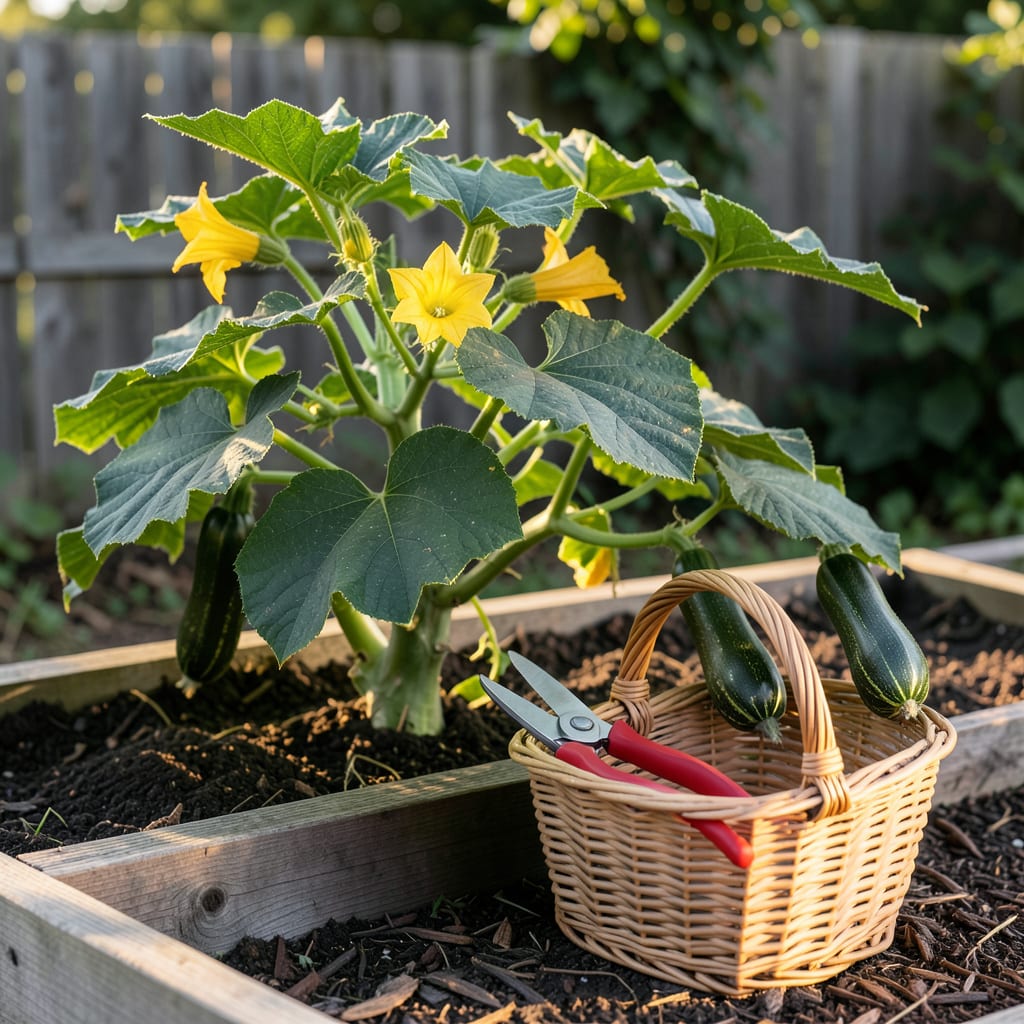
There’s nothing worse than watching your carefully tended 🥒 zucchini transform from tender delights into oversized, seedy baseball bats overnight. That perfect harvest window is narrower than you think—and missing it means sacrificing flavor, texture, and your plant’s future productivity.
I’ve seen gardeners make the same costly mistakes season after season, but the good news? Learning to spot the 6 key signs of readiness takes less than 5 minutes to master. Let me show you exactly what to look for so you’ll never second-guess your zucchini harvest again.


Timing your zucchini harvest isn’t just about size—it’s about texture, color, and plant signals that most gardeners overlook. I’ve watched beginners grab the first green squash they see, only to end up with bitter, watery results. The secret lies in these 6 foolproof indicators that guarantee perfect tenderness every time.
Remember that zucchini grows incredibly fast—sometimes adding an inch overnight during peak season. That’s why I recommend checking plants daily in summer and harvesting in the cool morning hours when the fruit is most crisp. Let’s break down exactly what to look for when inspecting your zucchini.
6-8 inches long and 1.5-2 inches wide is ideal. Anything larger becomes seedy and tough.
Run your fingernail gently across the skin. It should resist slightly but not feel hard or leathery.
Look for deep, uniform green (or golden for yellow varieties). Pale or dull skin means it’s not ready.
The stem should be firm and green, not dried out or brown. A woody stem means it’s overripe.
The blossom end should be slightly wilted but still attached. Fresh flowers mean it’s too young.
It should feel heavy for its size. Lightweight zucchini are either underripe or suffering from poor watering.
One trick I swear by is the “thumbnail test”. Gently press your thumbnail into the skin—if it leaves a slight indentation that springs back, you’re in the sweet spot. No mark means it’s too young; a permanent dent signals it’s past prime. This simple test works better than any size measurement alone.
Pay special attention to the blossom end (the bottom where the flower was). This area should feel slightly soft when gently pressed, while the rest of the zucchini remains firm. If the entire fruit feels rock-hard, you’ve waited too long and the seeds inside have become large and tough.
I always tell new gardeners to harvest zucchini in the morning when the plants are most hydrated. The fruit will be crispest then, and the cooler temperatures reduce stress on the plant. Use clean pruning shears or a sharp knife to cut the stem about 1 inch above the fruit—never yank or twist, as this can damage the plant.
Don’t forget that zucchini plants produce male and female flowers, and only the female flowers develop into fruit. If you see a tiny zucchini that stops growing, it was likely a male flower that fell off—completely normal! Focus your attention on the fruits that continue growing after the flower wilts.
During peak season (usually July-August), I make it a habit to check my plants every 24 hours. Zucchini can grow from perfect to overripe in just 2-3 days during hot weather. Set a phone reminder if you need to—missing that ideal window means tougher skin and larger seeds that ruin the eating experience.
If you accidentally let one grow too large, don’t despair! Overgrown zucchini can be peeled and grated for baking, or the seeds can be scooped out and roasted like pumpkin seeds. But for the best eating quality, stick to that 6-8 inch range and you’ll enjoy the most tender, flavorful zucchini your garden can produce. 🪴
Remember that regular harvesting actually encourages more production. The more you pick, the more your plant will produce new flowers and fruit. I’ve had plants yield 20+ zucchini in a season simply by staying on top of harvesting and providing consistent water and fertilizer. 💧
Timing your zucchini harvest isn’t just about getting the best flavor—it directly impacts your plant’s health and future production. I’ve seen gardeners make the same mistakes year after year, not realizing how much they’re sacrificing by harvesting at the wrong time. Let’s look at what really happens when you pick too soon or wait too long.
When you harvest zucchini too early, you’re not just getting a smaller yield—you’re missing out on the full development of sugars and nutrients. Those tiny zucchini might look cute, but they’ll be watery, bland, and lacking in the rich flavor that makes garden-fresh produce so special. The plant also wastes energy producing flowers that won’t mature into usable fruit.
On the other hand, waiting too long to harvest creates a whole different set of problems. Those giant zucchini might look impressive, but they’re actually stealing energy from the rest of your plant. The plant puts all its resources into developing those oversized seeds, which means fewer new flowers and less overall production for your garden.
The texture changes dramatically as zucchini overmatures. What should be tender and crisp becomes spongy and fibrous. The seeds grow large and hard, making the flesh bitter. I’ve found that zucchini left too long can even develop a woody core that’s inedible. This is why commercial growers harvest at the perfect stage—it’s not just about size, but about quality.
There’s also a hidden cost to late harvesting that many gardeners don’t consider: pest attraction. Overripe zucchini are magnets for squash bugs, cucumber beetles, and even rodents. I’ve lost entire plants to infestations that started with just one neglected, overgrown zucchini. Regular harvesting keeps your plants healthier and less vulnerable to attacks.
If you do end up with overgrown zucchini, don’t toss them! While they’re not ideal for fresh eating, they’re perfect for grating and freezing for baked goods, or you can scoop out the seeds and use the flesh for soups. The seeds themselves can be roasted like pumpkin seeds. But for the best eating experience, stick to that 6-8 inch sweet spot we discussed earlier. 🪴
Remember that every zucchini left on the vine sends a signal to your plant. When you harvest at the right time, you’re telling the plant to produce more flowers. When you leave fruit too long, the plant thinks its job is done and slows down production. I’ve had plants that produced continuously for 8-10 weeks simply by staying on top of harvesting at the optimal stage.
Understanding when to pick zucchini isn’t just about watching individual fruits—it’s about recognizing how your plant’s growth stage and the seasonal conditions affect maturity. I’ve found that zucchini harvesting follows a predictable pattern from early summer through fall, but weather and planting methods can shift these windows significantly.
Most zucchini varieties reach harvest readiness in 45-55 days after planting, but this can vary based on your climate and care. In my garden, I start seeing harvestable fruit in early July, with peak production hitting in mid-to-late summer. The key is checking plants frequently during this period, as zucchini can go from perfect to overripe in just a couple of days during hot weather.
| Growth Stage | Timeframe | Harvest Frequency | Key Action |
|---|---|---|---|
| Early Summer | June – Early July | Every 3-4 days | Watch for first fruits, check size daily |
| Peak Season | July – August | Daily checks | Harvest at 6-8 inches, morning is best |
| Late Summer | September | Every 2-3 days | Watch for slower growth, check stems |
| Early Fall | October (before frost) | Every 4-5 days | Harvest all mature fruit before cold |
Container-grown zucchini often mature 5-7 days faster than their in-ground counterparts because the roots experience more consistent warmth. I’ve noticed this difference in my own garden, where potted plants frequently produce harvestable fruit a full week ahead of those planted directly in the soil. Keep this in mind if you’re growing in containers—start checking for readiness around day 40 after planting.
Weather plays a huge role in zucchini maturation. During heat waves (temperatures above 90°F), your zucchini may need harvesting every 24 hours to catch them at peak tenderness. Cooler periods slow growth, giving you a slightly longer window. I always adjust my harvesting schedule based on the weekly forecast, checking more frequently when hot weather is predicted.
The end of season requires special attention. As days shorten in fall, zucchini growth slows dramatically. I make it a point to harvest all mature fruit before the first frost, even if they’re slightly underripe. A light frost won’t kill zucchini plants immediately, but it will damage the fruit. Use the thumbnail test we discussed earlier to determine if smaller zucchini are worth picking before cold weather hits. 🌱
During July-August, check your plants daily—zucchini can grow from perfect to overripe in just 24-48 hours in hot weather. Morning checks are best when fruit is most crisp. Set phone reminders if needed!
While you can, it’s not ideal. Under 5 inches, zucchini lacks full flavor and nutrients. Wait until it reaches 6-8 inches for best texture and taste. Tiny ones are better left to mature.
Early morning is ideal when plants are most hydrated. The fruit will be crispest, and cooler temps reduce plant stress. Always use clean pruning shears to cut stems about 1 inch above the fruit.
Overripe zucchini becomes dull-colored, with tough skin that resists thumbnail pressure. The stem turns woody, and seeds grow large. If it feels heavy but the skin is hard, it’s past prime.
Regular harvesting signals the plant to produce more flowers. I’ve had plants yield 20+ zucchini in a season by staying on top of picking. The more you harvest, the more you’ll get!
