
Beautiful Plants For Your Interior
Beautiful Plants For Your Interior
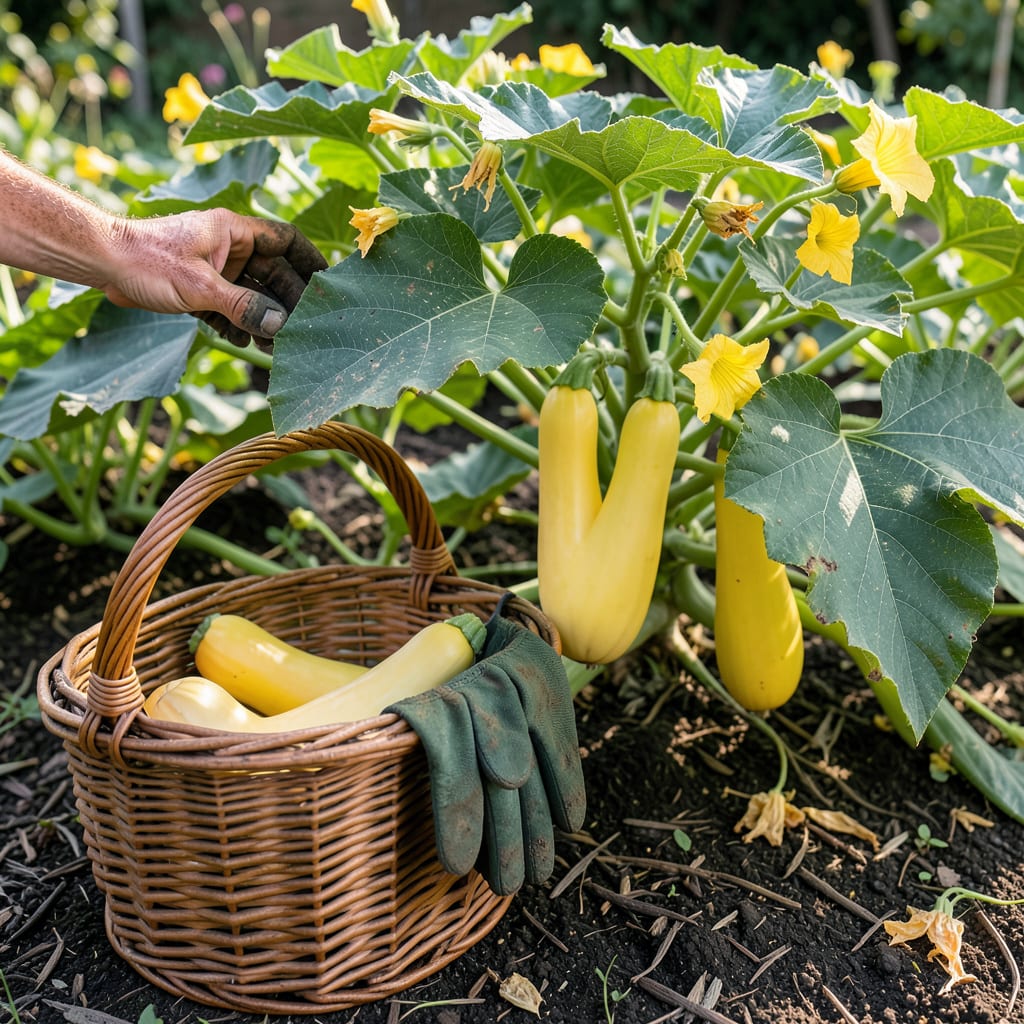
That moment when your 🎃 Yellow Squash looks ready—but is it really? Picking too soon means bland flavor, while waiting too long turns it into a tough, seedy disappointment. The difference between perfect and problematic often comes down to three simple checks most gardeners miss.
I’ve ruined my fair share of squash by guessing wrong, but once I learned the size-skin-stem test, my harvests became consistently sweet and tender. Let me show you exactly what to look for—so you’ll never second-guess that picking moment again.


I’ve found that yellow squash sends clear signals when it’s ready to pick—you just need to know what to look for. The perfect harvest window is surprisingly brief, often just 2-3 days, so checking your plants daily is crucial during peak season.
Most gardeners make the mistake of waiting for giant squash, but bigger isn’t better with these tender veggies. The ideal size is actually 6-8 inches long—that’s when the flavor and texture are at their peak. Let me show you exactly what to examine.
| Ripeness Sign | Ready to Harvest | Not Ready Yet |
|---|---|---|
| Size | 6-8 inches long ✅ | Under 4 inches 📏 |
| Skin Texture | Tender (pierces with fingernail) 💅 | Hard as a rock 🔨 |
| Color | Bright, glossy yellow 🎨 | Dull or pale yellow 🟡 |
| Stem Condition | Green and flexible 💪 | Dry or woody |
*Check squash every 1-2 days during peak season—they grow fast!
The skin shine test is my favorite trick. Run your fingers over the squash—when it’s ready, the surface will have a slightly glossy appearance, almost like it’s been polished. This gloss indicates the sugars are developing properly inside the fruit.
Don’t overlook the stem connection. A ripe squash will have a stem that’s still green and supple, not dried out. If you see the stem turning brown or getting woody, that’s a sign you’ve waited too long. The stem should snap cleanly when you bend it slightly.
I always carry a small pruner or sharp knife when harvesting to make clean cuts. Never twist or pull the squash—this can damage the plant. Cut the stem about 1 inch above the squash to prevent rot during storage.
Here’s a pro tip: Harvest in the morning when the squash is most hydrated. The cooler temperatures mean the fruit will be firmer and less likely to bruise. Plus, morning-picked squash stays fresh longer in your kitchen.
Remember that frequent harvesting actually encourages your plant to produce more. I aim to check my plants every other day during peak season. If you leave overripe squash on the vine, the plant will put energy into seeds instead of making new fruit.
If you’re growing straightneck vs. crookneck varieties, the same rules apply. The neck shape doesn’t affect ripeness indicators—focus on the size, color, and skin texture we’ve discussed. Both types should feel heavy for their size when ready.
Finally, don’t worry if you accidentally pick one too early. Small squash can be used whole in stir-fries or grilled. But for that perfect tender-crisp texture, stick to our 6-8 inch rule and you’ll enjoy the best flavor every time.
When your yellow squash looks ready, the next step is the finger test—a simple way to confirm ripeness. Gently press your fingernail into the skin. If it leaves a slight indentation but springs back, you’ve hit the sweet spot. This method ensures you avoid underripe or overripe picks.
Underripe squash feels rock-hard and won’t dent, while overripe squash feels spongy or mushy. The ideal texture is firm yet slightly yielding. This test works best when combined with visual cues like size and color for foolproof harvesting.
⚠️ Warning: Avoid Bruising
Press the squash gently—don’t use your full strength. Too much pressure can bruise the skin or damage the stem, inviting pests or rot. Always test on the side of the squash, not the stem end.
I always recommend testing multiple squash on the same plant. Ripeness can vary even among fruits of similar size. If one passes the finger test but another doesn’t, harvest only the ready ones and revisit the others in a day or two.
Timing matters too. The best time to perform this test is in the early morning, when plants are hydrated and squash is at its firmest. Avoid testing during the heat of the day, as dehydration can give false results, making squash feel softer than it is.
If you’re still unsure, compare your squash to a ripe reference. Keep a photo of a perfectly ripe squash on your phone for quick comparison. Over time, you’ll develop an instinct for the right firmness, making the finger test second nature.
Remember, frequent harvesting encourages more production. Check your plants every 2-3 days during peak season. Yellow squash grows quickly, and missing the ideal window by even a day can lead to oversized, seedy fruit. Stay consistent, and you’ll enjoy tender squash all season.
Timing your yellow squash harvest perfectly ensures the best flavor and texture. Pick too soon, and you’ll end up with underdeveloped squash that lacks sweetness and tenderness. These small, immature fruits often feel rock-hard and have a dull, pale color. 🌱
On the other hand, waiting too long leads to overripe squash with tough skin, large seeds, and a bitter taste. I’ve seen gardeners lose entire plants because they let squash grow into baseball-bat-sized monsters, which drains energy from producing new fruit. ✂️
If you accidentally pick underripe squash, don’t toss it! Small squash can be sliced thinly for quick cooking or pickling. For overripe squash, scoop out the seeds and use the flesh in baked dishes or soups—it’s still edible, just less ideal raw. 🪴
One trick I swear by: Check the stem. A ripe squash has a green, flexible stem that snaps cleanly when bent. If the stem is dry or woody, the squash is past its prime. Also, glossy skin is a great indicator—dull skin usually means it’s either under or overripe. ☀️
Remember, yellow squash grows fast—what’s perfect today might be overgrown in just 48 hours. Make it a habit to inspect your plants daily during harvest season. Your taste buds (and your plant’s productivity) will thank you! 🌿
During peak season, inspect your plants every 2-3 days. Yellow squash grows incredibly fast—what’s perfect today might be overgrown in 48 hours. Frequent harvesting also encourages the plant to produce more fruit.
Yes, but it won’t be as flavorful. Squash under 4 inches is underripe and lacks sweetness. If you must pick early, use the small squash for quick cooking or pickling. For best results, wait until it reaches 6-8 inches for peak tenderness.
Harvest in the early morning when plants are hydrated and squash is firmest. Avoid midday heat, as dehydration can make squash feel softer than it is. Use clean pruners or a sharp knife to cut the stem, leaving 1 inch attached.
Store unwashed squash in a perforated plastic bag in the fridge for up to 5 days. For longer storage, blanch and freeze slices. Avoid washing until ready to use—moisture speeds up spoilage. Keep squash dry to maintain freshness.
Bitterness usually means the squash was overripe or stressed by inconsistent watering. Harvest at 6-8 inches and water plants 1-1.5 inches per week. If bitterness persists, try peeling the skin or cooking with spices to mask the flavor.
