
Beautiful Plants For Your Interior
Beautiful Plants For Your Interior
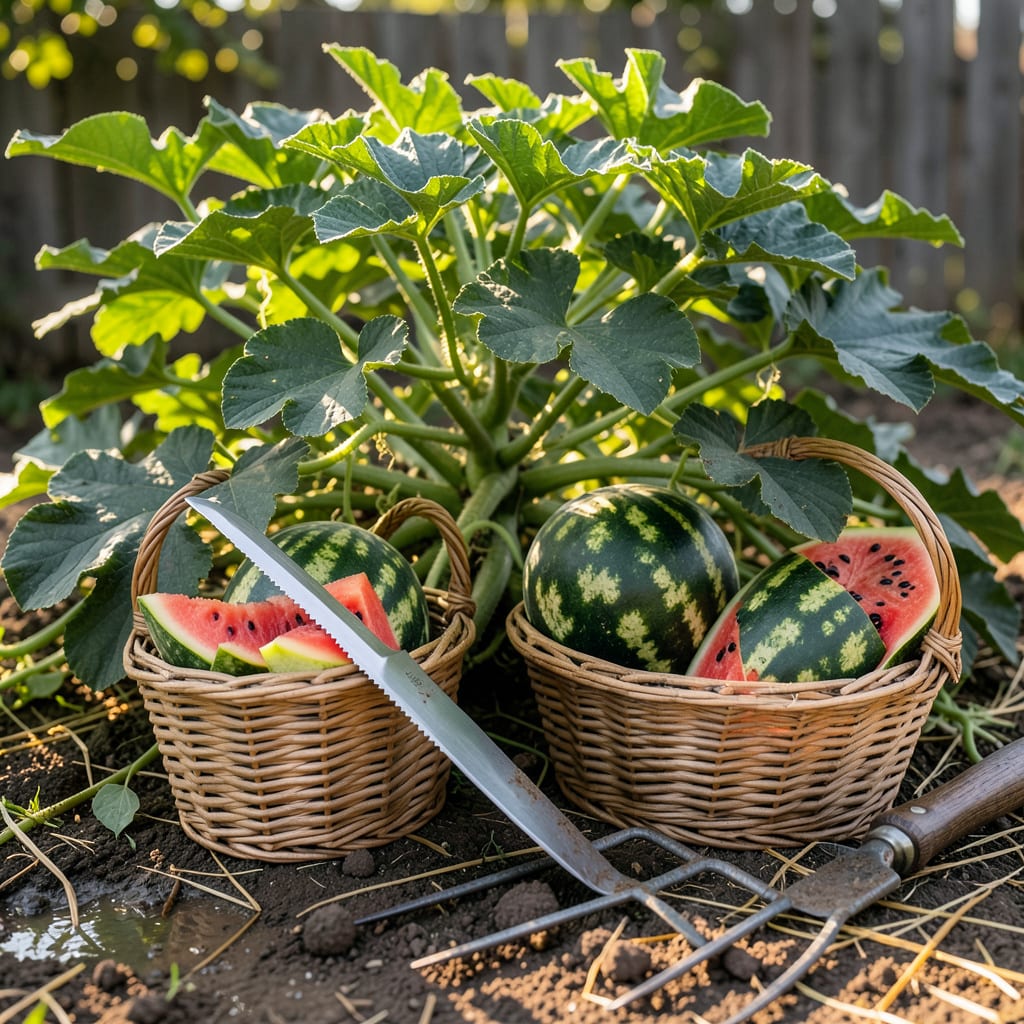
There’s nothing worse than cutting into a homegrown 🍉 watermelon only to find it underripe—or worse, overripe and mushy. That perfect balance of sweetness and crunch is all about timing, and I’ve learned the hard way that guessing just doesn’t cut it.
After years of testing (and a few disappointing harvests), I’ve narrowed down the five foolproof signs that tell you exactly when to pick. Whether you’re a first-time grower or just tired of hit-or-miss results, these simple tricks will save your summer fruit. Let’s get it right this time.


After months of tending your vines, the moment of truth arrives: is it time to harvest? Unlike store-bought melons, homegrown watermelons won’t ripen further once picked, so timing is everything. The good news? Your plant gives clear signals—if you know where to look.
I’ve found that relying on just one sign isn’t enough. A truly ripe watermelon passes multiple tests: the tendril check, ground spot color, rind texture, weight, and that classic “thump.” Let’s break down each one so you can harvest with confidence. 🍉
| Ripeness Sign | What to Look For | Why It Matters |
|---|---|---|
| Tendril Drying | The curly stem near the fruit turns brown and crispy | Signals the plant has stopped feeding the melon |
| Ground Spot | Creamy yellow or orange (not white/green) | Shows prolonged contact with soil (ripeness marker) |
| Rind Texture | Dull, matte finish (not glossy) | Indicates chlorophyll breakdown (sugar development) |
| Weight | Feels heavy for its size | High water content = peak juiciness |
| Thump Test | Dull, hollow sound when tapped | Air pocket formation inside ripe fruit |
The tendril test is my go-to first check. That little curlycue stem closest to the fruit should be completely brown and dry. If it’s still green or flexible, walk away—your melon needs more time. This is the plant’s way of saying, “I’m done feeding this one!”
Next, flip the melon gently to inspect the ground spot. This is where the fruit rests on the soil. A ripe watermelon will have a creamy yellow or orange patch (not white or pale green). The deeper the color, the longer it’s been ripening in the sun. Think of it as a natural “done” indicator. ☀️
Don’t skip the thump test, but do it right: use your knuckles to tap the melon’s side. A ripe one sounds like a dull thud (imagine tapping your chest). An underripe melon will sound metallic or high-pitched, while an overripe one may sound flat. Practice on a few to train your ear!
Finally, trust the weight and rind. A ready-to-pick watermelon should feel surprisingly heavy for its size (thanks to all that juicy goodness inside). The rind should lose its glossy sheen, turning dull and slightly rough—like a well-worn baseball. Combine all these signs, and you’ve got a winner. ✅
Not all watermelons play by the same rules when it comes to ripeness. I’ve learned the hard way that a Sugar Baby won’t behave like a Crimson Sweet, and ignoring these differences can lead to disappointing harvests. Each variety has its own timeline and subtle cues.
For example, smaller varieties like Sugar Baby (8-10 lbs) often ripen 10-14 days earlier than their larger cousins. Their rinds also tend to dull faster, so don’t wait for the same deep color change you’d expect from a Charleston Gray. Knowing your variety’s quirks is half the battle. 🌱
| Variety | Days to Maturity | Ripeness Clues | Size at Harvest |
|---|---|---|---|
| Sugar Baby | 75-80 days | Rind turns deep green, tendril dries fast | 8-10 lbs |
| Crimson Sweet | 80-85 days | Bright stripes fade slightly | 15-25 lbs |
| Moon & Stars | 90-100 days | Yellow spots intensify, rind roughens | 20-40 lbs |
| Charleston Gray | 85-95 days | Ground spot turns golden-orange | 25-35 lbs |
| Black Diamond | 85-90 days | Rind becomes dull black-green | 30-50 lbs |
Heirloom varieties like Moon & Stars are my favorite but require extra patience. Their unique yellow splotches actually darken as they ripen, which is your signal to start checking other signs. I mark my calendar for 10 days after the first tendril dries to avoid picking too early.
For striped varieties like Crimson Sweet, watch how the stripes change. As the melon ripens, the contrast between dark and light stripes softens slightly. It’s subtle, but once you notice it, you’ll spot it every time. Combine this with the thump test for best results. 🔊
Pro tip: If you’re growing multiple varieties, label each vine with the expected harvest date. I use colored garden stakes—red for early varieties, blue for late. This keeps me from second-guessing when that first Sugar Baby is ready while the Black Diamonds still need time. ✅
Most varieties need 30-50 days from flowering to full ripeness. Smaller types like Sugar Baby may mature in 30-35 days, while larger heirlooms can take 45-50 days. Start checking for ripeness signs once the fruit reaches full size.
It’s best to wait until the tendril is completely brown and crispy. A partially dry tendril means the melon is still receiving nutrients and developing sweetness. Picking too soon often results in underripe, less flavorful fruit.
This can happen if the melon experienced uneven watering or stress. The hollow sound might indicate internal air pockets, but the green tendril signals it’s not fully mature. Check other signs like ground spot color before deciding to harvest.
Size alone isn’t a reliable indicator. A melon can reach full size weeks before ripening. Always combine size with other signs like dull rind, dry tendril, and ground spot color for accurate timing. Avoid picking based on size alone.
Early morning is ideal, when temperatures are cool and the fruit is most hydrated. Use sharp pruners to cut the stem, leaving 1-2 inches attached. Avoid harvesting in hot afternoon sun to prevent stress on the plant.
